Puli vs Schapendoes
Side-by-side comparison across all 14 AKC trait ratings, with a clear verdict on which breed fits which kind of household.
Not sure which breed fits your life?
Answer five questions about your home, your schedule, and your tolerance for shedding. We’ll match you to your top three breeds from over 200.
Puli vs Schapendoes
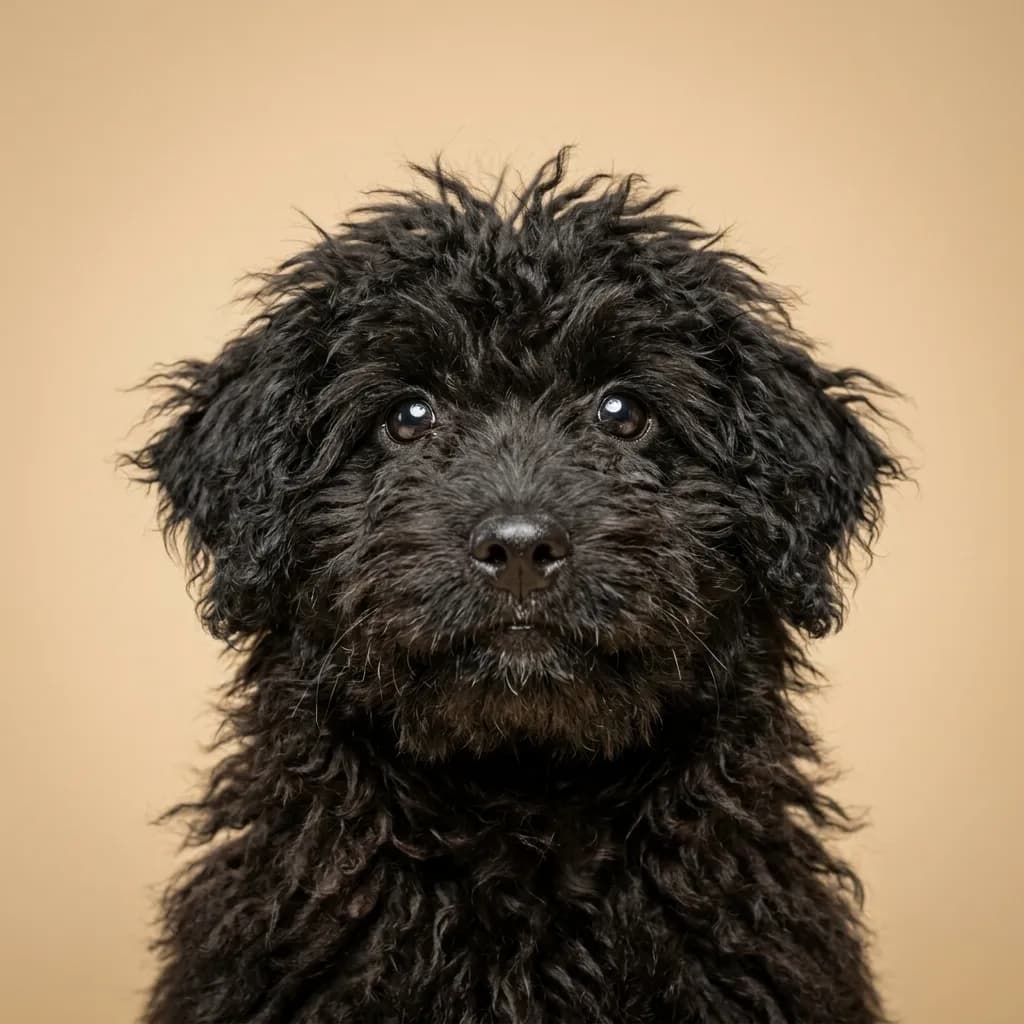
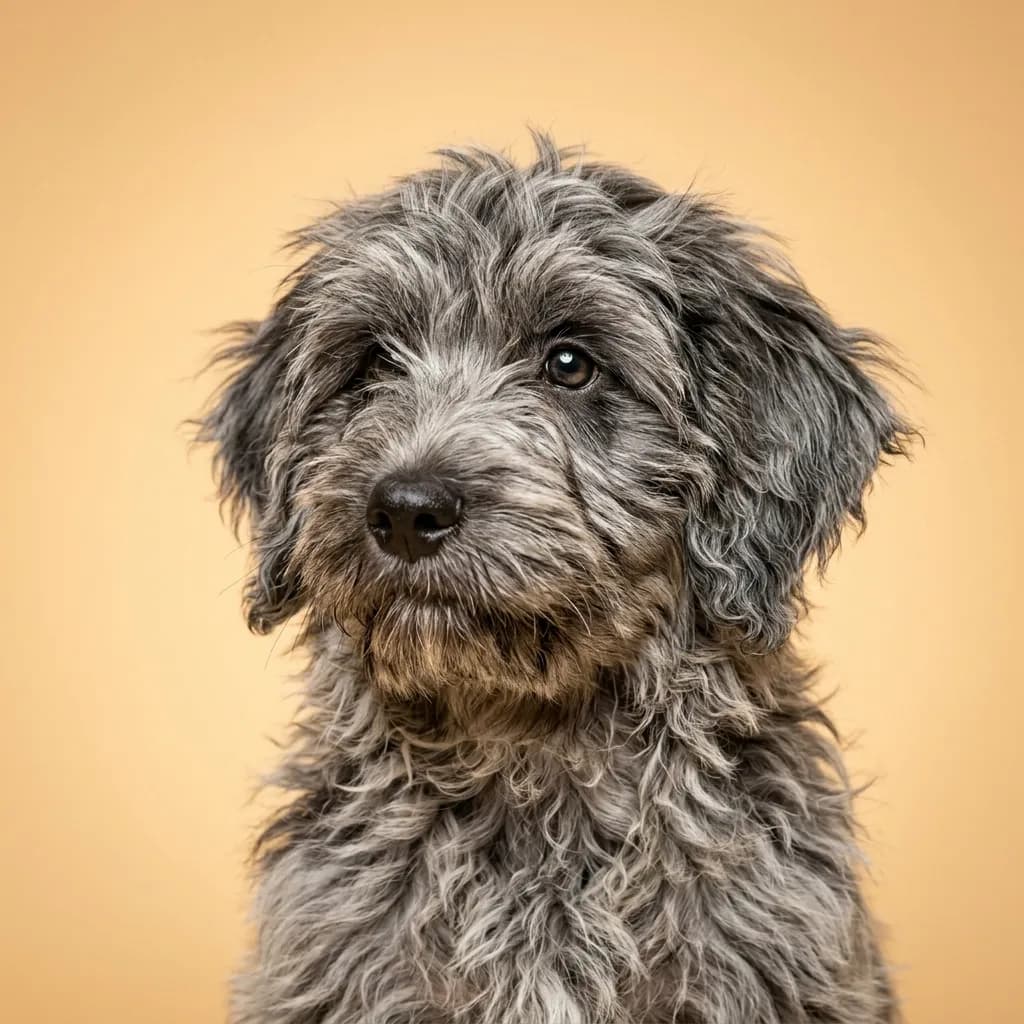
People compare the Puli and Schapendoes because they both look like walking cotton balls with eyes, and let’s be honest, that mop-top silhouette turns heads. Both are herding breeds with bouncy energy and brains to burn, so if you’re drawn to one, you’ll probably notice the other. But beneath the fluff, they’re built for different rhythms of life. The Puli is your intense little shadow. At 25 to 35 pounds, they’re compact, deeply loyal, and wired with a 5/5 trainability and mental stimulation need. They bond tightly with their family and thrive when they have a job—whether it’s advanced obedience, herding trials, or puzzle toys that make them think. Their corded coat isn’t just high-maintenance, it’s a lifelong project. You’re not just grooming a dog—you’re maintaining a living sculpture. And while they’re affectionate, their 3/5 kid rating means they’d rather work beside you than be hugged by toddlers. The Schapendoes is the livelier, louder cousin. They can be nearly twice the size, up to 55 pounds, with a springier step and a coat that’s shaggy, not corded—still high upkeep, but easier to manage than cords. Bred to cover ground herding sheep across Dutch moors, they’ve got more physical drive (4/5 energy) and a bouncier temperament. They’re just as smart but need space and variety. A backyard isn’t enough; they want trails, sports, or open fields. If you’re detail-oriented, home-focused, and want a sharp, compact partner, the Puli might be your match. If you’re into dog sports, love a big, goofy personality, and have room to run, go Schapendoes. Here’s the real talk: neither of these breeds is just a pet. They’re co-workers in fur coats. Skip both if you’re not ready to commit to daily mental work and weekly grooming marathons. The cords or curls aren’t just looks—they’re a daily reminder that these dogs weren’t made for lazy Sundays. They were made to move.
Trait-by-trait
Higher bar = more of that trait. Shedding, barking, drooling, grooming flipped for readability.Where they diverge
Choose the Puli if…
- Active families
- Experienced dog owners
- Those wanting a unique coat
- You value coat grooming — Puli scores noticeably higher.
Choose the Schapendoes if…
- active families
- agility and herding sport enthusiasts
- experienced herding breed owners
- You value good with other dogs — Schapendoes scores higher here.