Puli vs Schipperke
Side-by-side comparison across all 14 AKC trait ratings, with a clear verdict on which breed fits which kind of household.
Not sure which breed fits your life?
Answer five questions about your home, your schedule, and your tolerance for shedding. We’ll match you to your top three breeds from over 200.
Puli vs Schipperke
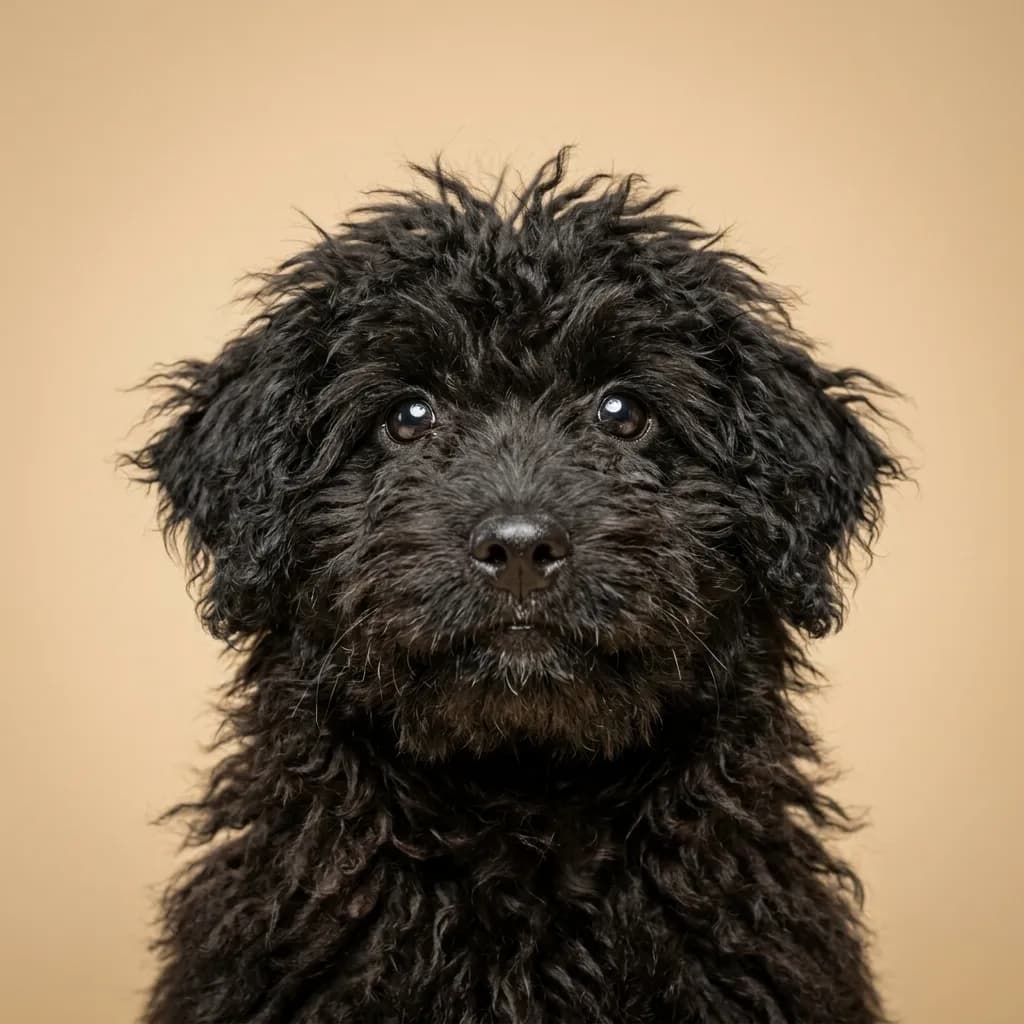
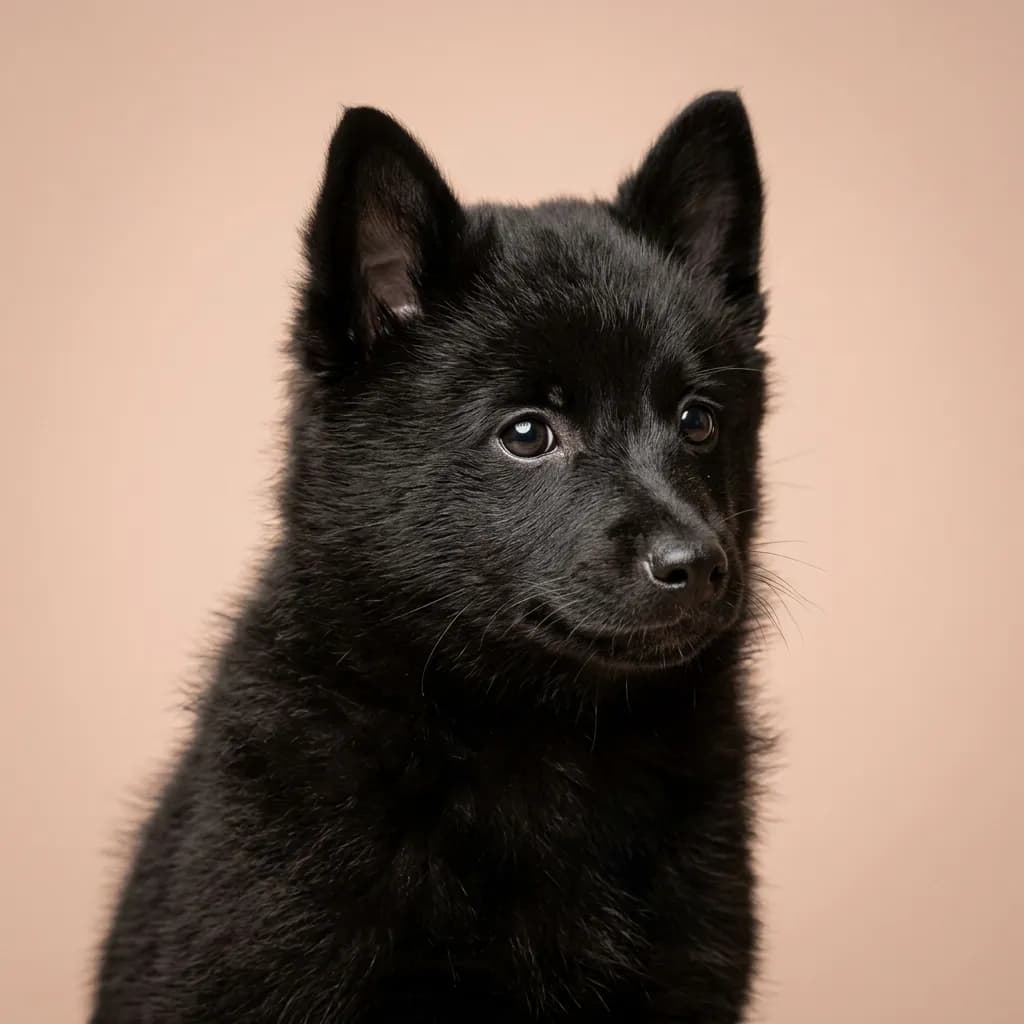
People compare the Puli and Schipperke because they’re both small to medium-sized, energetic dogs with bold personalities and coats that turn heads. One looks like a mop ran away from a janitor’s closet, the other like a tiny black lion with a fox’s grin. But beneath the drama, they’re built for very different rhythms of life. The Puli is a thinker, bred to manage flocks with precision and loyalty. That brain doesn’t shut off. You’ll need to give it jobs, puzzles, training challenges—otherwise, it’ll decide for itself how to entertain. Their corded coat is iconic, but it’s not low-maintenance. You’re signing up for hours of grooming, especially in puppyhood when cords form. They bond deeply with their people and can be wary of strangers, making them excellent watchdogs but sometimes aloof with guests. They’re good with kids, but only if those kids respect boundaries. The Schipperke, meanwhile, is the spark plug in dog form. Fearless and endlessly curious, it was born to explore, chase, and guard. That vermin-hunting instinct means small pets might not be safe. They shed more than the Puli and bark more too—often just because they can. Their independence means they’re slightly less eager to please, though still smart and trainable. They adapt well to smaller homes, but need daily movement and mental snack-sized challenges. Here’s the real difference: Pulis thrive on partnership. They want to work with you. Schipperkes want to investigate with you—then maybe go rogue and see what’s behind that fence. Pick a Puli if you want a devoted, brainy collaborator and don’t mind the grooming marathon. Choose a Schipperke if you like a dash of mischief with your loyalty and need a bold little dog for a lively home. Just know—neither will ever be invisible.
Trait-by-trait
Higher bar = more of that trait. Shedding, barking, drooling, grooming flipped for readability.Where they diverge
Choose the Puli if…
- Active families
- Experienced dog owners
- Those wanting a unique coat
- You value coat grooming — Puli scores noticeably higher.
Choose the Schipperke if…
- Active owners
- Those wanting a small but bold breed
- Suburban or rural settings
- You value shedding level — Schipperke scores higher here.