Puli vs Scottish Deerhound
Side-by-side comparison across all 14 AKC trait ratings, with a clear verdict on which breed fits which kind of household.
Not sure which breed fits your life?
Answer five questions about your home, your schedule, and your tolerance for shedding. We’ll match you to your top three breeds from over 200.
Puli vs Scottish Deerhound
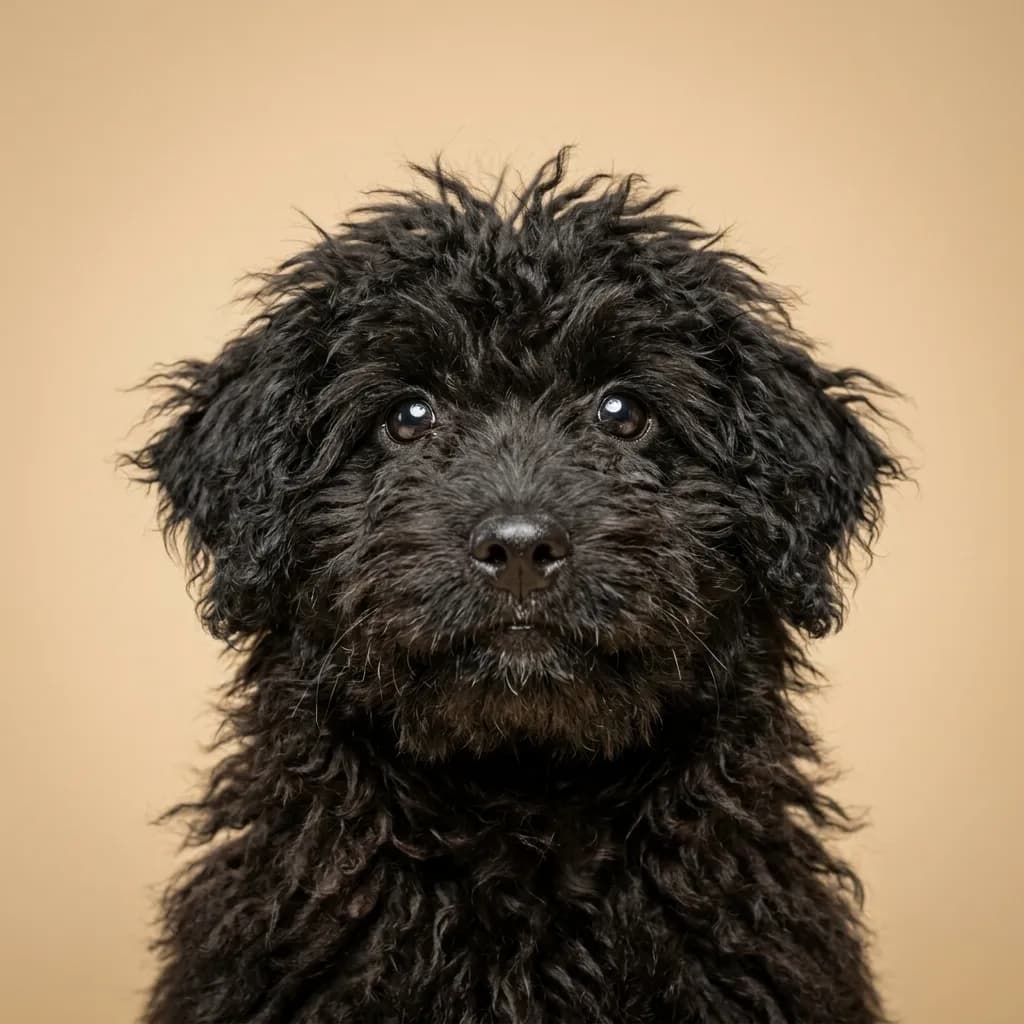
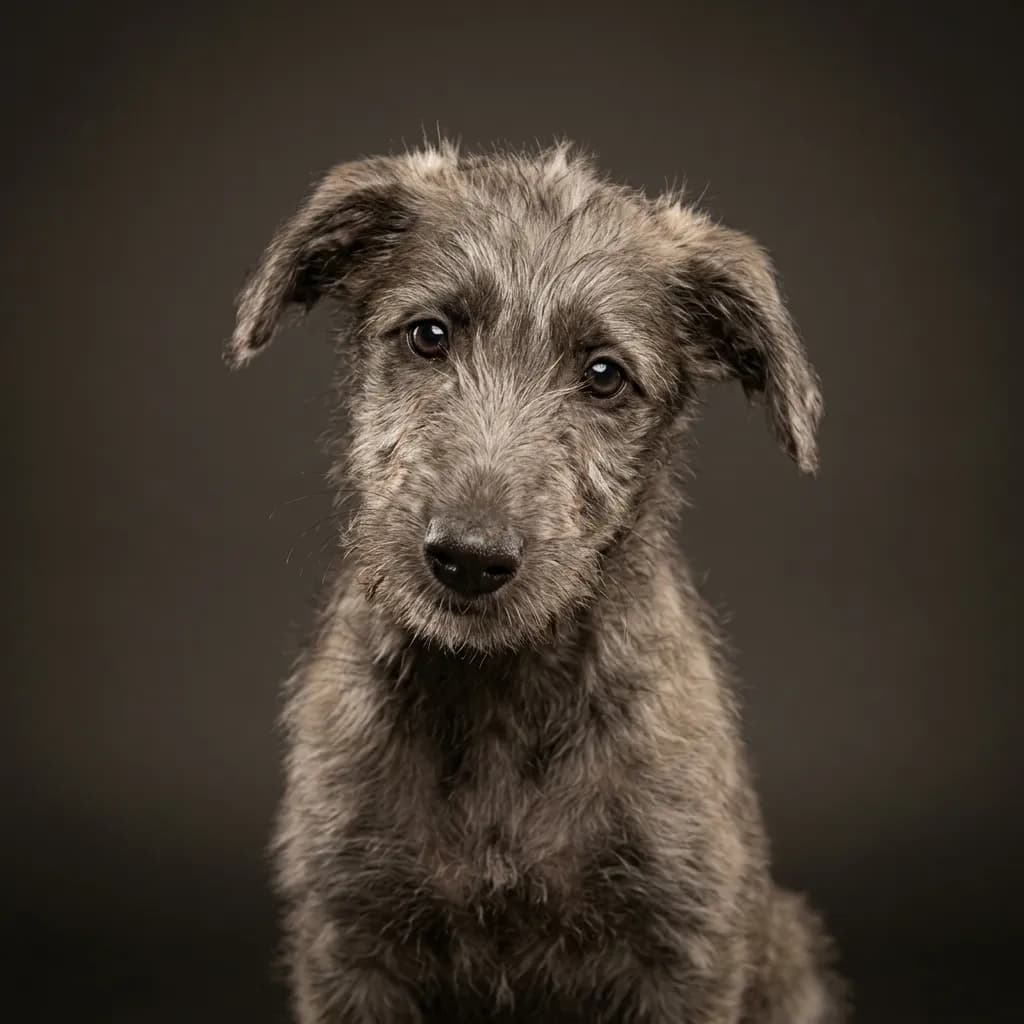
People compare the Puli and Scottish Deerhound because both are rare, striking breeds with dramatic looks—the Puli’s corded coat and the Deerhound’s shaggy grandeur make heads turn. But beyond the visual wow, they’re about as similar as a border collie is to a Great Dane. If you’re drawn to one, you’re probably not suited for the other. The Puli is a compact, whip-smart herder from Hungary, built for agility and alertness. At 30 pounds and 17 inches, it’s the size of a medium dog but with the brain of a PhD candidate. It thrives on mental puzzles, training challenges, and close family contact. You’ll spend hours maintaining those signature cords, but you’ll get a loyal, affectionate companion who’s adaptable to city life—if you keep it exercised. It’s not ideal for first-time owners. This dog will outthink you if you’re not careful. The Scottish Deerhound is a gentle giant, bred to run down deer across rugged Scottish terrain. At over 100 pounds and nearly 3 feet tall, it’s built like a draft horse with fur. Calm indoors but needing serious space to stretch its legs, it’s not for apartments or flimsy fences. It’s affectionate and dignified, but less eager to please than the Puli. Trainability is moderate, and you’ll face bigger health concerns—bloat and heart issues mean your time with a Deerhound might be shorter, often ending around 10 years. Here’s the real insight: the Puli wants to be your partner in everything. The Deerhound wants to be your quiet, noble shadow. Pick the Puli if you want engagement, energy, and a dog that’s always on. Pick the Deerhound if you’re okay with a shorter, more regal companionship, and have the land and lifestyle to let it move like the wind.
Trait-by-trait
Higher bar = more of that trait. Shedding, barking, drooling, grooming flipped for readability.Where they diverge
Choose the Puli if…
- Active families
- Experienced dog owners
- Those wanting a unique coat
- You value coat grooming — Puli scores noticeably higher.
Choose the Scottish Deerhound if…
- Active owners with spacious homes
- Those wanting a gentle giant
- Experienced sighthound owners
- You value good with other dogs — Scottish Deerhound scores higher here.