Puli vs Scottish Terrier
Side-by-side comparison across all 14 AKC trait ratings, with a clear verdict on which breed fits which kind of household.
Not sure which breed fits your life?
Answer five questions about your home, your schedule, and your tolerance for shedding. We’ll match you to your top three breeds from over 200.
Puli vs Scottish Terrier
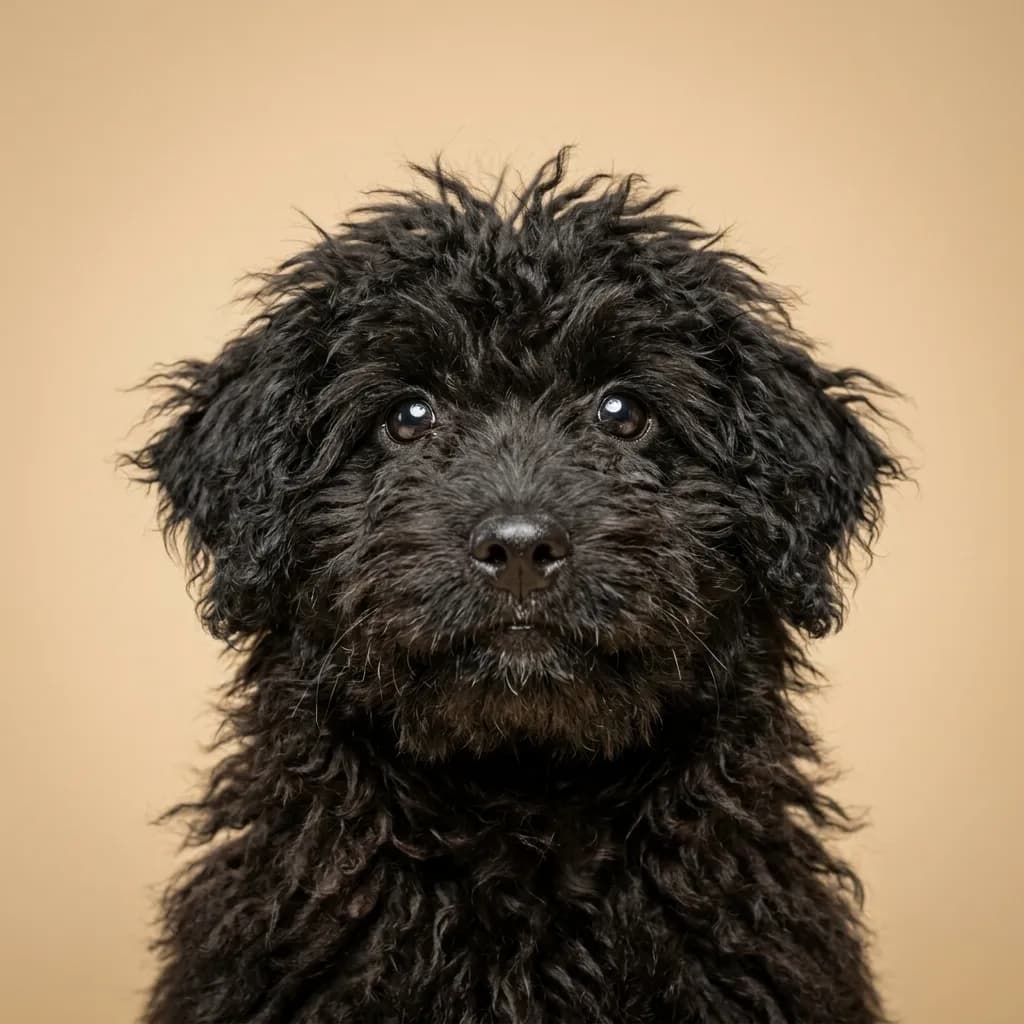
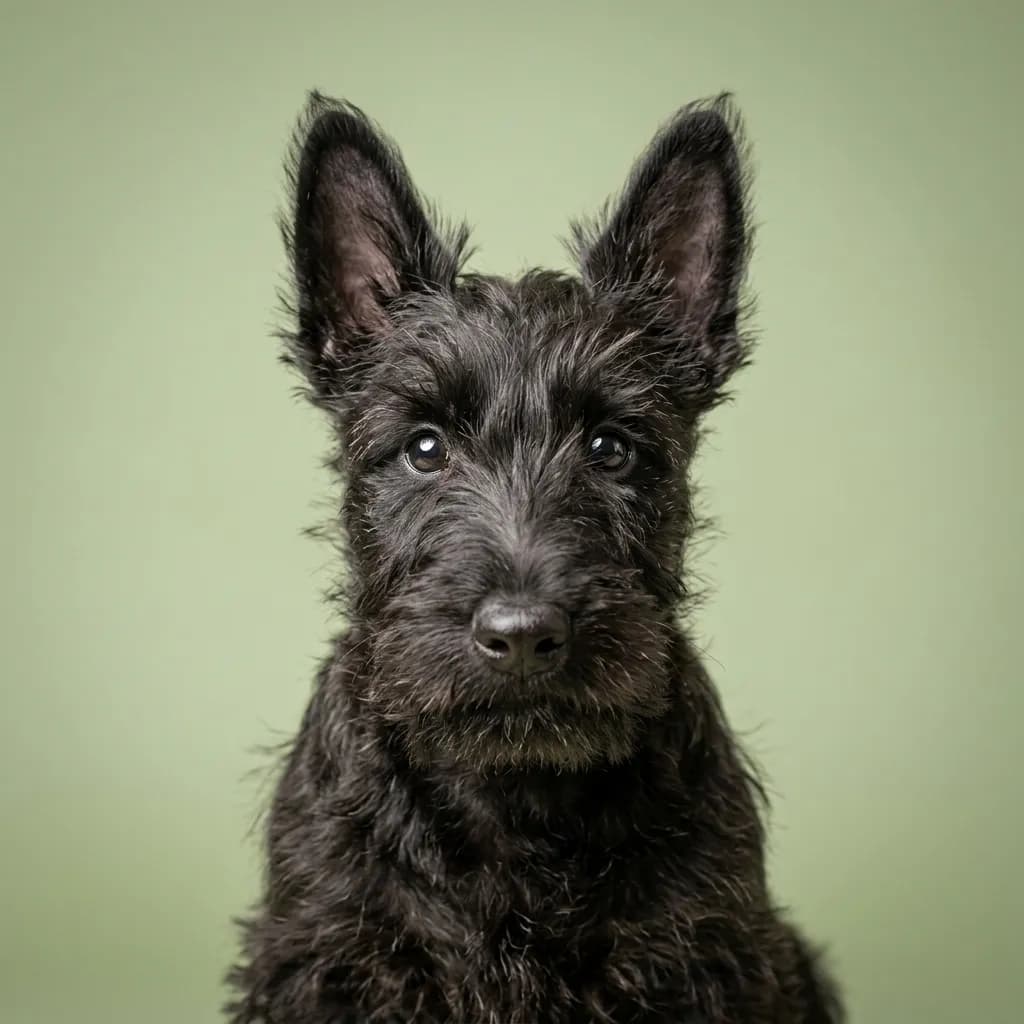
People compare the Puli and the Scottish Terrier because they’re both compact, spirited, and look like they stepped out of a storybook. One’s a mop on legs, the other a bearded tank with attitude. But that’s where the similarities end. The Puli is a thinker and a worker. Bred to herd sheep across open Hungarian plains, it thrives on mental challenges and bonds fiercely with its family. You’ll need time for training and a solid grooming routine—those cords aren’t self-maintaining. They’re smart enough to outwit you if you’re not consistent, so they suit someone who’s already learned a few dog lessons the hard way. They’re affectionate but not clingy, energetic but not frantic, and they do okay with kids if raised together. The Scottish Terrier, on the other hand, is built for stubborn independence. Bred to bolt after prey in the Scottish hills, it’s got a mind of its own. Training? You’ll need patience and creativity. They’re less about pleasing you and more about tolerating you—on their terms. That makes them great for calm, experienced owners who appreciate a dog with personality over perfection. They’re loyal in their own gruff way and surprisingly adaptable to apartment life, as long as you meet their daily walk quota. Here’s the real difference: the Puli wants to be part of your project. The Scottie wants to be his own project. Choose the Puli if you want a devoted, trainable partner who’ll learn tricks, hike with you, and look like a legend doing it. Choose the Scottie if you want a bold, idiosyncratic character who’ll keep you humble and entertained for years. Just don’t expect either to act like a typical dog. That’s kind of the point.
Trait-by-trait
Higher bar = more of that trait. Shedding, barking, drooling, grooming flipped for readability.Where they diverge
Choose the Puli if…
- Active families
- Experienced dog owners
- Those wanting a unique coat
- You value coat grooming — Puli scores noticeably higher.
Choose the Scottish Terrier if…
- Apartment living
- Independent owners
- Those wanting a distinctive, classic breed
- You value shedding level — Scottish Terrier scores higher here.