Puli vs Shikoku
Side-by-side comparison across all 14 AKC trait ratings, with a clear verdict on which breed fits which kind of household.
Not sure which breed fits your life?
Answer five questions about your home, your schedule, and your tolerance for shedding. We’ll match you to your top three breeds from over 200.
Puli vs Shikoku
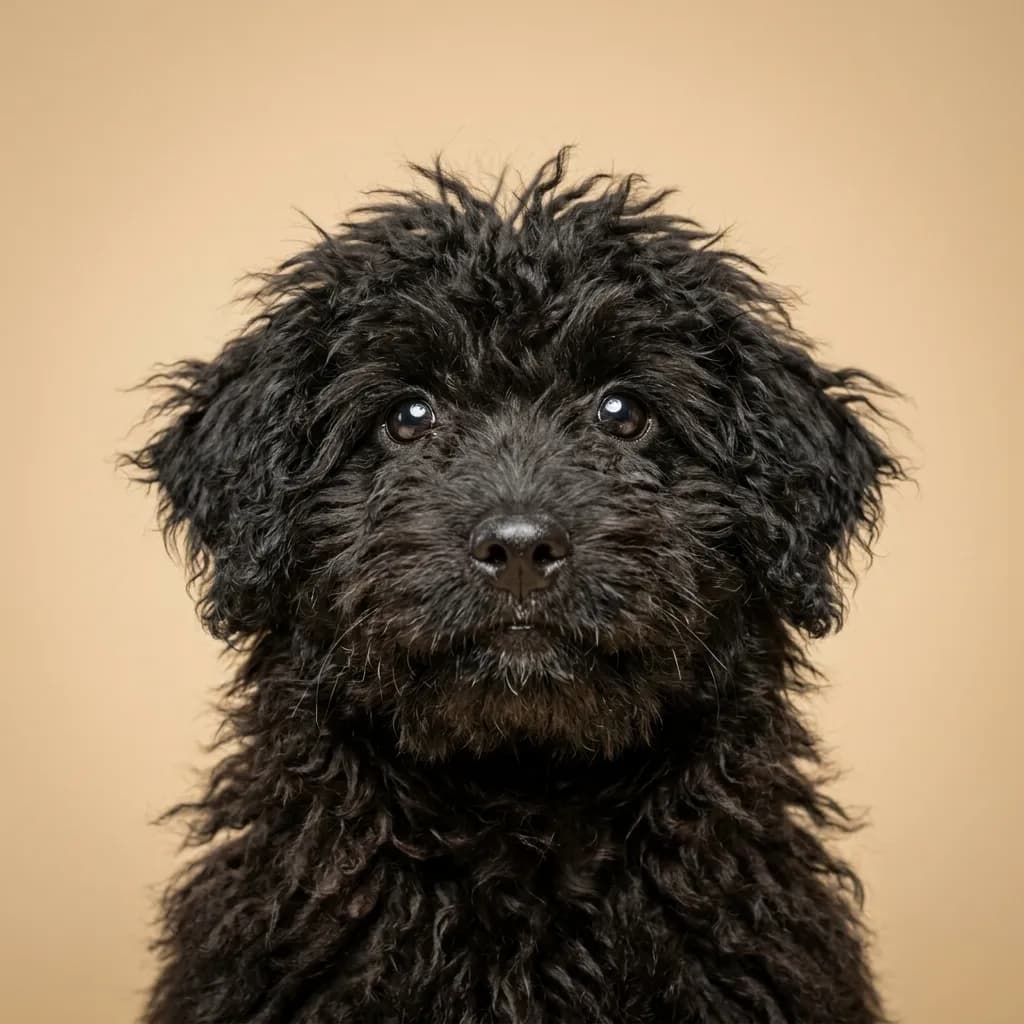
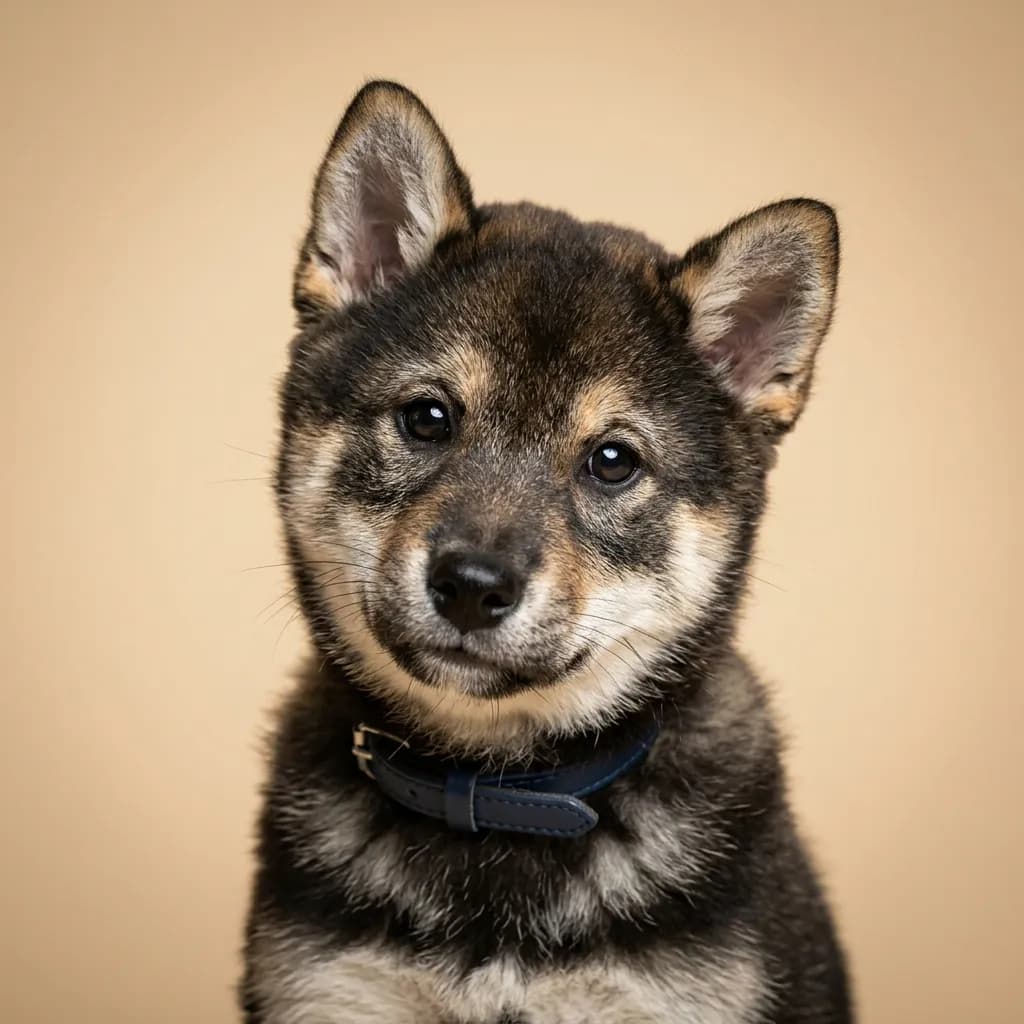
People don’t usually pit the Puli against the Shikoku unless they’ve already fallen for rare, high-maintenance breeds with wild looks and strong wills. You’re likely here because you want something unusual, maybe even a little challenging, and you’re not afraid of a dog that turns heads. But beyond the exotic appeal, these two couldn’t be more different under the skin. The Puli is the quirky, affectionate brainiac with dreadlocked cords that take serious upkeep but shed almost nothing. You’ll bond deeply with this dog—they’re loyal to a fault and thrive on mental puzzles and tasks. They’re adaptable enough for suburban life if you keep them busy, but don’t expect them to settle on the couch. They want to be with you, involved in everything, and they need early training to avoid becoming overprotective or bark-happy. The Shikoku, in contrast, is a mountain-born hunter built for rugged terrain and independent thinking. They’re less about cuddles and more about competence. You won’t dominate a Shikoku; you’ll earn their cooperation. They’re not as intensely bonded as the Puli and can be aloof even with family. They need space, secure fencing, and an owner who understands canine body language—because they’ll test you. Their double coat blows out twice a year in a furry blizzard, so “low shedding” is not in their vocabulary. If you want a devoted, trainable partner who’s part dog, part shadow, go Puli. If you crave a self-reliant, adventurous companion for trails and terrain, the Shikoku fits. Here’s the real talk: both demand experience, but for opposite reasons. The Puli needs leadership because they want to please too much and can become anxious or clingy. The Shikoku needs it because they’ll ignore you if they don’t respect you. Know which challenge you’re ready for.
Trait-by-trait
Higher bar = more of that trait. Shedding, barking, drooling, grooming flipped for readability.Where they diverge
Choose the Puli if…
- Active families
- Experienced dog owners
- Those wanting a unique coat
- You value affectionate w/ family — Puli scores noticeably higher.
Choose the Shikoku if…
- Experienced dog owners
- Active outdoor enthusiasts
- Those wanting a primitive, independent breed
- You value shedding level — Shikoku scores higher here.