Puli vs Silky Terrier
Side-by-side comparison across all 14 AKC trait ratings, with a clear verdict on which breed fits which kind of household.
Not sure which breed fits your life?
Answer five questions about your home, your schedule, and your tolerance for shedding. We’ll match you to your top three breeds from over 200.
Puli vs Silky Terrier
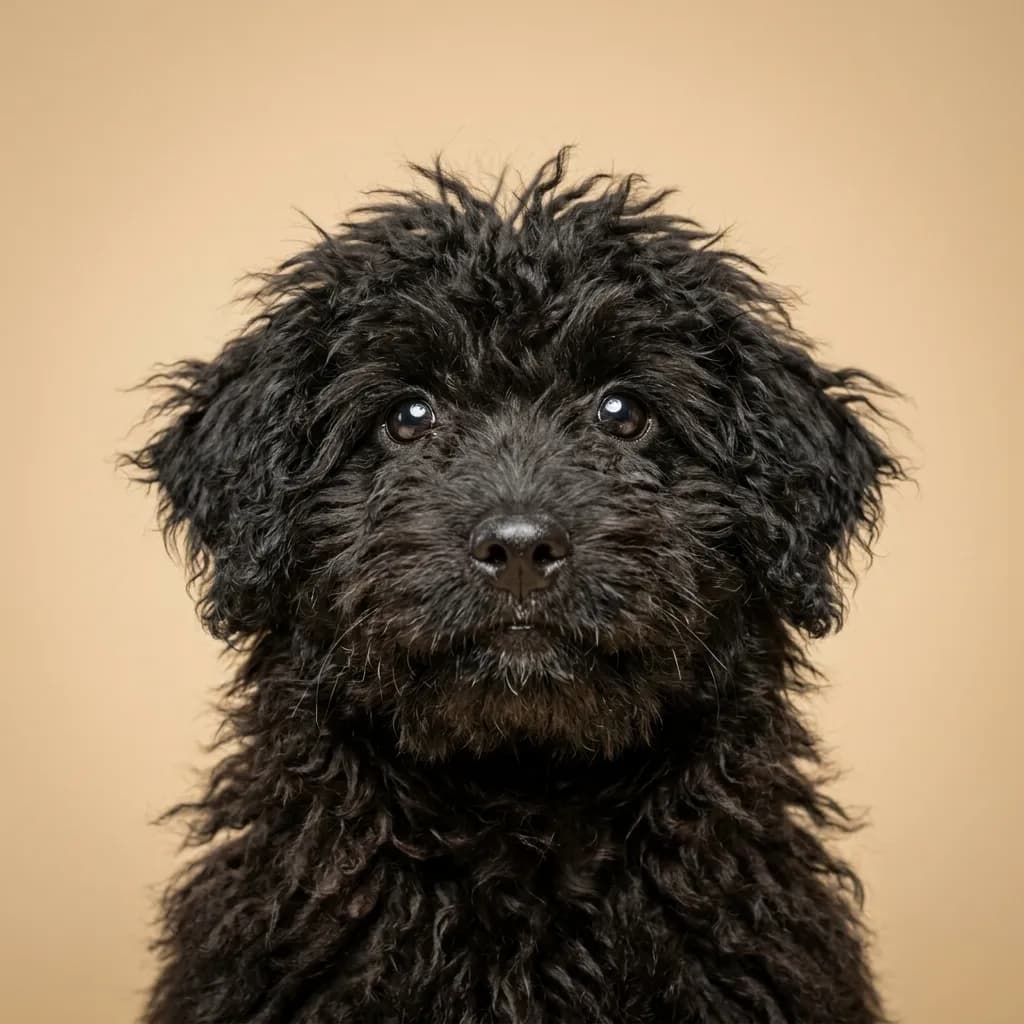
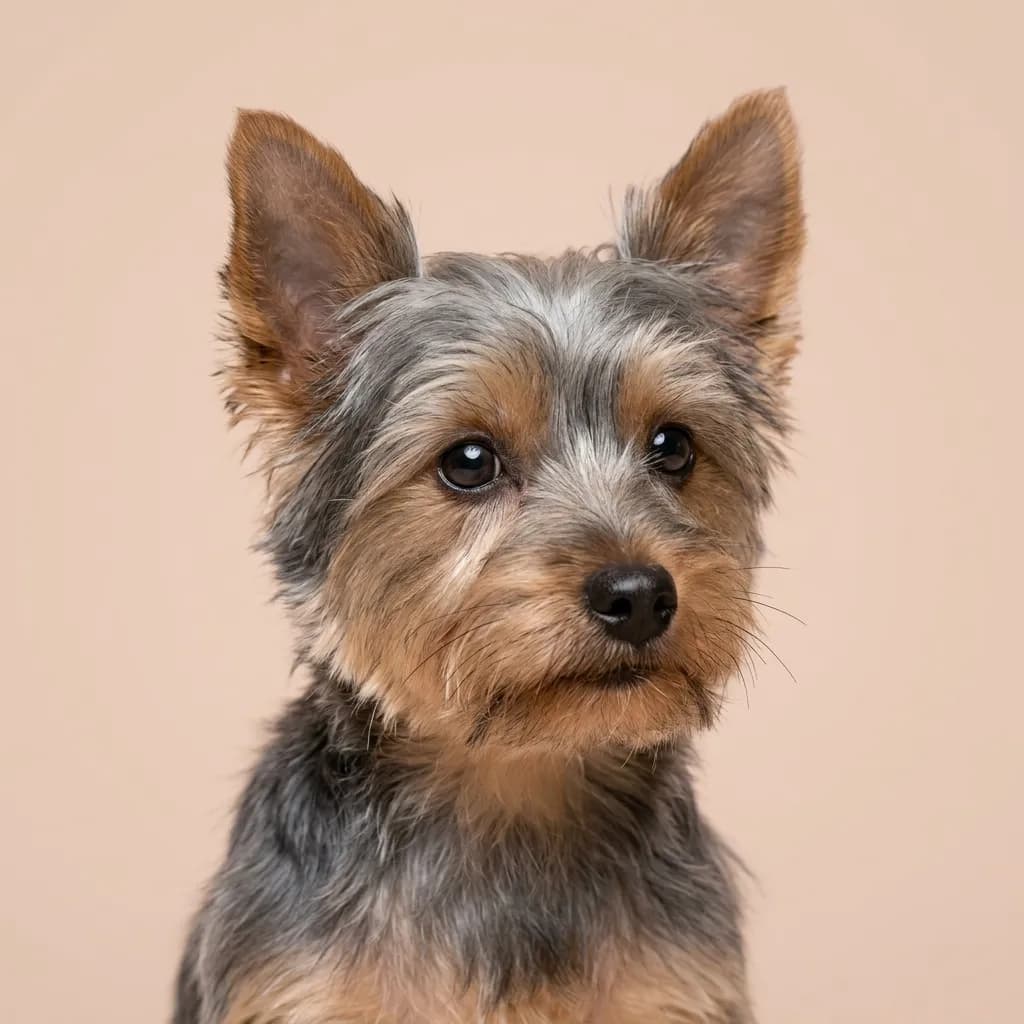
You don’t see a Puli and a Silky Terrier side by side at dog parks often, but people compare them because both wear dramatic coats like capes and seem like walking style statements. That’s where the similarity ends. Think of them as distant cousins at the same quirky family reunion—one’s the intense, opinionated uncle who herded sheep in Hungary; the other’s the sharp-dressed city cousin who excels at looking fabulous in tight spaces. The Puli is a thinker, bred to move livestock with precision and loyalty. It’s smart in a “read-your-mind-and-then-debate-you” way, needs real mental work, and bonds deeply with its people. Its corded coat isn’t just fashion—it’s functional armor—but it demands hours of upkeep. Skip brushing for a week and you’ll start a matting crisis. They’re not loud dogs, but they’ll alert you to a squirrel three blocks away. Kids aren’t their weakness, but they’re not patient teddy bears either. Best for someone who wants a project, a partner, and doesn’t mind looking unusual. The Silky Terrier, though small, packs energy and attitude. It’s alert to a fault—great for apartment security, less great if you live near a doorbell. It’s easier to groom than the Puli, but that silky coat still needs daily attention if you want it to shine. This dog isn’t a couch ornament. It wants to be in the action, chasing toys, investigating crumbs, barking at pigeons. It’s affectionate, but with a terrier spark—sometimes stubborn, always opinionated. Here’s the real talk: the Puli changes your lifestyle. The Silky fits into yours—mostly. If you want a dog that turns heads and demands commitment, go Puli. If you want a portable, feisty companion who won’t shed much but will boss you around, pick the Silky.
Trait-by-trait
Higher bar = more of that trait. Shedding, barking, drooling, grooming flipped for readability.Where they diverge
Choose the Puli if…
- Active families
- Experienced dog owners
- Those wanting a unique coat
- You value coat grooming — Puli scores noticeably higher.
Choose the Silky Terrier if…
- Apartment living
- Active owners despite small size
- Those wanting a long-coated but manageable breed
- You value shedding level — Silky Terrier scores higher here.