Puli vs Standard Schnauzer
Side-by-side comparison across all 14 AKC trait ratings, with a clear verdict on which breed fits which kind of household.
Not sure which breed fits your life?
Answer five questions about your home, your schedule, and your tolerance for shedding. We’ll match you to your top three breeds from over 200.
Puli vs Standard Schnauzer
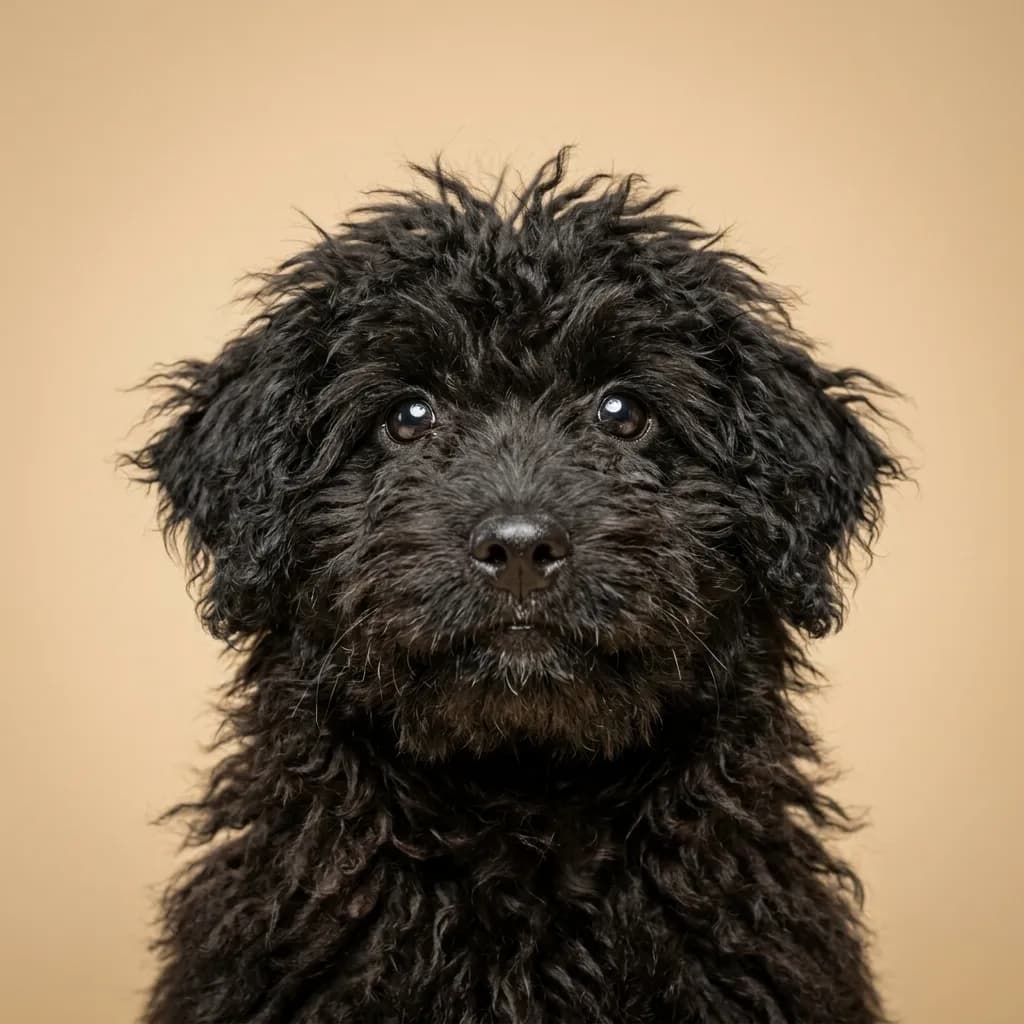
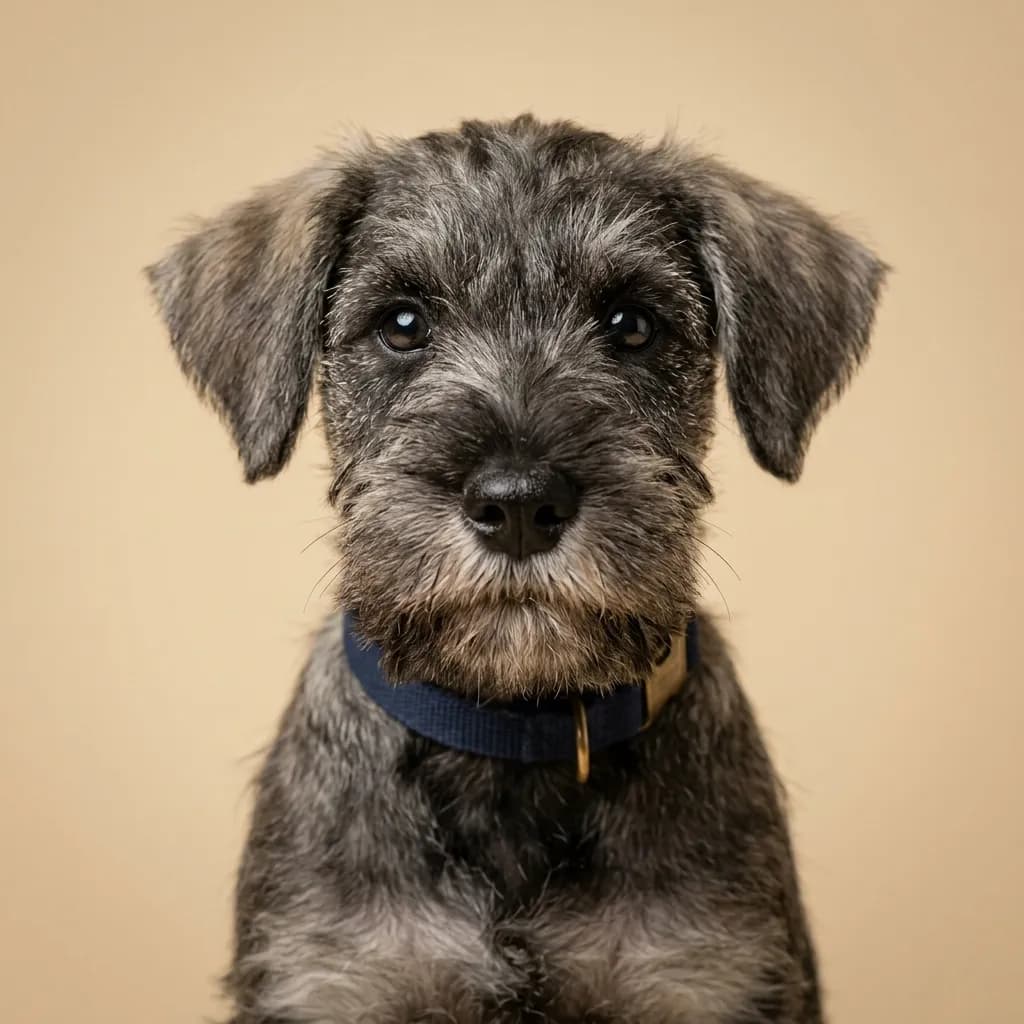
You don’t see many Pulis or Standard Schnauzers at the dog park, but when you do, people stop and stare. That’s probably why they get compared—they’re both rare, wiry or curly, and packed with personality. At first glance, they feel like two sides of the same coin: smart, loyal, low-shedding dogs that thrive with experienced owners. But living with one versus the other? That’s where the real differences kick in. The Puli looks like a mop that came to life, and honestly, that coat is a full-time job. You’ll need to felt those cords early and maintain them religiously, or you’re in for a tangled mess. But if you love a dog that turns heads and doesn’t shed, the Puli delivers. They bond deeply with their family and are happiest when they’re part of the action, though they can be reserved with strangers and smaller kids. They were bred to work all day in the Hungarian fields, so mental stimulation isn’t optional—it’s survival. The Standard Schnauzer, meanwhile, is the bolder, more confident roommate. That beard and bushy eyebrows give them a no-nonsense look because they mean business. They were farm guardians, killing rats and watching borders, which means they’re more adaptable around kids and less sensitive than the Puli. They still need grooming—a stripped coat isn’t something you fake with a slicker brush—but it’s more manageable than maintaining cords. Here’s the honest insight: the Puli will change your lifestyle. You’ll plan vacations around grooming appointments and explain your dog’s appearance at least once a week. The Schnauzer? You’ll just live your life—with a fearless, affectionate co-pilot who happens to look like a German bouncer. Pick the Puli if you want a project with a soul. Pick the Schnauzer if you want a partner with an attitude.
Trait-by-trait
Higher bar = more of that trait. Shedding, barking, drooling, grooming flipped for readability.Where they diverge
Choose the Puli if…
- Active families
- Experienced dog owners
- Those wanting a unique coat
- You value coat grooming — Puli scores noticeably higher.
Choose the Standard Schnauzer if…
- Active owners
- Experienced dog owners
- Dog sports enthusiasts
- You value good with young children — Standard Schnauzer scores higher here.