Pumi vs Samoyed
Side-by-side comparison across all 14 AKC trait ratings, with a clear verdict on which breed fits which kind of household.
Not sure which breed fits your life?
Answer five questions about your home, your schedule, and your tolerance for shedding. We’ll match you to your top three breeds from over 200.
Pumi vs Samoyed
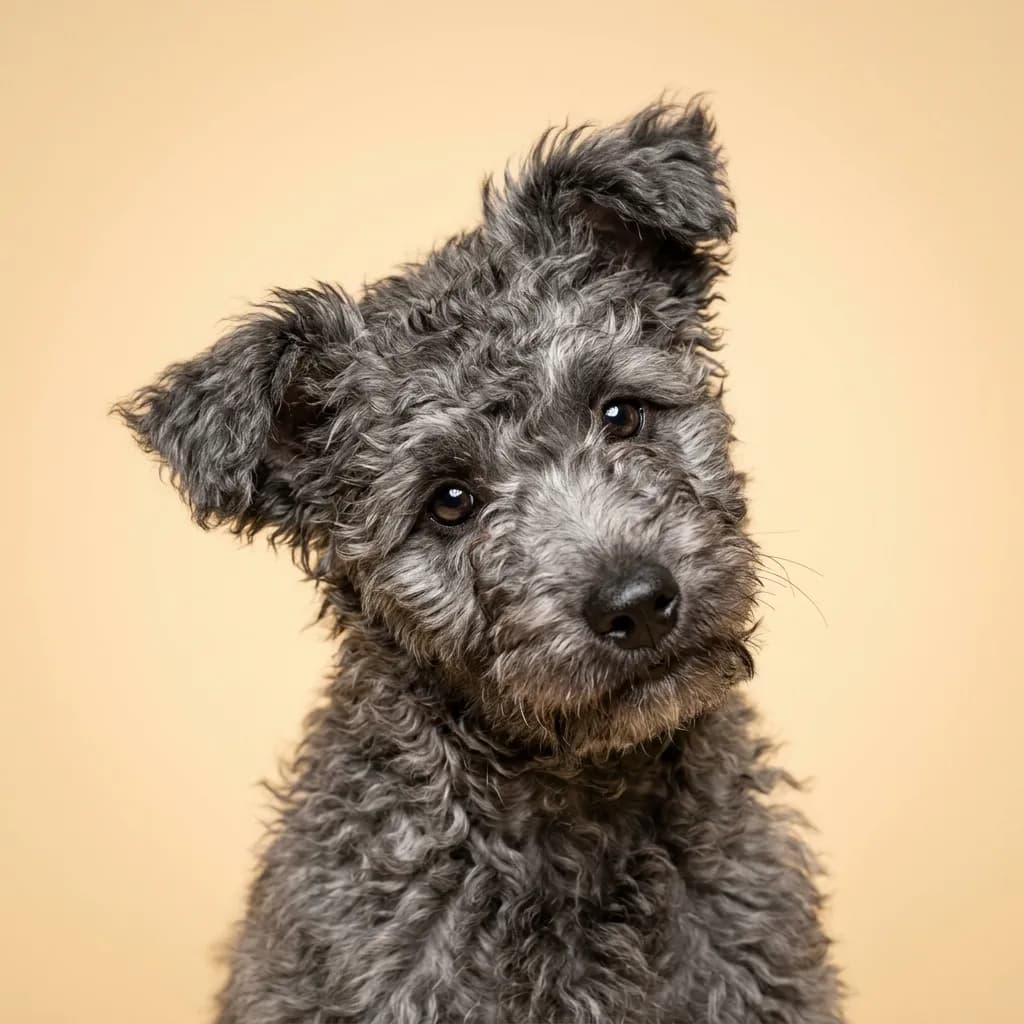
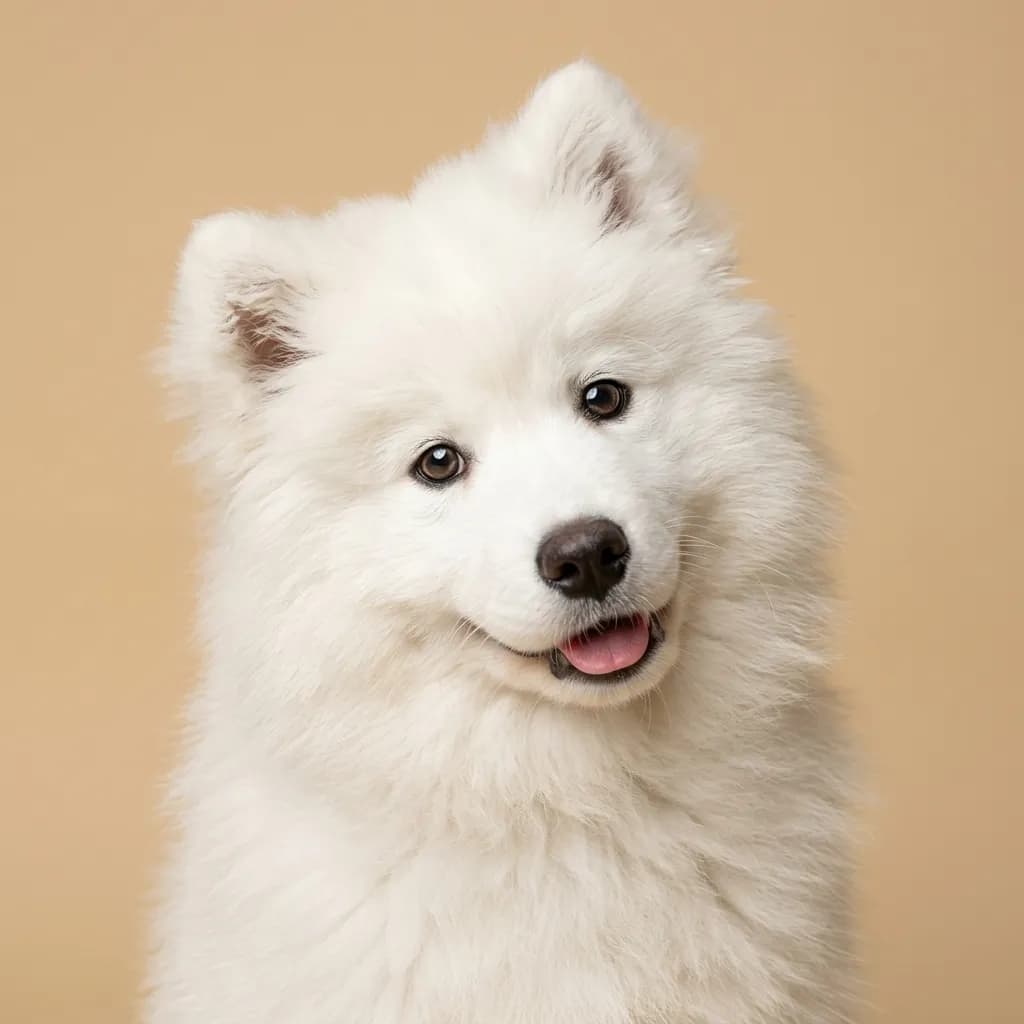
People toss the Pumi and Samoyed into the same comparison because they’re both fluffy, hardworking breeds with alert eyes and a spring in their step. But that’s where the surface-level similarities end. One looks like a cloud with a job, the other like a tousled farmhand who never stops moving. Choose based on fluff and energy, and you’ll end up in trouble. The Samoyed is the gentle giant of snowy villages, bred to haul sleds and herd reindeer through Arctic winds. He thrives in cold climates and family life, greeting children and strangers alike with that famous “Sammy smile.” But that glorious white coat? It sheds like a snowstorm in spring. You’ll brush weekly, then vacuum daily, then accept that dog hair is now part of your diet. And he’ll bark—not constantly, but with purpose and volume, especially if bored. The Pumi is the opposite kind of busy. A Hungarian herder with corkscrew curls and ears that look perpetually shocked, he lives to work. This dog doesn’t just want mental stimulation—he demands it. Dog sports, advanced training, a job to do. He bonds tightly with his people and adores them fiercely, but he’s not the default cuddle-bug on tap like the Samoyed. And while he sheds less, his coat needs trimming every few months to avoid matting. Here’s the real talk: if you want a dog that’s a full-time partner in adventure and thrives on precision and challenge, the Pumi will light up your life. But if you’re building a family-centered home in a colder climate and want a dog who radiates joy and welcomes everyone in, the Samoyed might just steal your heart—and your couch. Just know this: the Pumi won’t forgive a dull routine. And the Samoyed won’t hide his need for company. Pick passion or partnership. One’s a co-pilot. The other’s a family pillar.
Trait-by-trait
Higher bar = more of that trait. Shedding, barking, drooling, grooming flipped for readability.Where they diverge
Choose the Pumi if…
- Active owners
- Dog sports enthusiasts
- Experienced herding breed owners
- You value drooling level — Pumi scores noticeably higher.
Choose the Samoyed if…
- Active families
- Cold climate households
- Dog sports enthusiasts
- You value good with young children — Samoyed scores higher here.