Pumi vs Silky Terrier
Side-by-side comparison across all 14 AKC trait ratings, with a clear verdict on which breed fits which kind of household.

Not sure which breed fits your life?
Answer five questions about your home, your schedule, and your tolerance for shedding. We’ll match you to your top three breeds from over 200.
Pumi vs Silky Terrier
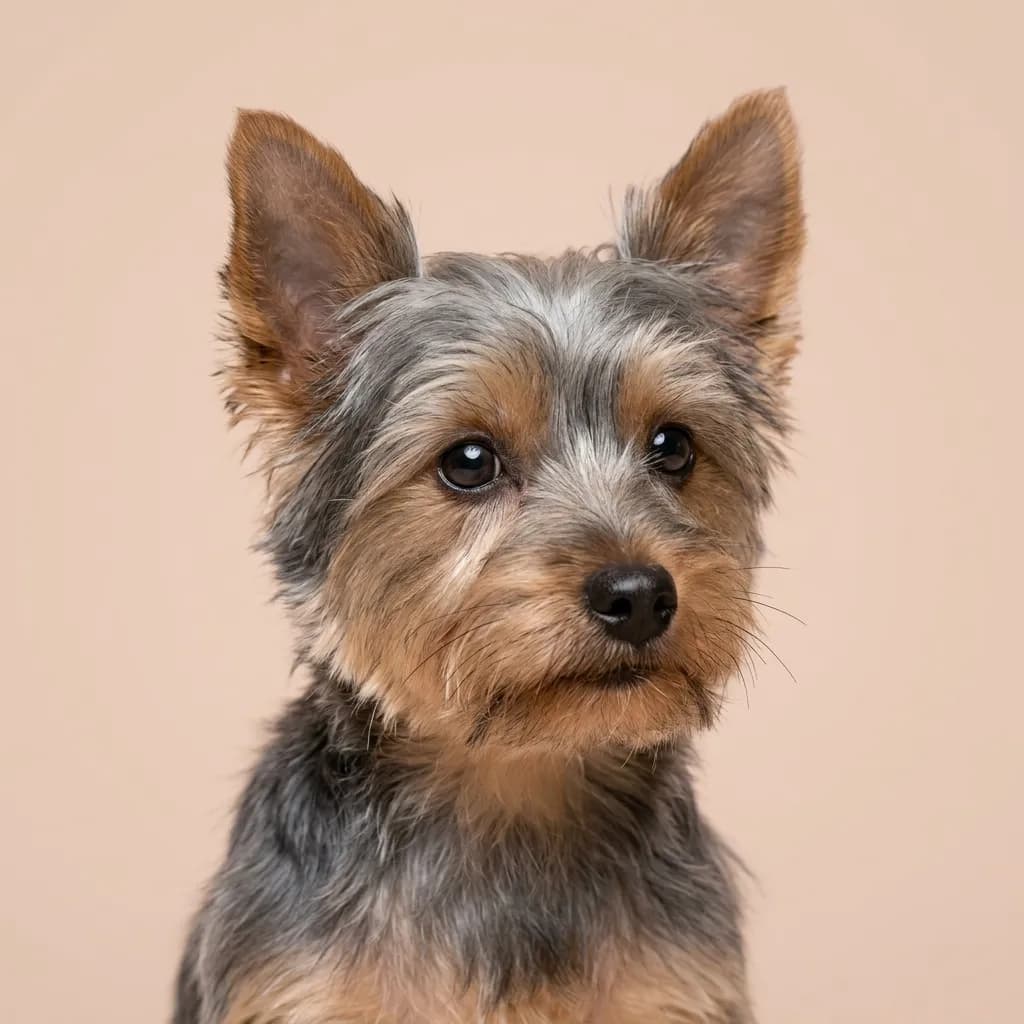
People compare the Pumi and Silky Terrier because both are small, energetic, and have a striking coat that turns heads. But that’s where the similarity ends. Think of it like choosing between a turbocharged scooter and a sports car in a dog’s body—one’s built for quick bursts and charm, the other for endurance and work. The Pumi is a herding dynamo from Hungary, built like a spring on legs, always ready to move. At 15 to 18 inches, it’s twice the dog in size and spirit compared to the pocket-sized Silky Terrier. This isn’t a couch ornament. You’ll need serious time for physical and mental exercise—agility, obedience, herding trials. They’re brilliant and eager, but that 5/5 energy means they’ll outlast most owners. If you’re into dog sports or have a farm-ish setup (even a big yard counts), the Pumi thrives. But don’t get one if you’re home late every night. They bond hard and hate being ignored. The Silky Terrier, on the other hand, is the feisty, alert companion bred in Australia for killing rats but now happiest on a walk in the city or curled beside you. They’re affectionate and bold for their size, but that 4/5 bark means they’ll alert you to the mailman, the neighbor’s cat, and a leaf blowing down the street. Grooming is non-negotiable—daily brushing to avoid tangles—but they shed little, making them a solid choice for small homes or allergy-prone households. Here’s the real talk: Both can be great with kids, but neither is a pushover. The Pumi might try to “herd” your children; the Silky might resent rough handling. And while the Silky lives a bit longer, both face patellar luxation risks. Choose the Pumi if you want a dog that works with you. Pick the Silky if you want a dog that lives with you—loudly, proudly, and always aware.
Trait-by-trait
Higher bar = more of that trait. Shedding, barking, drooling, grooming flipped for readability.Where they diverge
Choose the Pumi if…
- Active owners
- Dog sports enthusiasts
- Experienced herding breed owners
- You value energy level — Pumi scores noticeably higher.
Choose the Silky Terrier if…
- Apartment living
- Active owners despite small size
- Those wanting a long-coated but manageable breed
- You value shedding level — Silky Terrier scores higher here.