Pyrenean Mastiff vs Schipperke
Side-by-side comparison across all 14 AKC trait ratings, with a clear verdict on which breed fits which kind of household.
Not sure which breed fits your life?
Answer five questions about your home, your schedule, and your tolerance for shedding. We’ll match you to your top three breeds from over 200.
Pyrenean Mastiff vs Schipperke
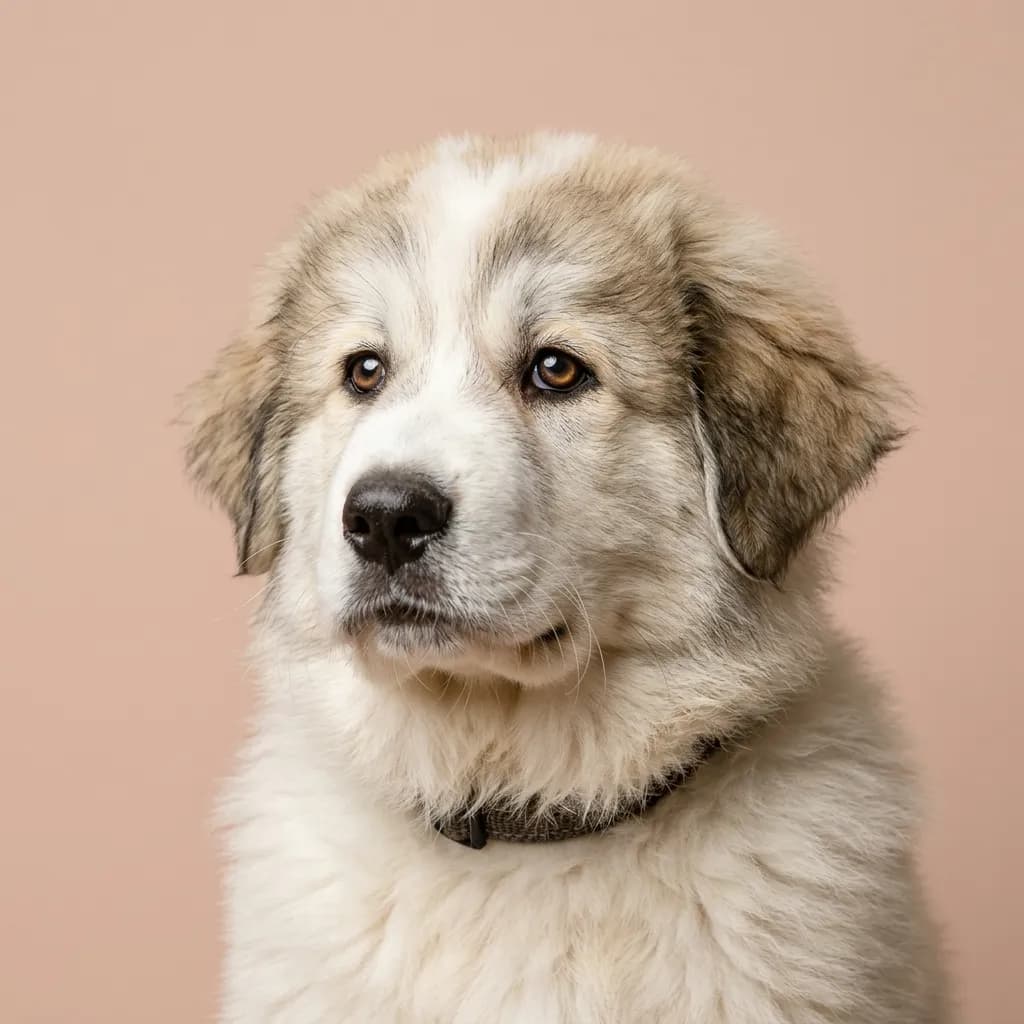
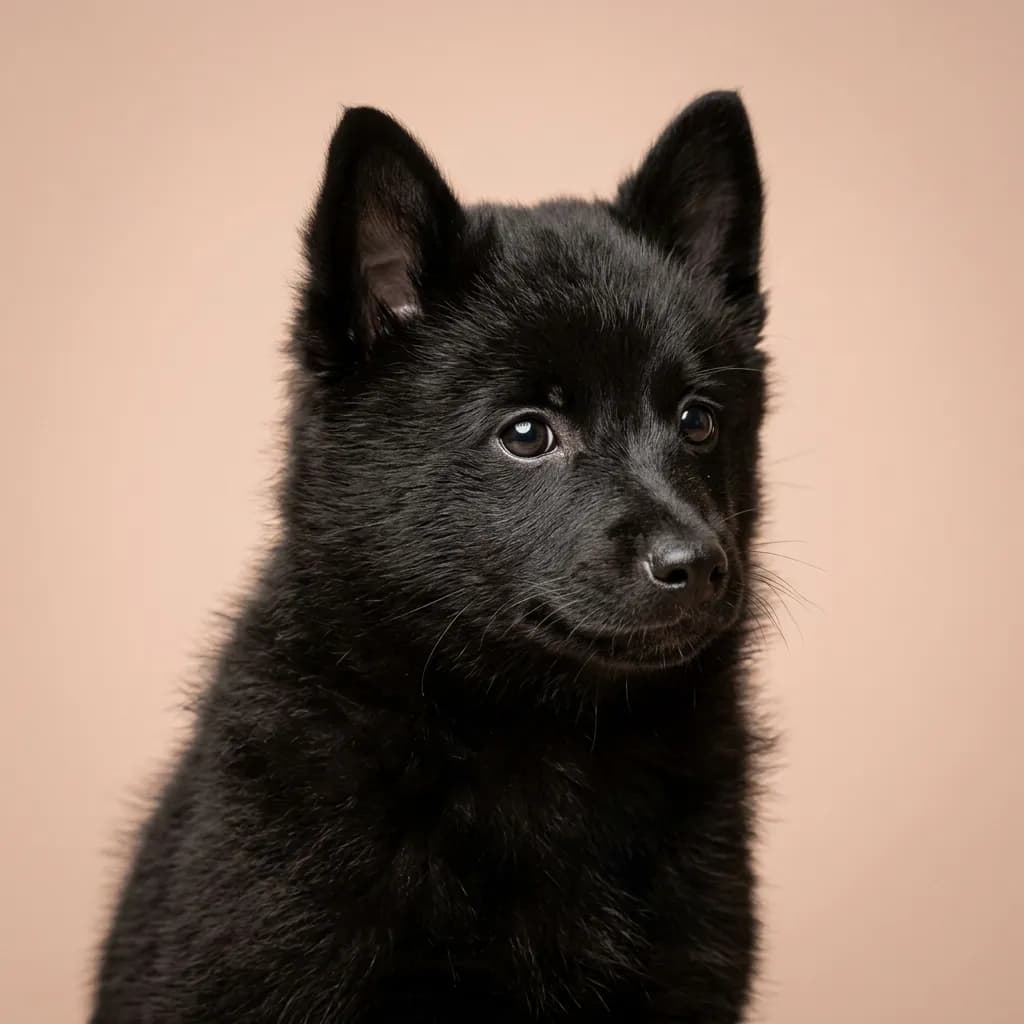
You’re probably not comparing a 200-pound gentle giant from the Spanish mountains to a 12-pound black Belgian barge dog because you’re planning to buy both. But here’s why the question comes up: both are rare, both have a job to do, and both carry themselves like they own the place. One looks like a lion, the other like a tiny, furry Napoleon. That’s where the fun ends—and the real differences begin. The Pyrenean Mastiff is not a dog you casually adopt. He’s bred to stand between wolves and sheep, and that means he’s calm but hyper-aware, deeply loyal but independent when it counts. You’ll need space—acres, really—and the ability to handle a giant breed’s joints, heart, and risk of bloat. He won’t bark much, but he’ll block danger without hesitation. Families with older kids who live on farms or rural land? This dog makes sense. First-time owners or city dwellers? It won’t. The Schipperke, meanwhile, is the watchdog in miniature. He’s fearless, loud, and always on. He was bred to guard boats and chase rats, and he still acts like every delivery truck is a personal invasion. He adapts to smaller homes, but you’ll pay for it in bark volume and grooming shed. He bonds fiercely, but his curiosity can override his manners. Active owners who want a bold, compact dog with a big personality? He’s a gem. Here’s the thing no breeder brochure tells you: the Pyrenean Mastiff’s calm isn’t laziness—it’s strategic patience. And the Schipperke’s bark isn’t just noise. It’s purpose. Pick based on the job you need done, not the look you like. One guards land. The other guards life. Choose your mission.
Trait-by-trait
Higher bar = more of that trait. Shedding, barking, drooling, grooming flipped for readability.Where they diverge
Choose the Pyrenean Mastiff if…
- Experienced large-breed owners
- Rural or farm settings
- Livestock guardian needs
- You value drooling level — Pyrenean Mastiff scores noticeably higher.
Choose the Schipperke if…
- Active owners
- Those wanting a small but bold breed
- Suburban or rural settings
- You value barking level — Schipperke scores higher here.