Pyrenean Mastiff vs Siberian Husky
Side-by-side comparison across all 14 AKC trait ratings, with a clear verdict on which breed fits which kind of household.
Not sure which breed fits your life?
Answer five questions about your home, your schedule, and your tolerance for shedding. We’ll match you to your top three breeds from over 200.
Pyrenean Mastiff vs Siberian Husky
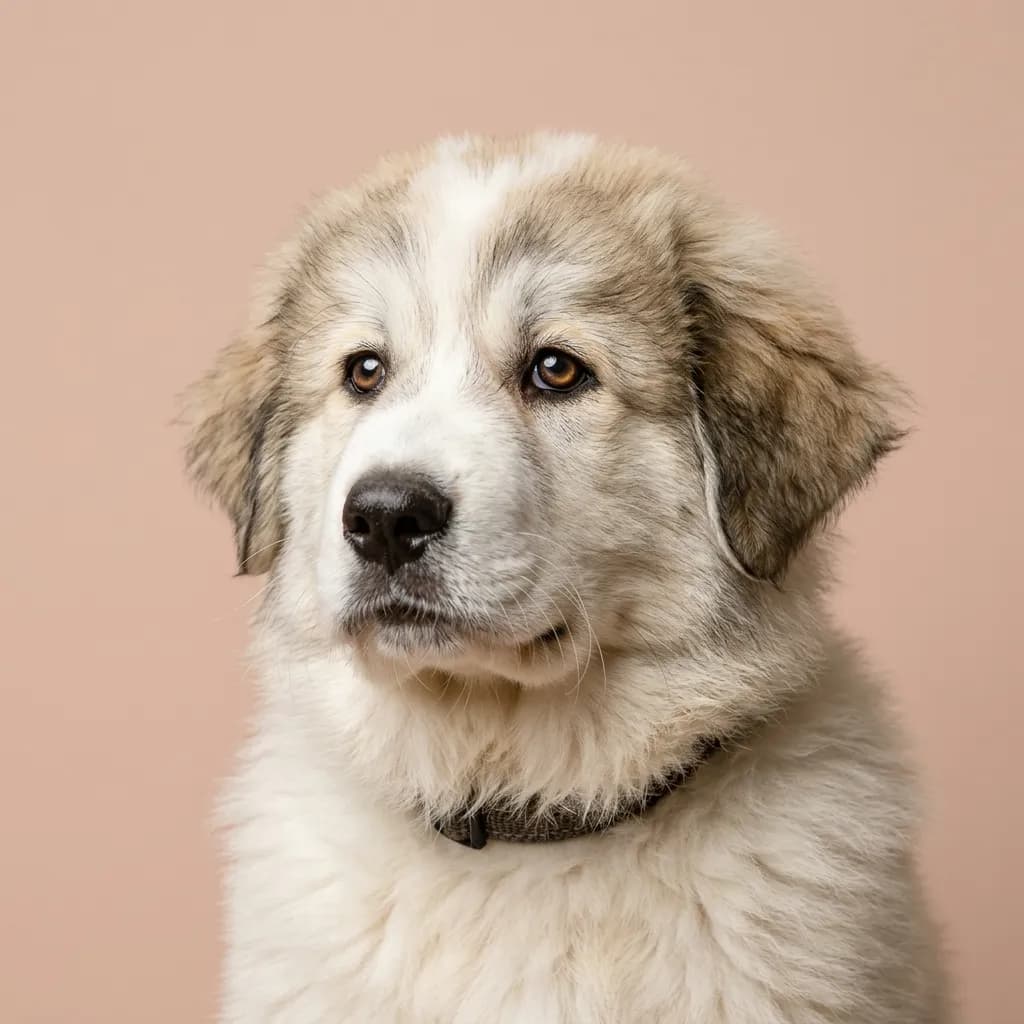
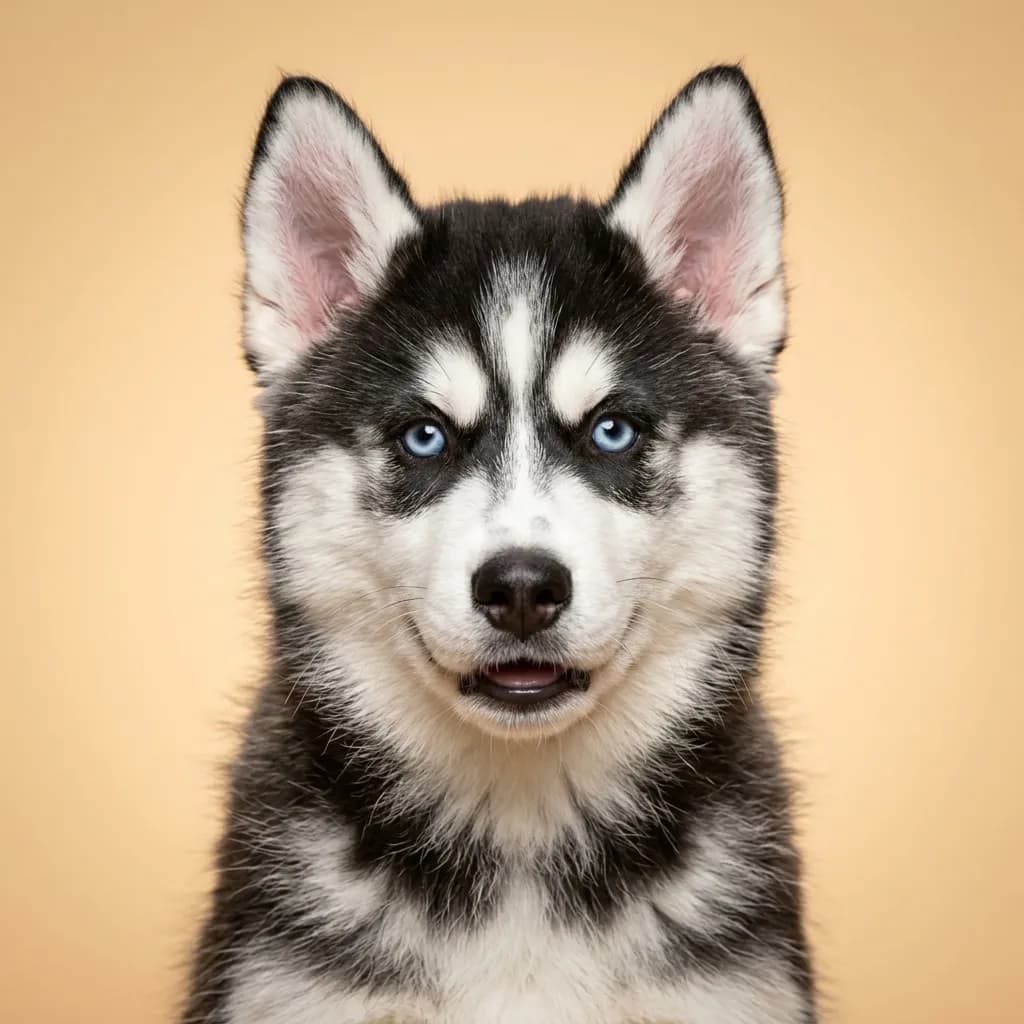
People compare the Pyrenean Mastiff and Siberian Husky because both are big in their own ways—one in size, the other in personality. At first glance, you might see a fluffy, family-friendly dog and think they’re interchangeable. But that’s where reality hits. These breeds come from opposite ends of the dog world, both geographically and functionally, and choosing between them isn't about preference alone—it’s about lifestyle. The Pyrenean Mastiff is a gentle mountain of a dog, bred to guard sheep in the Spanish Pyrenees. Weighing up to 240 pounds, it moves like a slow, noble tank. It’s calm, quiet, deeply loyal, and needs space—both physically and mentally. You don’t train it like a sport dog; you manage it like a responsibility. This isn’t a breed for city living or novice owners. Bloat, joint issues, and its sheer size mean vet bills and logistics you can’t ignore. The Siberian Husky, on the other hand, is energy in fur form. At 60 pounds max, it’s a fraction of the Mastiff’s weight but twice the trouble if you’re sedentary. Bred to run for miles in subzero cold, it’ll chew your doorframe if you don’t meet its exercise needs. It’s affectionate, loud, and will outrun you before you finish tying your shoes. And yes, it sheds—twice a year feels like a fur blizzard. Here’s the real insight: The Mastiff protects your land, but the Husky will try to leave it. One stays because it’s loyal to the post, the other bolts because it’s loyal to the horizon. Choose the Mastiff if you want a calm, dignified guardian for a rural home. Choose the Husky if you run, ski, or mush—and don’t mind a dog that treats fences as suggestions.
Trait-by-trait
Higher bar = more of that trait. Shedding, barking, drooling, grooming flipped for readability.Where they diverge
Choose the Pyrenean Mastiff if…
- Experienced large-breed owners
- Rural or farm settings
- Livestock guardian needs
- You value drooling level — Pyrenean Mastiff scores noticeably higher.
Choose the Siberian Husky if…
- Active owners who exercise daily
- Cold climate households
- Families with children
- You value barking level — Siberian Husky scores higher here.