Rat Terrier vs Siberian Husky
Side-by-side comparison across all 14 AKC trait ratings, with a clear verdict on which breed fits which kind of household.

Not sure which breed fits your life?
Answer five questions about your home, your schedule, and your tolerance for shedding. We’ll match you to your top three breeds from over 200.
Rat Terrier vs Siberian Husky
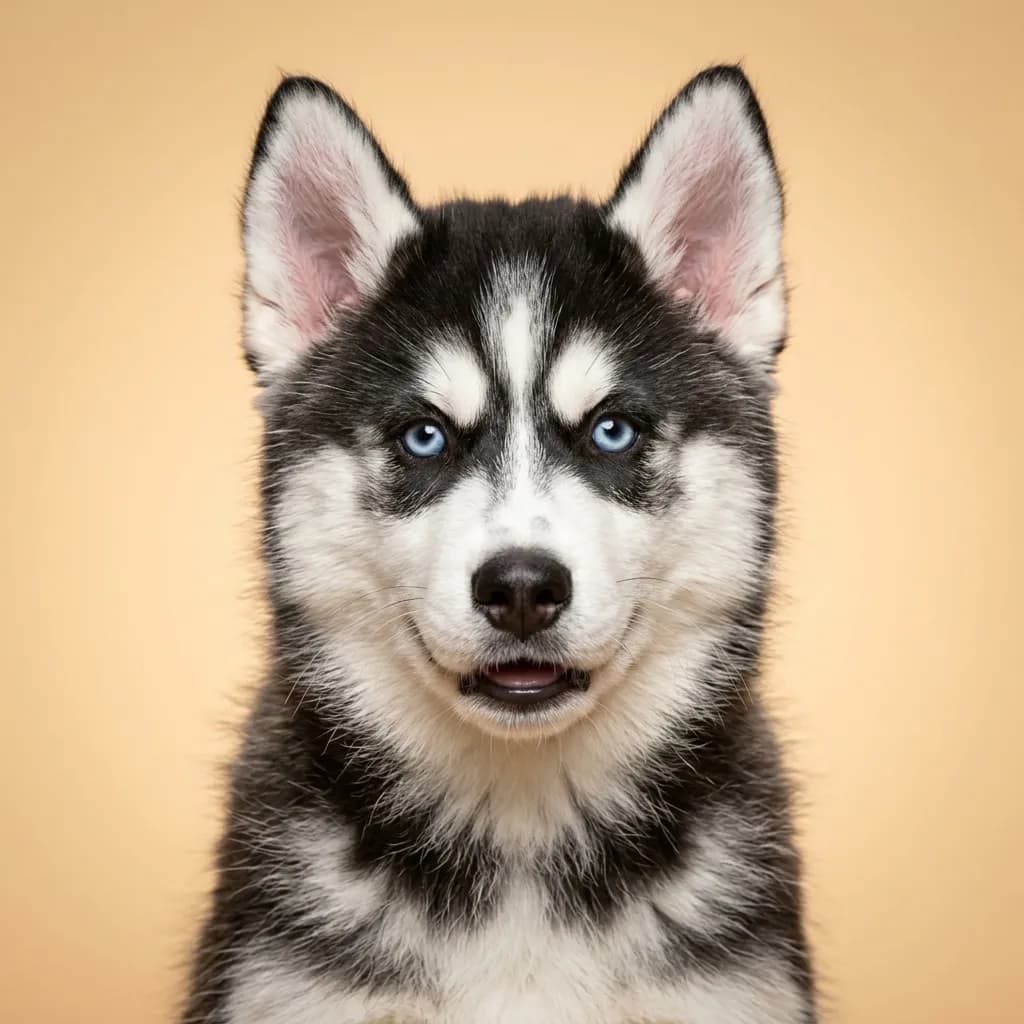
You’re probably comparing a Rat Terrier and a Siberian Husky because both are energetic, loyal, and great with kids. But that’s where the similarities end. Think of it this way: one was built to bolt through barns after rats, the other to race across frozen tundra for miles. They’re both tough and smart, but their energy moves in completely different directions. The Rat Terrier is a compact firecracker—12 to 18 pounds of sharp focus and affection. They’re eager to please, easy to train, and thrive in apartments or small homes. They’re also excellent watchdogs and surprisingly good with kids. But they’ve got that terrier instinct—if your home includes pet hamsters or guinea pigs, they’ll see them as prey, not roommates. The Husky? They’re pack animals with wanderlust. At 35 to 60 pounds, they’re built for endurance, not obedience. They’ll howl, shed like a snowstorm in spring, and if given the chance, vanish over the horizon. They don’t run away because they’re unhappy—they run because they’re curious, and a fenced yard is just a challenge to them. So who picks which? If you want a manageable, clever, low-cost companion who fits city life and still brings terrier spark, go Rat Terrier. If you live where it’s cold, you’re outdoorsy, and you want a dramatic, high-energy partner for adventures—think dog sledding, hiking, or just daily 10-mile runs—then Husky makes sense. Here’s the real talk: the Rat Terrier bonds closely and wants to be involved in everything you do. The Husky loves you deeply but will never fully belong to you—they’ll always be half-wild, and that’s the point. Pick the one whose chaos matches your lifestyle.
Trait-by-trait
Higher bar = more of that trait. Shedding, barking, drooling, grooming flipped for readability.Where they diverge
Choose the Rat Terrier if…
- Active families
- First-time dog owners
- Apartment or small home living
- You value watchdog / protective — Rat Terrier scores noticeably higher.
Choose the Siberian Husky if…
- Active owners who exercise daily
- Cold climate households
- Families with children
- You value good with other dogs — Siberian Husky scores higher here.