Rhodesian Ridgeback vs Schipperke
Side-by-side comparison across all 14 AKC trait ratings, with a clear verdict on which breed fits which kind of household.
Not sure which breed fits your life?
Answer five questions about your home, your schedule, and your tolerance for shedding. We’ll match you to your top three breeds from over 200.
Rhodesian Ridgeback vs Schipperke
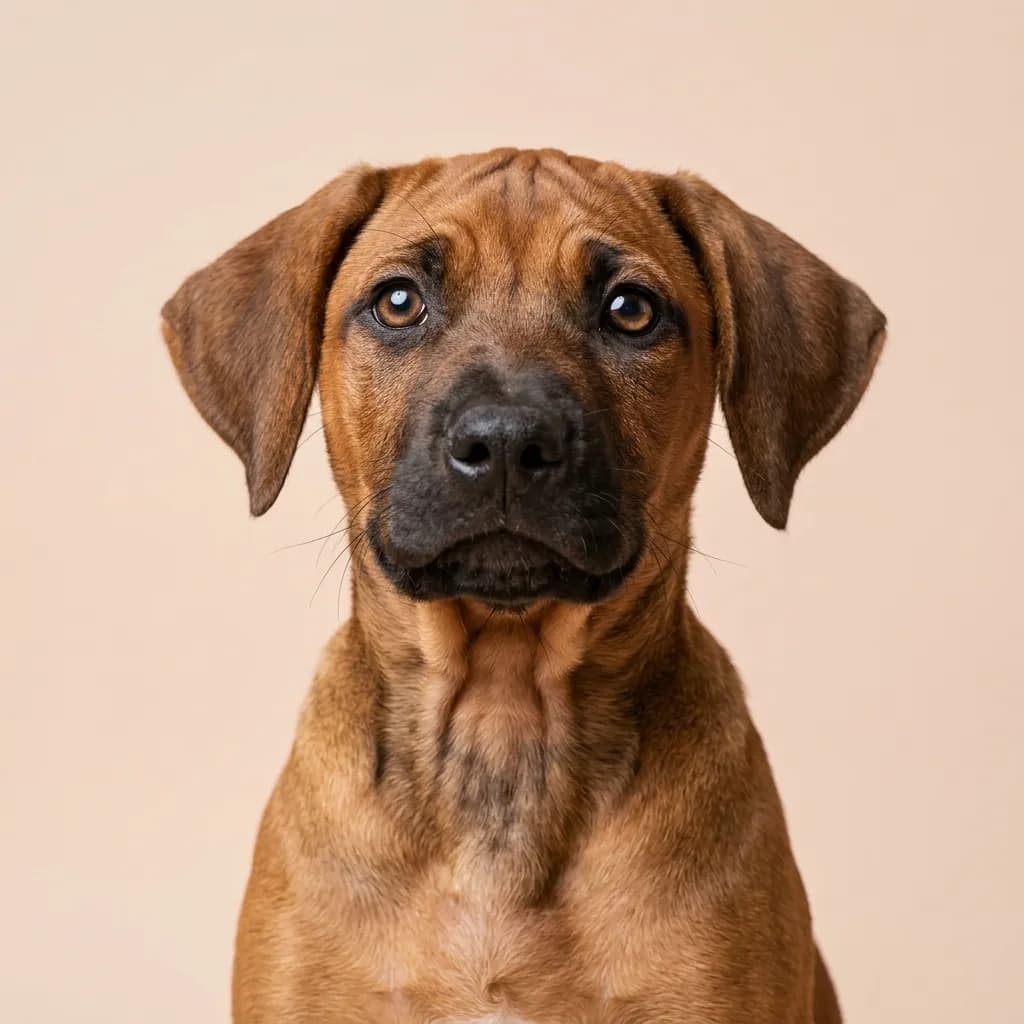
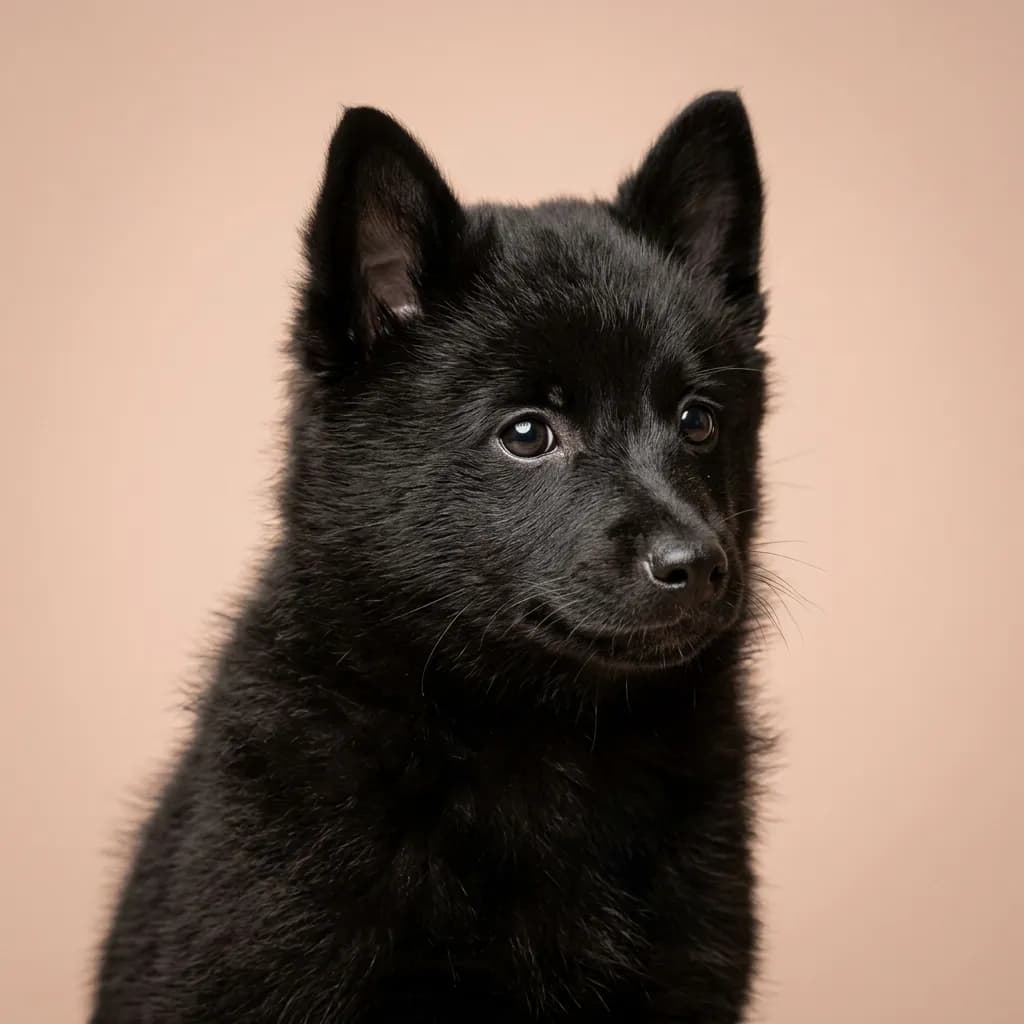
People compare Rhodesian Ridgebacks and Schipperkes because both are bold, independent breeds with a strong sense of presence—despite being polar opposites in size. At first glance, it’s confusing. One’s a lion-hunting African hound built like a tank; the other’s a tiny Belgian barge dog with a fox-like face and zero fear. But what ties them together is attitude. Neither backs down. Both need engaged owners. Yet choosing between them isn’t about preference for ridge versus ruff—it’s about lifestyle reality. The Ridgeback is a 75-pound athlete with a 10-year lifespan, built for miles on trails and loyal to a fault. You’ll want a yard, time for exercise, and experience reading dog body language. They’re calm indoors but need space to stretch. Great with older kids, they’re protective without being aggressive. But they’ll test you—they’re smart but stubborn, and they won’t obey just because you said so. The Schipperke, meanwhile, is a 12-pound whirlwind with a motor that never quits. Originally catching rats on boats, they’re alert, bark at everything, and thrive on routine. They bond deeply but can be sharp with young kids who don’t understand dog boundaries. You can live in a townhouse, but you’d better walk them daily and accept that “quiet” isn’t in their vocabulary. Here’s the truth beyond the stats: both breeds were built to work without constant human direction. That means they’re problem solvers—and if you don’t give them jobs, they’ll invent their own. A bored Ridgeback might redecorate your garden. A bored Schipperke will dismantle your slippers. Pick the Ridgeback if you hike, want a calm-in-the-house guardian, and have space. Pick the Schipperke if you love a bold character in a small package and don’t mind a watchdog with opinions. Just don’t pick either if you want a people-pleaser. These dogs respect leaders—they don’t just follow them.
Trait-by-trait
Higher bar = more of that trait. Shedding, barking, drooling, grooming flipped for readability.Where they diverge
Choose the Rhodesian Ridgeback if…
- Active experienced owners
- Running and hiking companions
- Families with older children
- You value good with young children — Rhodesian Ridgeback scores noticeably higher.
Choose the Schipperke if…
- Active owners
- Those wanting a small but bold breed
- Suburban or rural settings
- You value barking level — Schipperke scores higher here.