Rottweiler vs Tornjak
Side-by-side comparison across all 14 AKC trait ratings, with a clear verdict on which breed fits which kind of household.
Not sure which breed fits your life?
Answer five questions about your home, your schedule, and your tolerance for shedding. We’ll match you to your top three breeds from over 200.
Rottweiler vs Tornjak
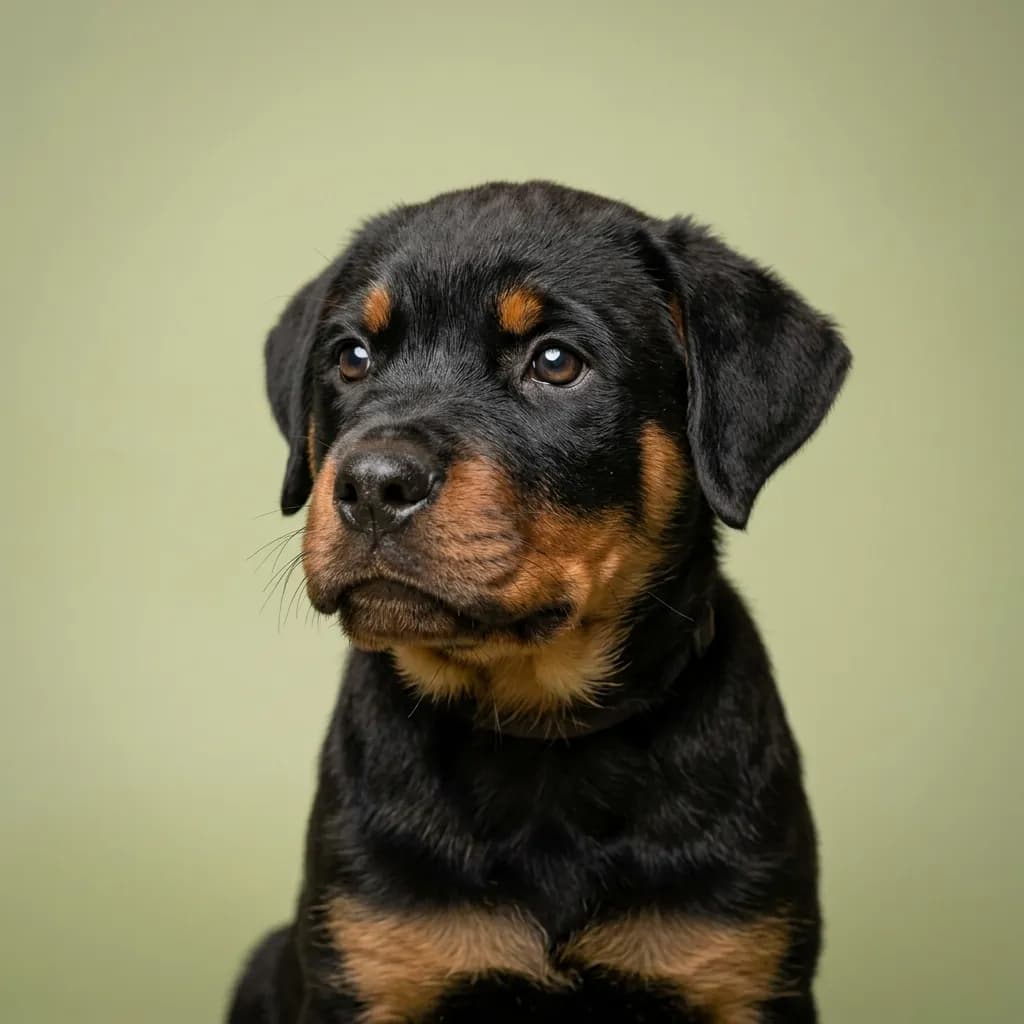
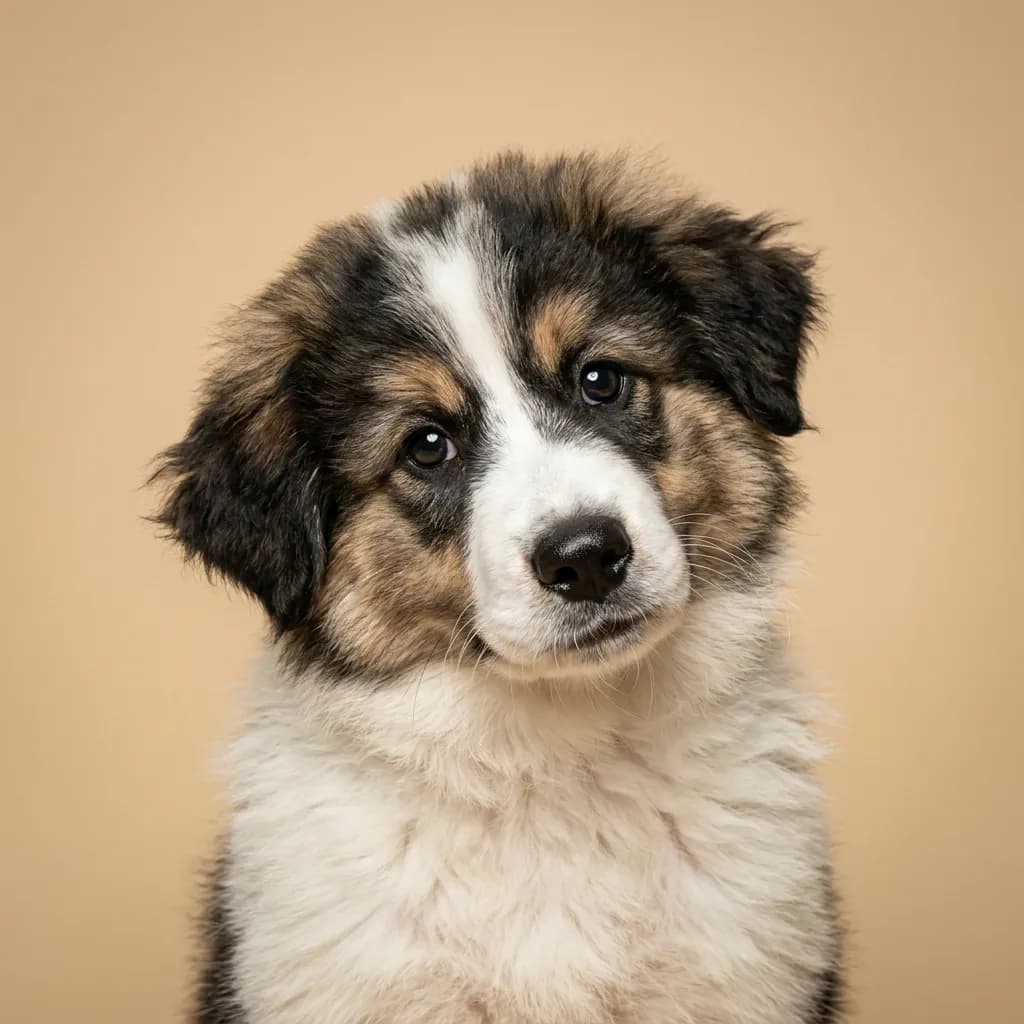
People don’t usually pit a Rottweiler against a Tornjak unless they’re deep in the large-breed guardian game and looking for something substantial, loyal, and capable of holding down a perimeter. Both are big, powerful dogs with jobs rooted in protecting—livestock, property, family—but how they go about it couldn’t be more different. The Rottweiler is the disciplined enforcer. Bred to move cattle and guard butcher carts in 19th-century Germany, this dog thrives on structure, precision, and a job that challenges both body and brain. You’ll see it in suburban homes with active families who know how to lead, or in protection sports where its trainability and focus shine. It’s not a yapper—it’s a watcher. Calm, steady, and deeply affectionate with its people, but always on. The trade-off? A shorter lifespan around 9 to 10 years, and health risks like bloat and osteosarcoma that demand vigilance. The Tornjak, on the other hand, is the rugged mountain sentinel. Hailing from the remote highlands of Bosnia and Croatia, it was built to patrol flocks alone, in snow and silence, for days. It's less about obedience drills and more about independent judgment. You don’t train a Tornjak the way you train a Rottweiler. You earn its cooperation. It’s less adaptable to city life, less polished in demeanor, but tougher in the elements and longer-lived (12 to 14 years). And yes, it sheds more and barks more—especially if something feels off on its turf. Here’s the real talk: if you want a dog that feels like a well-oiled machine, the Rottweiler fits. But if you’re okay with a little wildness, a dog that thinks for itself and bonds like a shadow, the Tornjak might be your match. Just know—neither forgives lazy leadership.
Trait-by-trait
Higher bar = more of that trait. Shedding, barking, drooling, grooming flipped for readability.Where they diverge
Choose the Rottweiler if…
- Experienced dog owners
- Active families
- Protection and working dog roles
- You value good with other dogs — Rottweiler scores noticeably higher.
Choose the Tornjak if…
- Experienced large-breed owners
- Farm or rural settings
- Livestock guardian needs
- You value barking level — Tornjak scores higher here.