Russian Tsvetnaya Bolonka vs Samoyed
Side-by-side comparison across all 14 AKC trait ratings, with a clear verdict on which breed fits which kind of household.
Not sure which breed fits your life?
Answer five questions about your home, your schedule, and your tolerance for shedding. We’ll match you to your top three breeds from over 200.
Russian Tsvetnaya Bolonka vs Samoyed
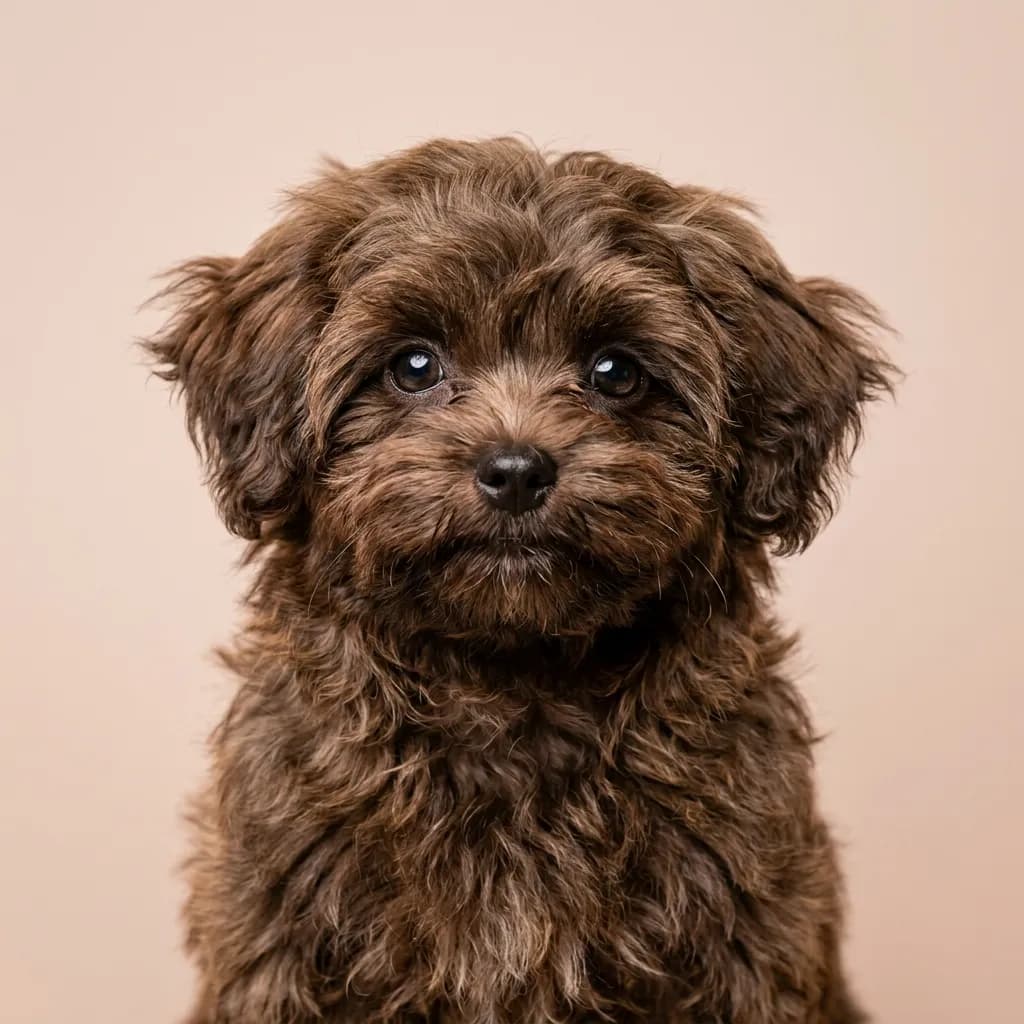
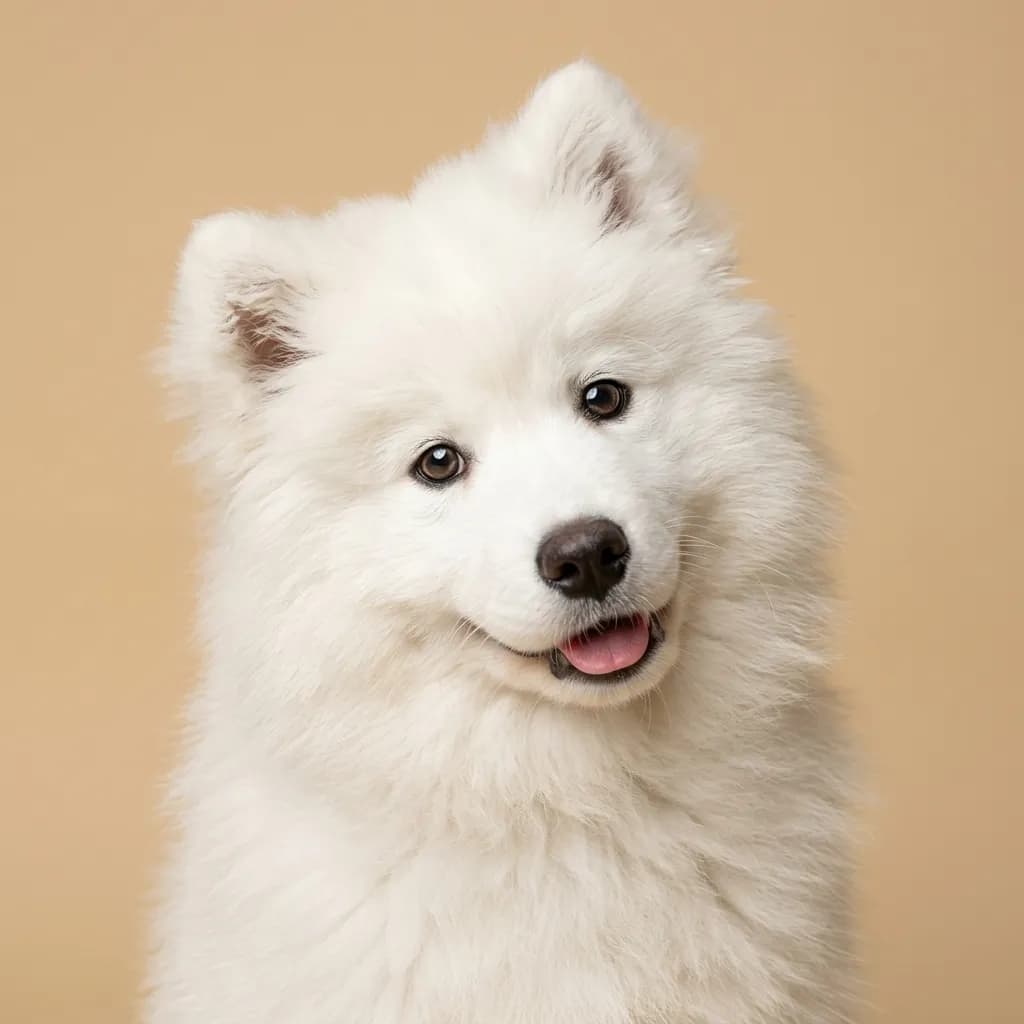
You’re probably not comparing a Russian Tsvetnaya Bolonka and a Samoyed because they look anything alike. One’s a tiny, curly-haired charmer that fits in your carry-on, the other a big, smiling, snow-white fluff monster that looks like it belongs on a Christmas card. But here’s why people end up weighing them: both are Russian, both are deeply affectionate, and both bond fiercely to their people. That emotional warmth fools you into thinking they’re similar. They’re not. The Bolonka is a city dog in a Siberian disguise. At under 11 pounds, it’s built for apartment living, thriving on companionship and gentle routines. It’s quiet in bursts—barks when it wants attention—but won’t demand hikes or yard time. You’ll spend more time brushing its low-shedding curls than worrying about energy, but don’t mistake calm for independence. This dog hates being left alone. It’s not great with rambunctious kids, but it’s perfect for someone who wants a velcro lapdog that’s easy on allergies. The Samoyed is the opposite. It’s a working dog with a joyful engine. Thirty-five pounds minimum, always smiling, always talking. It barks. A lot. It sheds year-round and blows its coat twice a year—think snowstorm in your living room. It needs space, cold weather, and jobs to do. But with active families, it’s unbeatable. It adores kids, strangers, other dogs—everyone. And that bark? It’s not just noise. It’s conversation. Here’s the insight no breeder tells you: both breeds suffer from hip dysplasia, but the real shared risk is loneliness. They’re not just dogs you own. They’re dogs that own you emotionally. Pick the Bolonka if your life is small and steady. Pick the Samoyed if your life is big and loud. But don’t get either if you’re ever really gone.
Trait-by-trait
Higher bar = more of that trait. Shedding, barking, drooling, grooming flipped for readability.Where they diverge
Choose the Russian Tsvetnaya Bolonka if…
- Apartment living
- Seniors
- Families with gentle children
- You value adaptability — Russian Tsvetnaya Bolonka scores noticeably higher.
Choose the Samoyed if…
- Active families
- Cold climate households
- Dog sports enthusiasts
- You value good with young children — Samoyed scores higher here.