Russian Tsvetnaya Bolonka vs Shikoku
Side-by-side comparison across all 14 AKC trait ratings, with a clear verdict on which breed fits which kind of household.
Not sure which breed fits your life?
Answer five questions about your home, your schedule, and your tolerance for shedding. We’ll match you to your top three breeds from over 200.
Russian Tsvetnaya Bolonka vs Shikoku
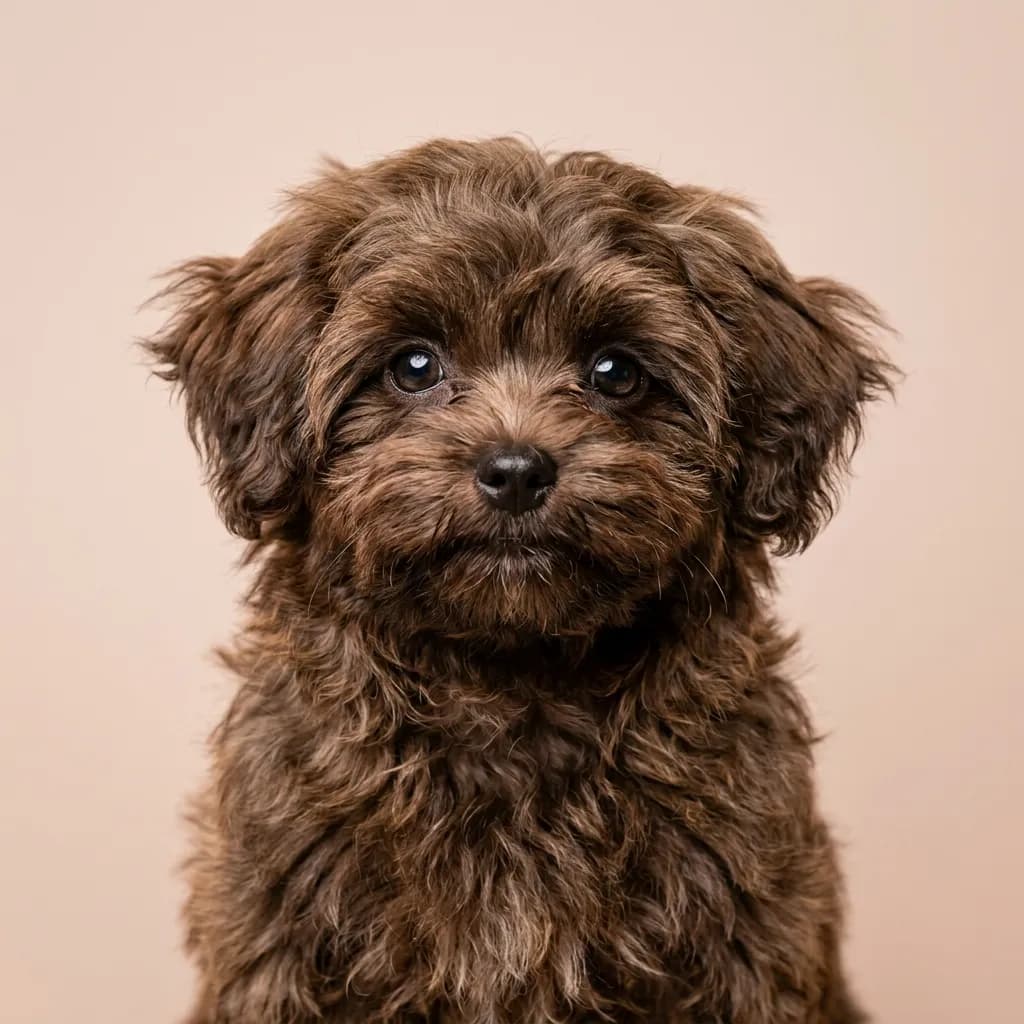
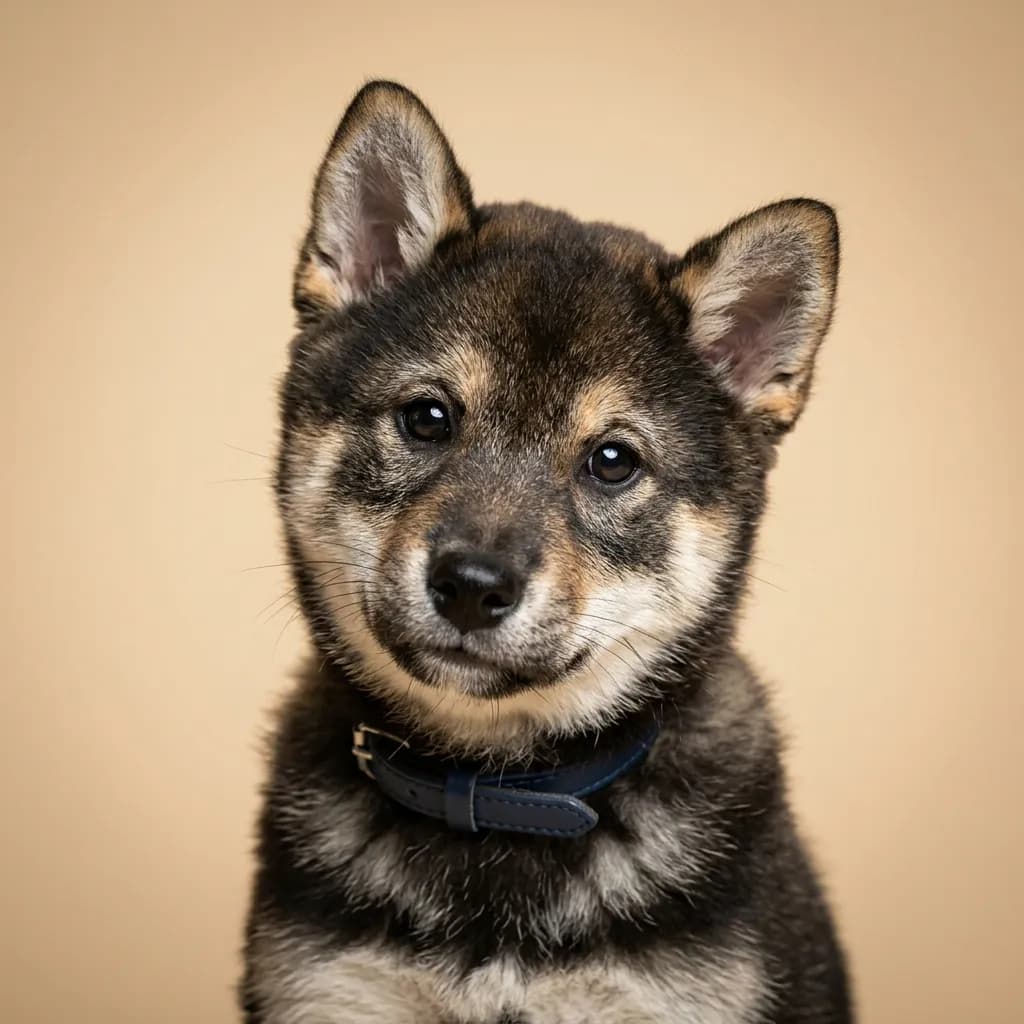
You don’t see a Russian Tsvetnaya Bolonka and a Shikoku walking into the same dog park often—because they’d likely want very different things from that outing. People compare them not because they look alike (they don’t), but because both are rare, both are foreign breeds with deep cultural roots, and both carry that "I’ve done my homework" appeal for dog lovers chasing something off the beaten path. But that’s where the similarities end. The Bolonka is the compact charmer, bred to be a lapdog for Soviet elites—soft, affectionate, and built for life in a city apartment. She’ll adapt to your schedule, bond fiercely with you, and yes, she’ll talk. A lot. You’ll pay for that sweetness with daily grooming and a need for company; leave her alone too long and she’ll protest with barks and chewed slippers. The Shikoku, by contrast, is a mountain dog at heart—wired to track, roam, and problem-solve. He’s not stubborn because he’s difficult; he’s independent because his job was hunting wild boar in rugged terrain where obedience meant survival, not compliance. He’ll bond deeply with one or two people but won’t be everyone’s best friend. He needs space, purpose, and secure fencing—because if he sees a squirrel move like prey, he’ll chase. Choose the Bolonka if you want a velcro dog who thrives on closeness and can handle city life. Pick the Shikoku if you’re experienced, active, and respect a dog that thinks for himself. Here’s the real insight: the Bolonka wants to be part of your life. The Shikoku wants a life of his own—one you help shape, but don’t control. Get that wrong, and no amount of cuteness or rarity will save the match.
Trait-by-trait
Higher bar = more of that trait. Shedding, barking, drooling, grooming flipped for readability.Where they diverge
Choose the Russian Tsvetnaya Bolonka if…
- Apartment living
- Seniors
- Families with gentle children
- You value adaptability — Russian Tsvetnaya Bolonka scores noticeably higher.
Choose the Shikoku if…
- Experienced dog owners
- Active outdoor enthusiasts
- Those wanting a primitive, independent breed
- You value shedding level — Shikoku scores higher here.