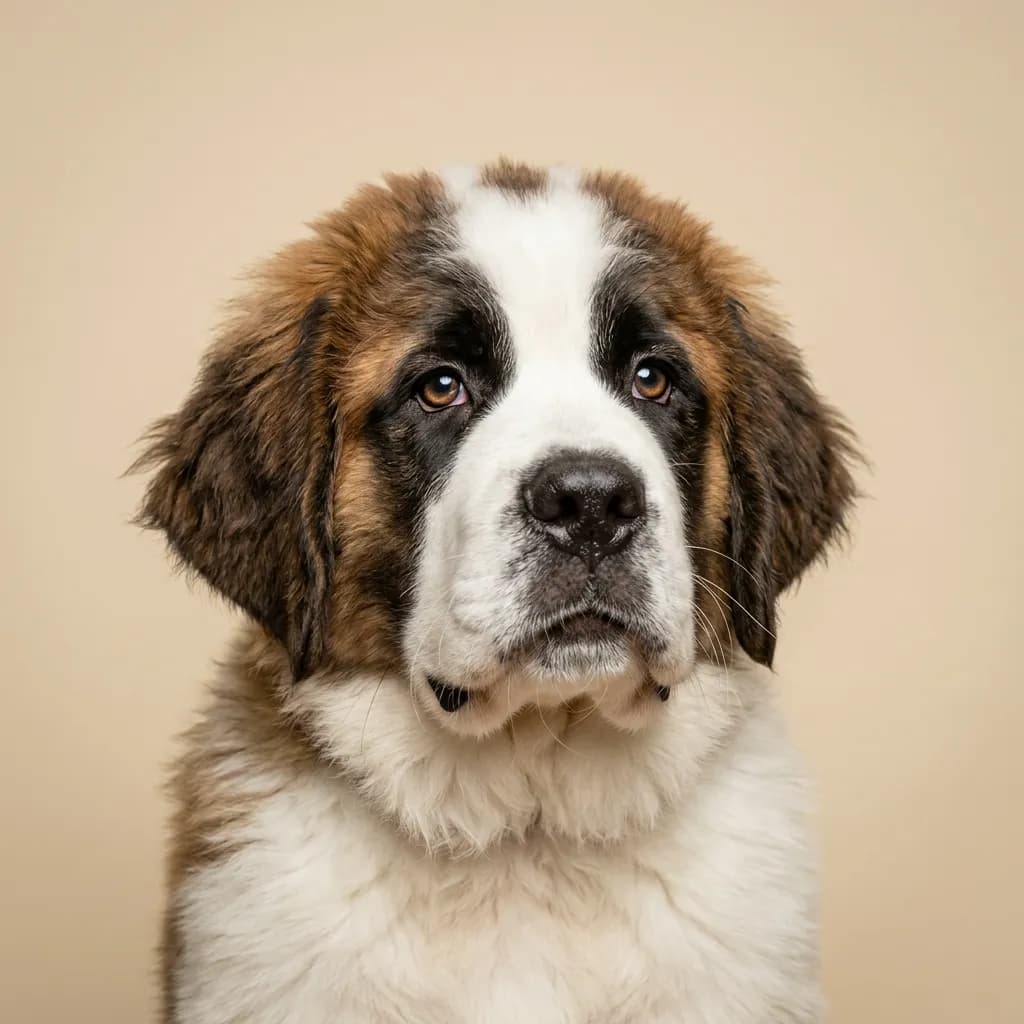
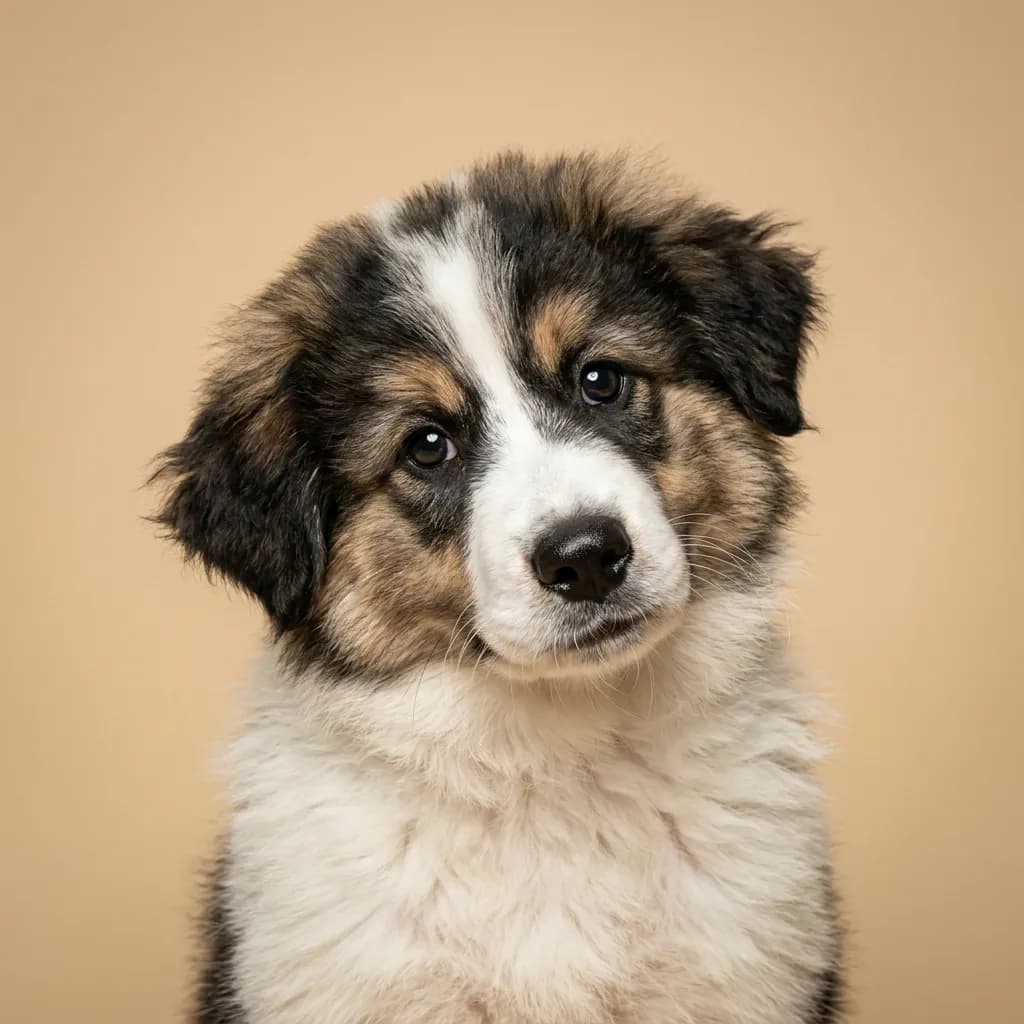
Saint Bernard vs Tornjak
Side-by-side comparison across all 14 AKC trait ratings, with a clear verdict on which breed fits which kind of household.
Not sure which breed fits your life?
Answer five questions about your home, your schedule, and your tolerance for shedding. We’ll match you to your top three breeds from over 200.
Saint Bernard vs Tornjak
You don’t see people weighing a Saint Bernard against a Tornjak every day. But if you’re standing in the cold, maybe on a farm or a sprawling piece of land, dreaming of a big, loyal dog that can handle snow and solitude, these two start to make sense. Both are mountain dogs. Both are built for cold. Both are calm with a kind of quiet strength. But they’re not the same kind of companion. The Saint Bernard is the gentle giant you’ve seen in cartoons, and honestly, it’s not far off. This dog wants to be near you, loves kids unconditionally, and will drool on your shoes like it’s part of the welcome routine. It’s adaptable in spirit—happy in a big backyard suburban home—but needs space, and it won’t last in an apartment or a hot climate. You’re signing up for slobber, shedding, and a shorter time together—8 to 10 years is typical. The Tornjak is different. It’s a guardian first. Bred to patrol sheep flocks in the Balkans, it’s more independent, more alert, and will bark when something’s off. It’s not as easygoing with kids or change, and it thrives where it has a job and wide boundaries. First-time owners might feel out of their depth. But you gain more time—12 to 14 years of loyalty—and a dog that’s deeply bonded, though more reserved in affection. Here’s the real talk: the Saint Bernard leans into you, emotionally and physically. The Tornjak stands beside you, watchful, ready to act without asking. If you want a family member who melts at your feet, go Saint Bernard. If you need a vigilant protector on a homestead and respect a little aloofness, the Tornjak’s your dog. Just don’t expect either to thrive in the city. These are mountain hearts. They need room to breathe—and winters with teeth.
Trait-by-trait
Higher bar = more of that trait. Shedding, barking, drooling, grooming flipped for readability.Where they diverge
Choose the Saint Bernard if…
- Families with children
- Those wanting a gentle giant
- Cold climate households
- You value good with young children — Saint Bernard scores noticeably higher.
Choose the Tornjak if…
- Experienced large-breed owners
- Farm or rural settings
- Livestock guardian needs
- You value barking level — Tornjak scores higher here.