Saluki vs Tornjak
Side-by-side comparison across all 14 AKC trait ratings, with a clear verdict on which breed fits which kind of household.
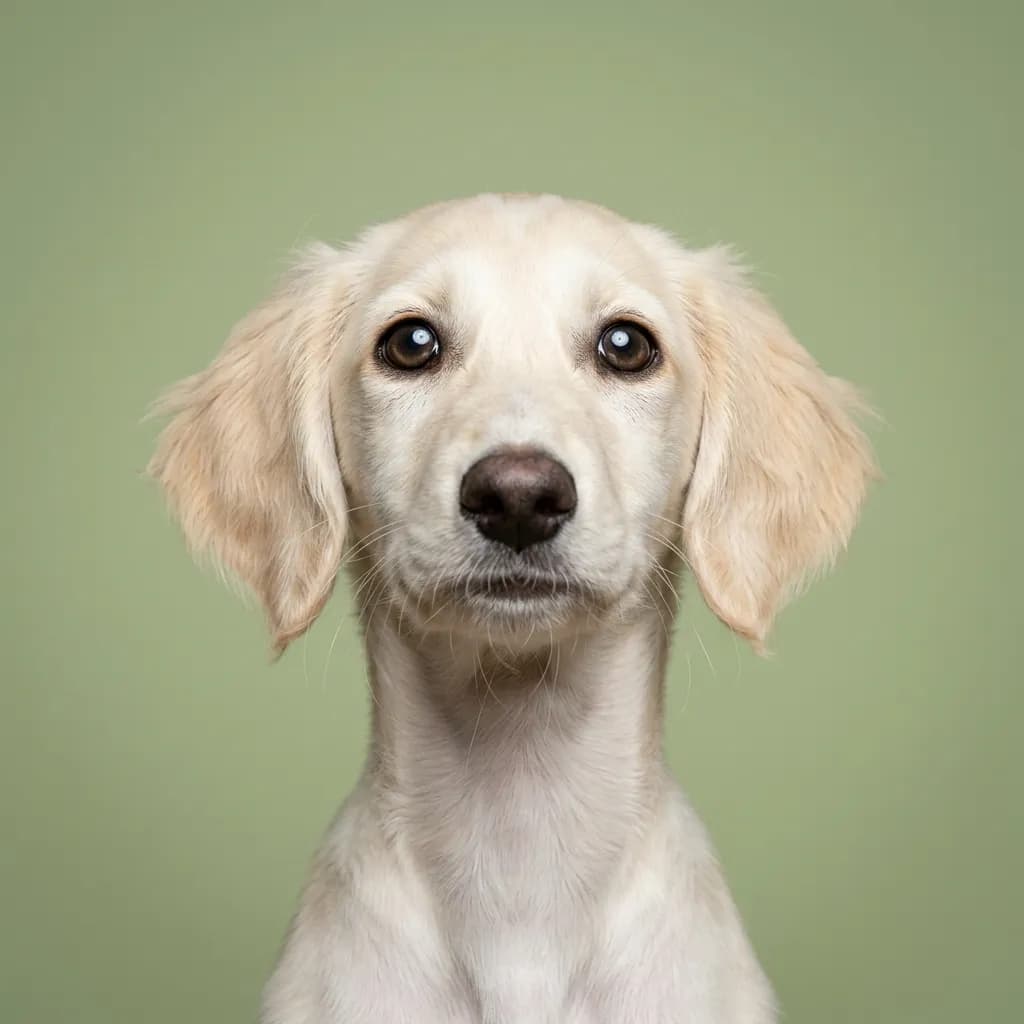
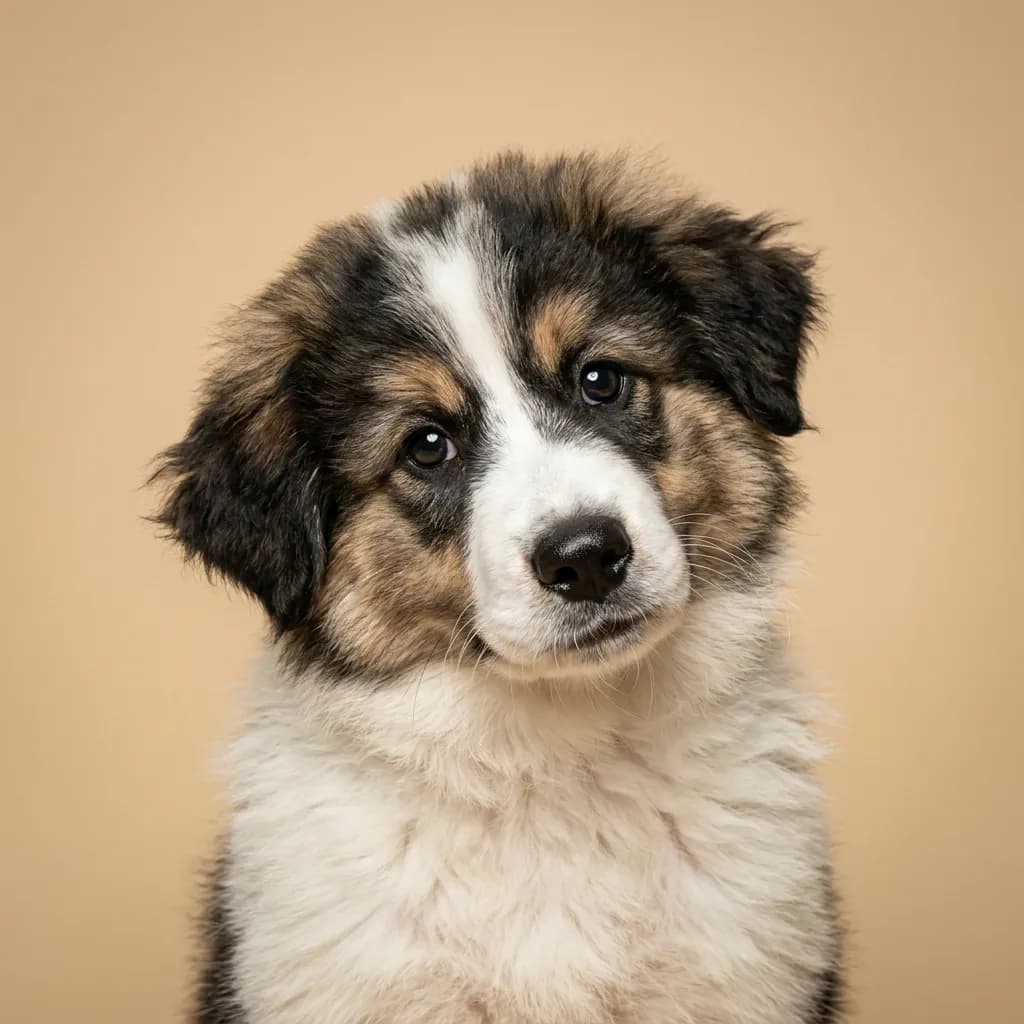
Not sure which breed fits your life?
Answer five questions about your home, your schedule, and your tolerance for shedding. We’ll match you to your top three breeds from over 200.
Saluki vs Tornjak
People don’t usually toss a Saluki and a Tornjak into the same mental bucket—on paper, they’re opposites. But somehow, they end up side by side in search histories, probably because both are rare, both are ancient, and both carry that quiet, almost regal air of dogs that remember a time before suburbs. If you’re drawn to the unusual and you’ve got space, you might be weighing these two. Don’t be fooled by the similar height. This isn’t a close fight—it’s two entirely different jobs, two different hearts. The Saluki is desert poetry. Lean, fast, built for chasing gazelle under open skies. It’s a dog that runs like wind and loves quietly, curling at your feet after a sprint. It won’t bark much, but it will vanish if the gate’s left open—this isn’t defiance, just instinct. You need a yard that’s fortress-secure and a lifestyle that includes long runs or lure coursing. It’s not a couch potato, but it’s also not a chatterbox. It’s the dog for someone who values elegance, independence, and a deep, silent bond. The Tornjak? That’s your mountain fortress. Bred to guard flocks in the Balkans, it’s bigger, heavier, built for cold and terrain. It’s loyal and alert, but not eager to please in a textbook way. Training takes patience. It sheds—seasonally, heavily—and needs space, but not speed. It thrives where there’s property to patrol, not pavement to sprint on. Here’s the real difference beyond the stats: the Saluki trusts you to keep it safe. The Tornjak believes it’s the one keeping you safe. Pick based on role. Want a graceful companion who runs like history? Saluki. Need a vigilant guardian with presence and patience? Tornjak. Neither forgives poor fencing. Both demand experience. And neither will survive being treated like a trend.
Trait-by-trait
Higher bar = more of that trait. Shedding, barking, drooling, grooming flipped for readability.Where they diverge
Choose the Saluki if…
- Active owners with running space
- Experienced sighthound owners
- Those wanting an elegant, quiet breed
- You value good with other dogs — Saluki scores noticeably higher.
Choose the Tornjak if…
- Experienced large-breed owners
- Farm or rural settings
- Livestock guardian needs
- You value watchdog / protective — Tornjak scores higher here.