Samoyed vs Shiba Inu
Side-by-side comparison across all 14 AKC trait ratings, with a clear verdict on which breed fits which kind of household.
Not sure which breed fits your life?
Answer five questions about your home, your schedule, and your tolerance for shedding. We’ll match you to your top three breeds from over 200.
Samoyed vs Shiba Inu
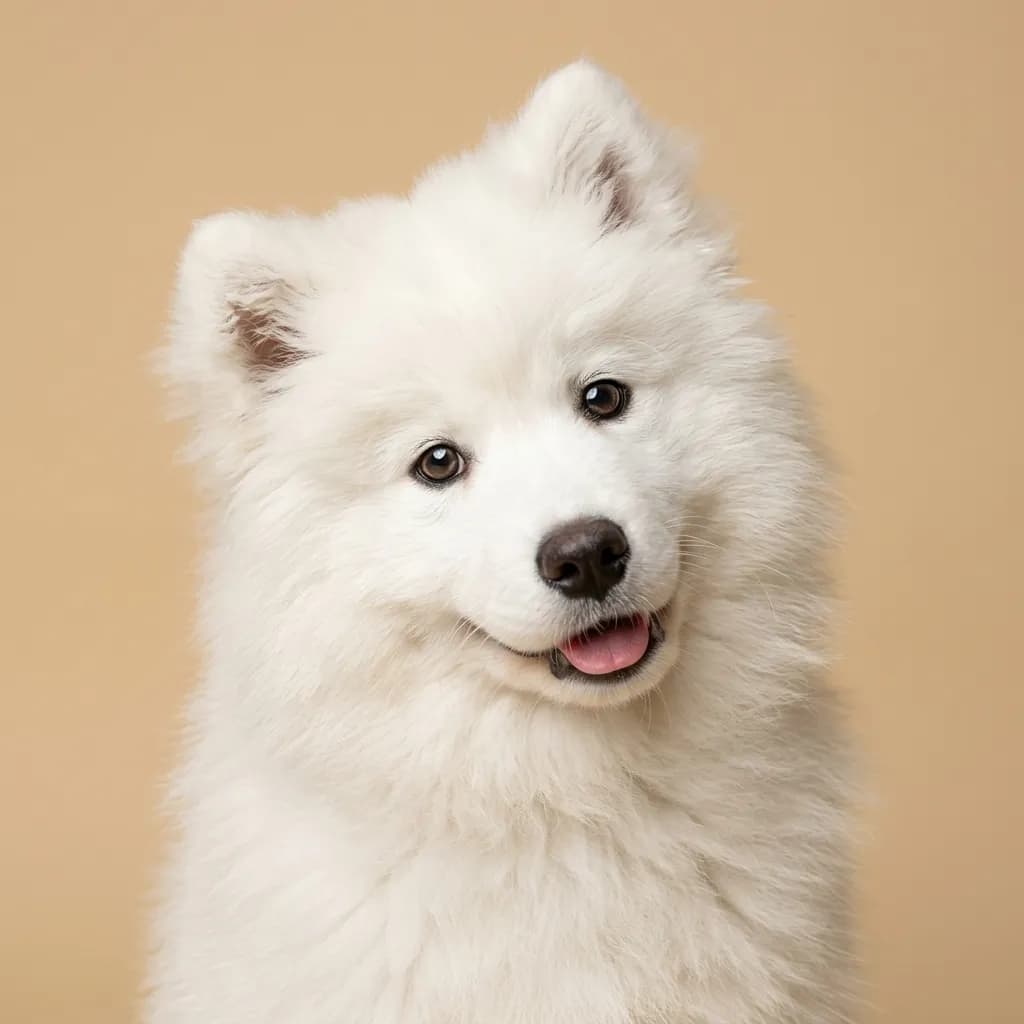
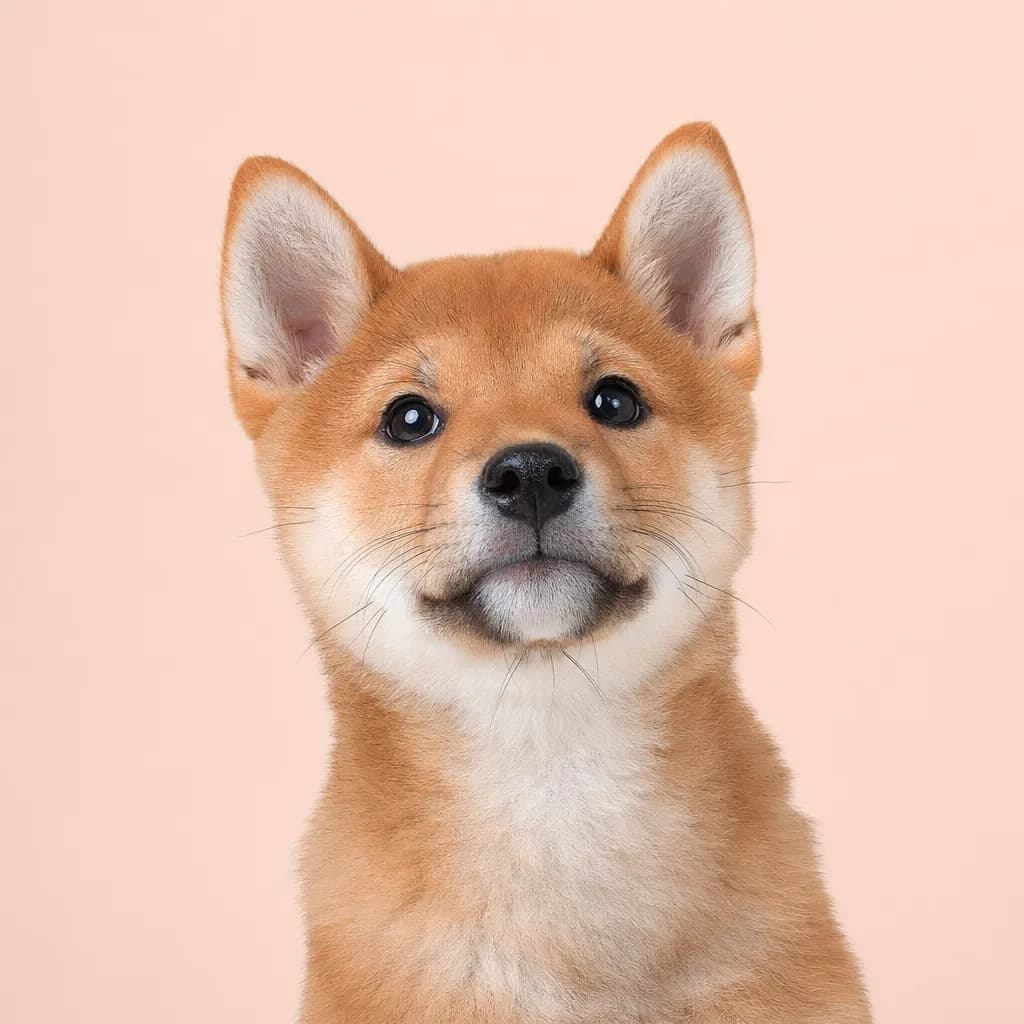
You’re probably comparing a Samoyed and a Shiba Inu because they’re both fluffy, fox-faced dogs that look like they stepped out of a snow globe. But that’s where the similarity ends—this isn’t a choice between two cute faces. It’s a lifestyle decision disguised as a breed comparison. The Samoyed is the social butterfly with a permanent smile. You’ll bring this dog to family gatherings, pack it into dog-friendly cafes, and count on it being gentle with kids and grandmas alike. It’s eager to please, energetic enough for weekend hikes, and loud enough that you’ll know if a leaf blows across the yard. But don’t be fooled by the angelic face—this dog barks like it’s paid by the hour, and that glorious white coat demands brushing every other day unless you enjoy living in a fur tornado. You’ll need cold winters, time, and a love for attention. This isn’t a dog that blends into the background. The Shiba Inu, on the other hand, is the aloof roommate who tolerates your presence. Independent to a fault, it’s affectionate on its own terms, often described as cat-like. It’s cleaner, quieter, and far more manageable in warm climates. But don’t expect obedience school success stories. Shiba Inus have opinions—and they stick to them. Training takes patience, consistency, and a sense of humor. They’re not ideal with small kids or pets, and off-leash freedom is a pipe dream unless you enjoy chasing a red fox-colored escape artist. Here’s the real insight: Samoyeds thrive when they’re part of everything. Shiba Inus love you—but they don’t need you. Pick the Samoyed if you want a devoted, outgoing partner in a busy household. Pick the Shiba if you appreciate a dog with strong opinions and a quiet dignity, and you’re experienced enough to earn its respect.
Trait-by-trait
Higher bar = more of that trait. Shedding, barking, drooling, grooming flipped for readability.Where they diverge
Choose the Samoyed if…
- Active families
- Cold climate households
- Dog sports enthusiasts
- You value good with young children — Samoyed scores noticeably higher.
Choose the Shiba Inu if…
- Experienced dog owners
- Those wanting a cat-like independence
- Active owners
- You value watchdog / protective — Shiba Inu scores higher here.