Samoyed vs Shikoku
Side-by-side comparison across all 14 AKC trait ratings, with a clear verdict on which breed fits which kind of household.
Not sure which breed fits your life?
Answer five questions about your home, your schedule, and your tolerance for shedding. We’ll match you to your top three breeds from over 200.
Samoyed vs Shikoku
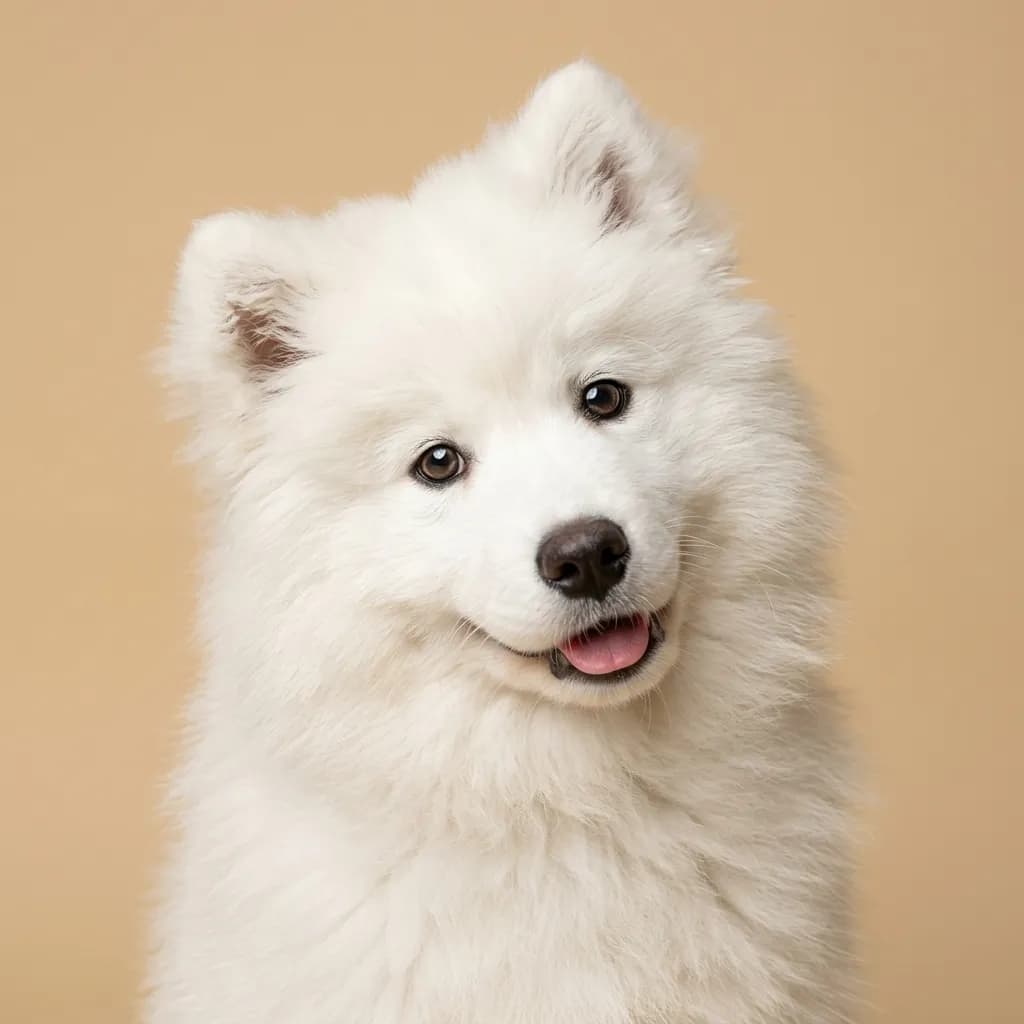
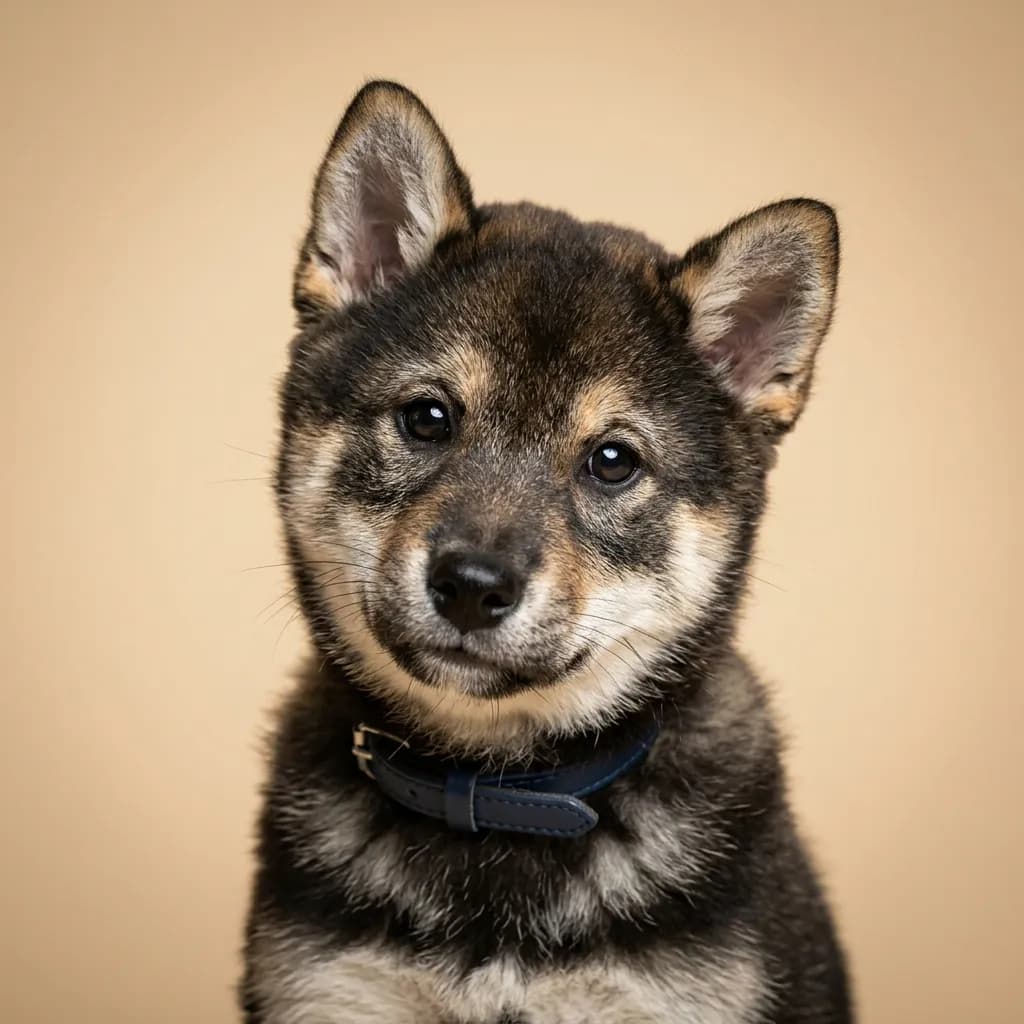
People often compare Samoyeds and Shikokus because they’re both medium-sized, spitz-type dogs with thick double coats and fox-like faces. At a glance, they look like distant cousins. But spend five minutes with each, and you’ll realize they’re built for entirely different worlds. The Samoyed is the friendly greeter of the dog world. Bred to work alongside humans in the brutal cold of Siberia, they thrive on connection. You’ll find them smiling at strangers, cuddling with kids, and barking—constantly. That 5/5 barking isn’t a typo. They’ll alert you to a leaf blowing down the street. If you want a dog that’s part family member, part social butterfly, and don’t mind a high-grooming, high-noise companion, the Samoyed fits like a well-worn mitten. They’re adaptable in temperament but need cold climates or serious air conditioning to stay comfortable. The Shikoku is the quiet observer. Less eager to please, more tuned into the wild instincts of their ancestors. They’re not unfriendly, but they’re selective. This isn’t the dog to leave alone in a suburban backyard all day. They need space, purpose, and an owner who understands that “trainability: 3/5” means they’ll follow commands when they see fit. Bred to track game in mountainous terrain, they’re alert, agile, and independent. Small pets? Probably not a great mix. A first-time owner? Not ideal. Here’s the real insight: Samoyeds want to join your life. Shikokus want to be partners in an adventure. One is a companion first. The other is a hunter at heart. Choose the Samoyed if you want love, laughter, and a dog that’s always in the middle of the action. Choose the Shikoku if you’re ready for a deeper, more reserved bond—and don’t mind that your dog might occasionally act like they’re plotting a solo trek through the woods.
Trait-by-trait
Higher bar = more of that trait. Shedding, barking, drooling, grooming flipped for readability.Where they diverge
Choose the Samoyed if…
- Active families
- Cold climate households
- Dog sports enthusiasts
- You value affectionate w/ family — Samoyed scores noticeably higher.
Choose the Shikoku if…
- Experienced dog owners
- Active outdoor enthusiasts
- Those wanting a primitive, independent breed