Samoyed vs Skye Terrier
Side-by-side comparison across all 14 AKC trait ratings, with a clear verdict on which breed fits which kind of household.
Not sure which breed fits your life?
Answer five questions about your home, your schedule, and your tolerance for shedding. We’ll match you to your top three breeds from over 200.
Samoyed vs Skye Terrier
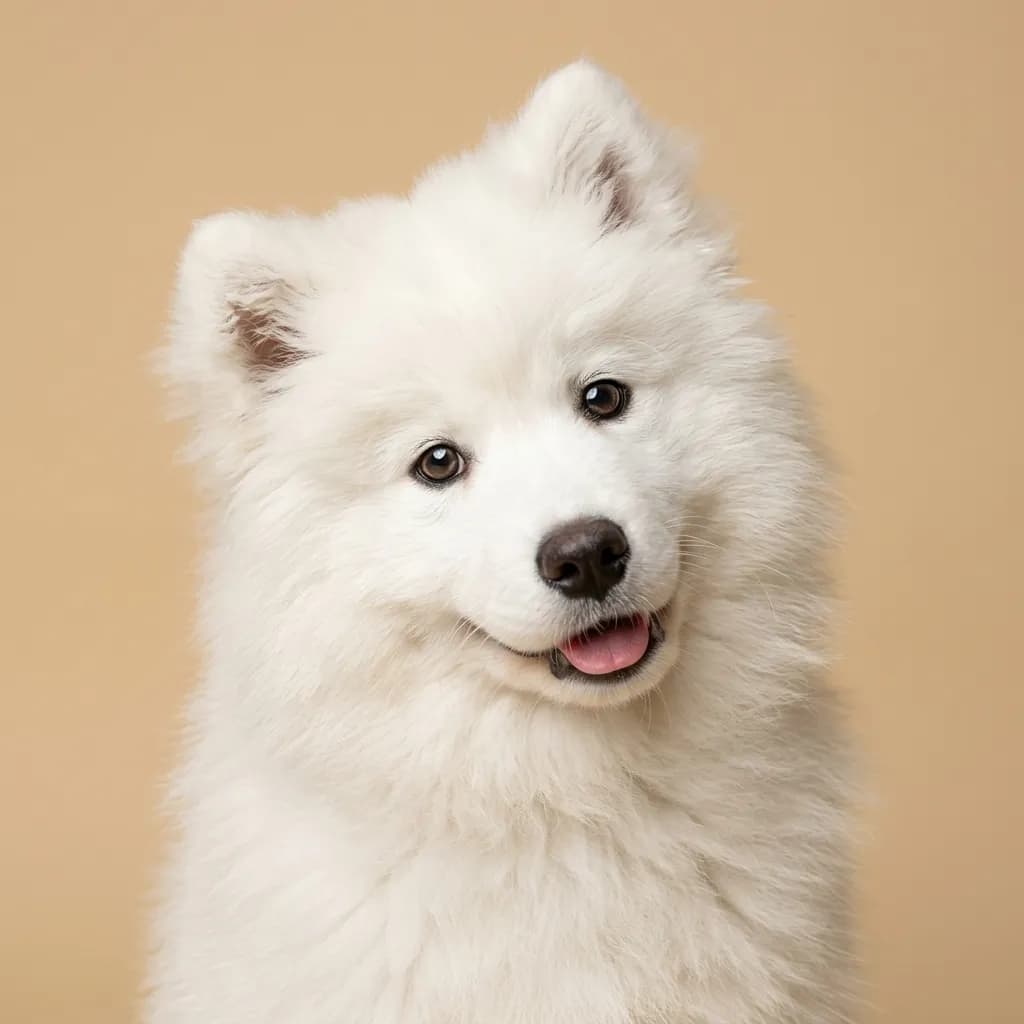
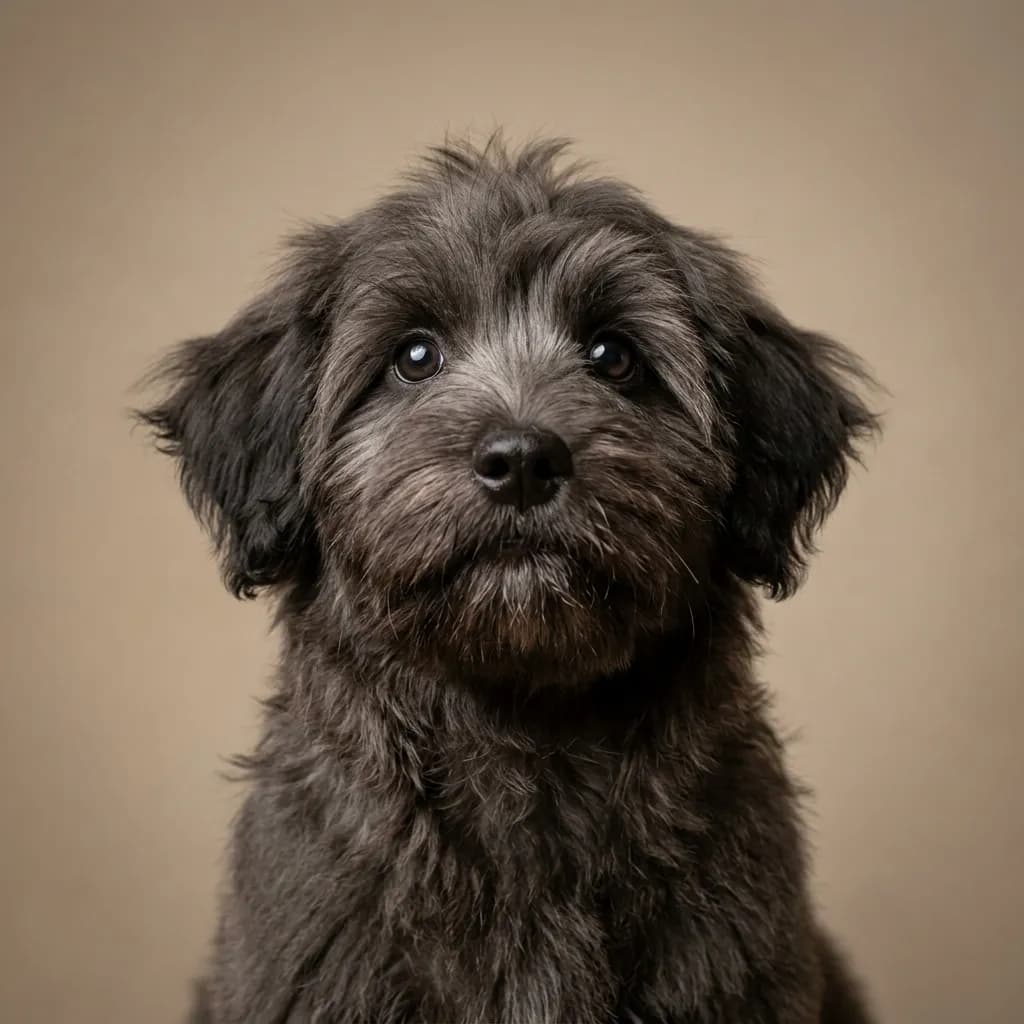
People compare Samoyeds and Skye Terriers because they’re both fluffy, white-friendly looking dogs with long coats that scream “gentle soul.” But don’t let the fluff fool you. These breeds come from entirely different worlds, both literally and temperamentally. One was built for the Arctic tundra, the other for rocky Scottish cliffs. And once you live with either, you realize that coat length is about the only thing they truly share. The Samoyed is the extrovert at every dog park. They’re loud, social, and built for action. If you’re hiking, sledding, or just want a dog that greets every child and stranger with a smile, the Samoyed thrives. They demand attention, need exercise, and bark like they’ve got something to prove. Grooming is a part-time job, but they’ll make you pay for it in slobber and noise. They’re the breed you get when you want a dog who feels like part of a big, loud family. The Skye Terrier? They’re the quiet one in the corner who only opens up to you. Devoted, yes. Affectionate with their people, absolutely. But they’re not handing out love to everyone. They’re low-energy, stubborn in that terrier way, and happiest on a quiet street or in a home without constant chaos. They’ll follow you from room to room, but won’t jump on guests. They’re better suited for calm households where routine matters more than adventure. Here’s the insight no chart tells you: Samoyeds need a job or they’ll invent one—like howling at 5 a.m. for fun. Skye Terriers don’t care about your schedule, but they’ll dig through your garden if bored. Both need grooming, but the Skye’s loyalty is quieter, deeper, earned over time. Pick a Samoyed if you want joy in dog form. Pick a Skye Terrier if you want a stoic, soft-hearted companion who’s seen things.
Trait-by-trait
Higher bar = more of that trait. Shedding, barking, drooling, grooming flipped for readability.Where they diverge
Choose the Samoyed if…
- Active families
- Cold climate households
- Dog sports enthusiasts
- You value good with young children — Samoyed scores noticeably higher.
Choose the Skye Terrier if…
- Experienced terrier owners
- Adults and older children households
- Those wanting a loyal, devoted breed