Samoyed vs Swedish Vallhund
Side-by-side comparison across all 14 AKC trait ratings, with a clear verdict on which breed fits which kind of household.
Not sure which breed fits your life?
Answer five questions about your home, your schedule, and your tolerance for shedding. We’ll match you to your top three breeds from over 200.
Samoyed vs Swedish Vallhund
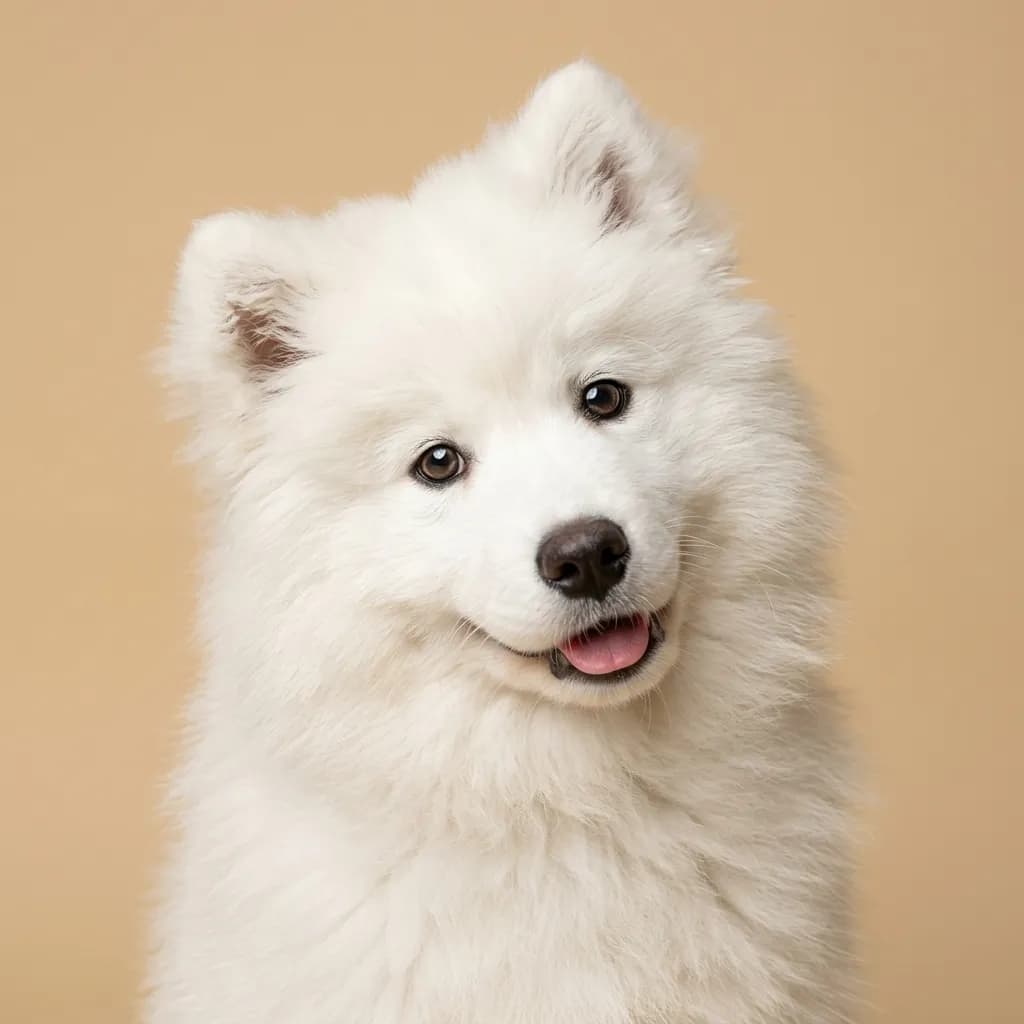
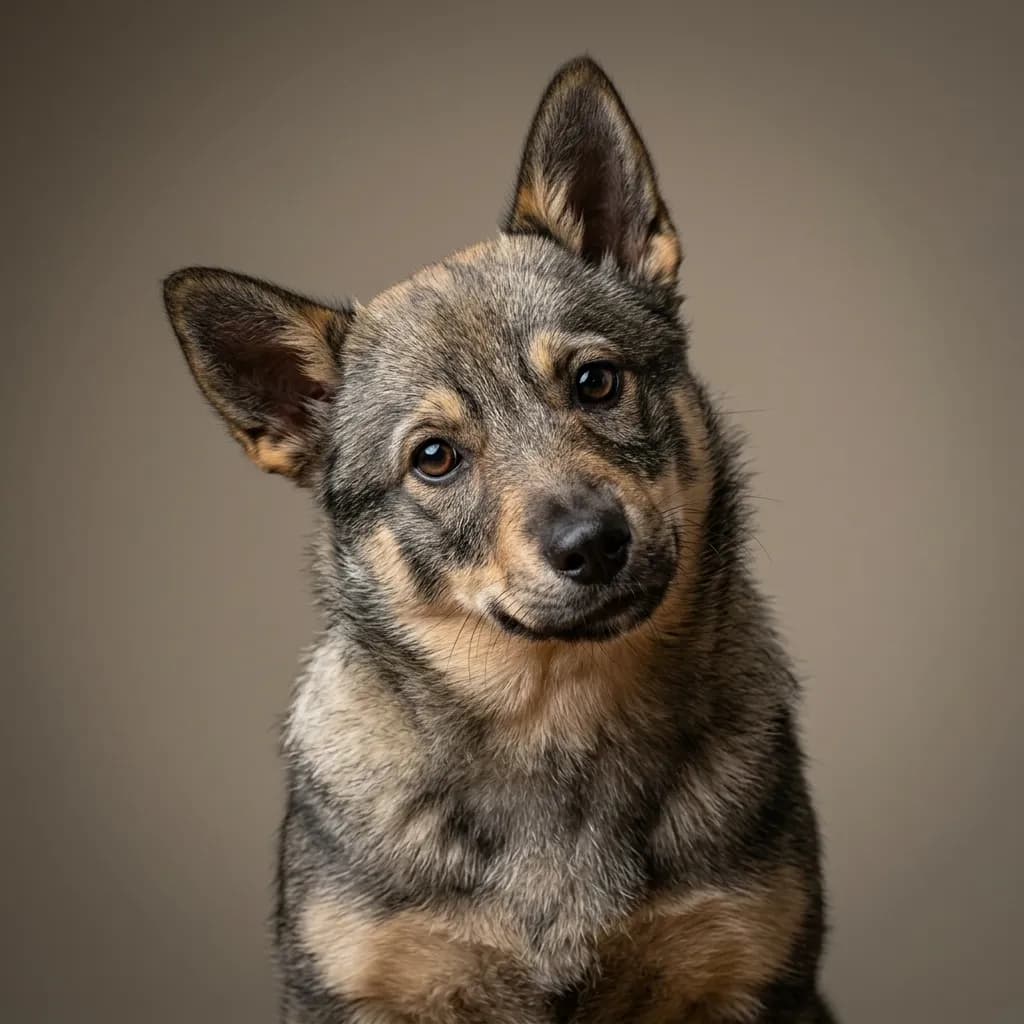
People compare Samoyeds and Swedish Vallhunds because both are friendly, family-oriented herding breeds with big personalities and a knack for getting under your skin in the best way. But that’s where the similarities fade fast. Choosing between them isn’t just about size or coat—it’s about lifestyle rhythm and what kind of chaos you’re ready for. The Samoyed is a snowflake with lungs. That thick, plush white coat and joyful grin hide a dog built for Arctic endurance and nonstop conversation. You’ll get a 50-pound, perpetually grinning companion who wants to be part of everything and will tell you about it—constantly. Barking isn’t a trait, it’s a full-time job. They thrive in cold climates and active homes that can commit to daily brushing and winter-level outdoor adventures. If you love dog sports, hiking, or just having a velcro dog that doubles as a living parka, this is your breed. The Swedish Vallhund is the scrappy underdog. Low to the ground with a fox-like face and boundless energy, this 25-pound Viking-era herder is agile, clever, and way more independent. He’ll herd your kids around the house, yes, but he won’t demand to be carried in your arms afterward. He sheds plenty but grooms easier, and while he’s vocal, he’s not obsessive. He fits better in small homes or warmer zones—but only if you’re moving as much as he is. Here’s the real difference: Samoyeds need emotional inclusion like oxygen. Vallhunds need jobs. One will break your heart with his neediness if ignored. The other will start organizing your shoes into patterns. Pick the Samoyed if you want a devoted, chatty soulmate. Pick the Vallhund if you want a tough little sidekick who’s always ready to work, play, or outthink you.
Trait-by-trait
Higher bar = more of that trait. Shedding, barking, drooling, grooming flipped for readability.Where they diverge
Choose the Samoyed if…
- Active families
- Cold climate households
- Dog sports enthusiasts
- You value good with strangers — Samoyed scores noticeably higher.
Choose the Swedish Vallhund if…
- Active families
- Dog sports enthusiasts
- First-time dog owners willing to train
- You value shedding level — Swedish Vallhund scores higher here.