Schapendoes vs Shetland Sheepdog
Side-by-side comparison across all 14 AKC trait ratings, with a clear verdict on which breed fits which kind of household.
Not sure which breed fits your life?
Answer five questions about your home, your schedule, and your tolerance for shedding. We’ll match you to your top three breeds from over 200.
Schapendoes vs Shetland Sheepdog
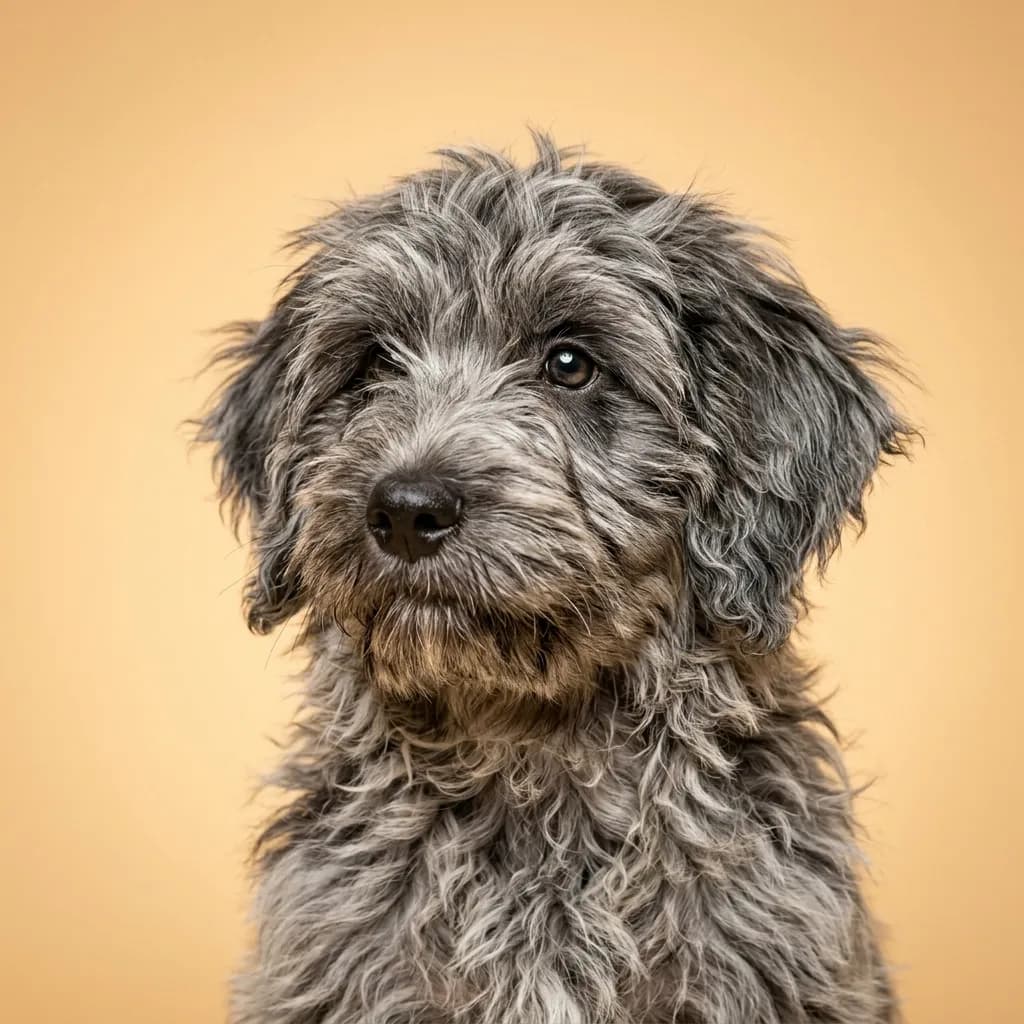
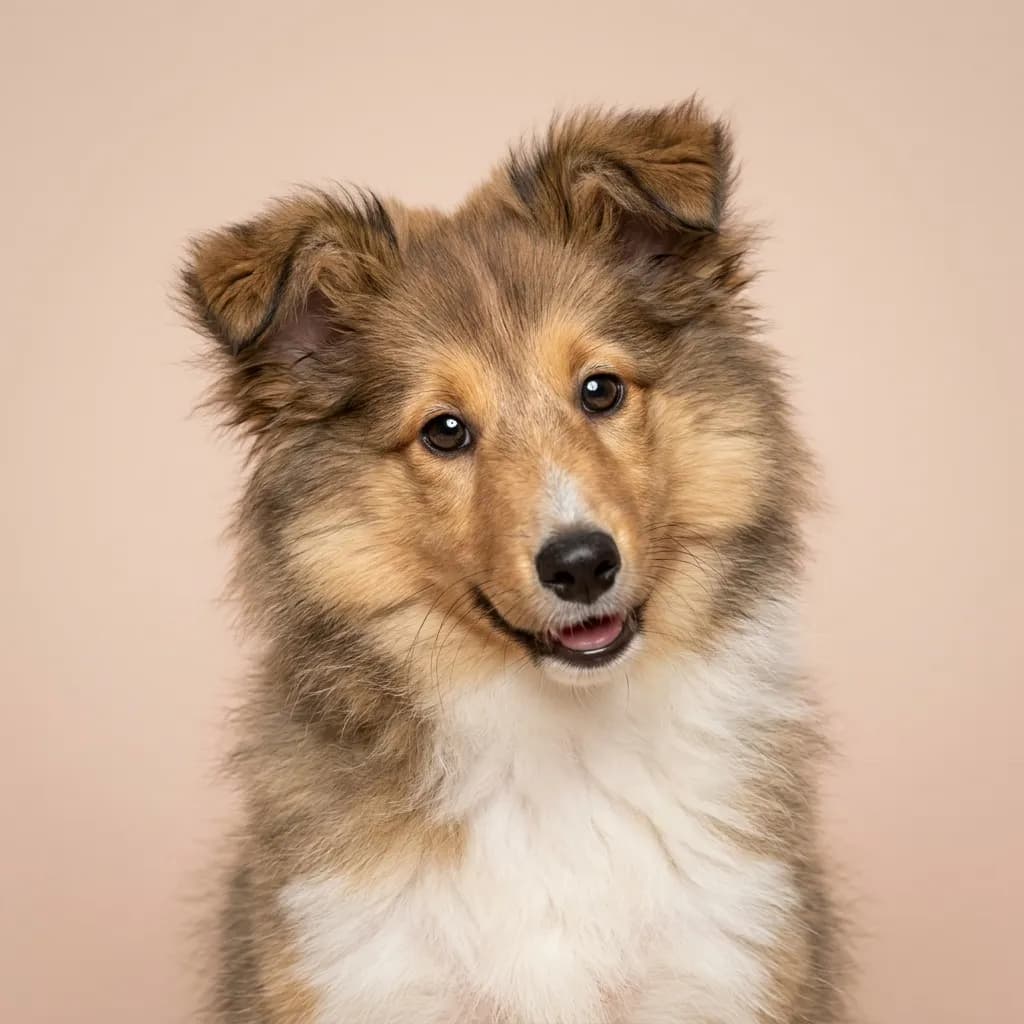
You’re probably comparing a Schapendoes and a Shetland Sheepdog because both are fluffy, agile herders with a sparkle in their eye and a love for doing things with their people. They look like distant cousins at the dog park—both lively, both smart, both built for action. But beneath that similar energy lies a real difference in size, sound, and substance. The Schapendoes is the bigger, rangier athlete of the two. At up to 55 pounds, this Dutch farm dog needs space and purpose. You’ll love their goofy, affectionate charm and their eagerness to learn, but don’t expect quiet evenings. They’re built for open fields, agility courses, and owners who don’t mind brushing out that long, tousled coat several times a week. They’re not the best fit if your idea of exercise is walking to the fridge. The Sheltie, on the other hand, packs all that herding drive into a compact 25-pound frame. They adapt to suburban life better, but fair warning: they talk. A lot. That barking instinct runs deep, and if you’re noise-sensitive, it’ll wear you down. But they’re incredibly gentle with kids and deeply loyal, making them ideal for families who want a watchful, responsive companion. Here’s the real insight: the Schapendoes thrives when it has a job that makes it physically tired. The Sheltie needs its brain worn out. Neglect either, and you’ll come home to creative destruction. Choose the Schapendoes if you want a rugged partner for outdoor adventures. Choose the Sheltie if you want a sensitive, intuitive shadow who excels in structured environments—and don’t mind a four-legged commentator on everything you do.
Trait-by-trait
Higher bar = more of that trait. Shedding, barking, drooling, grooming flipped for readability.Where they diverge
Choose the Schapendoes if…
- active families
- agility and herding sport enthusiasts
- experienced herding breed owners
- You value drooling level — Schapendoes scores noticeably higher.
Choose the Shetland Sheepdog if…
- Families with children
- Active owners
- Dog sports enthusiasts
- You value good with young children — Shetland Sheepdog scores higher here.