Schapendoes vs Spanish Mastiff
Side-by-side comparison across all 14 AKC trait ratings, with a clear verdict on which breed fits which kind of household.
Not sure which breed fits your life?
Answer five questions about your home, your schedule, and your tolerance for shedding. We’ll match you to your top three breeds from over 200.
Schapendoes vs Spanish Mastiff
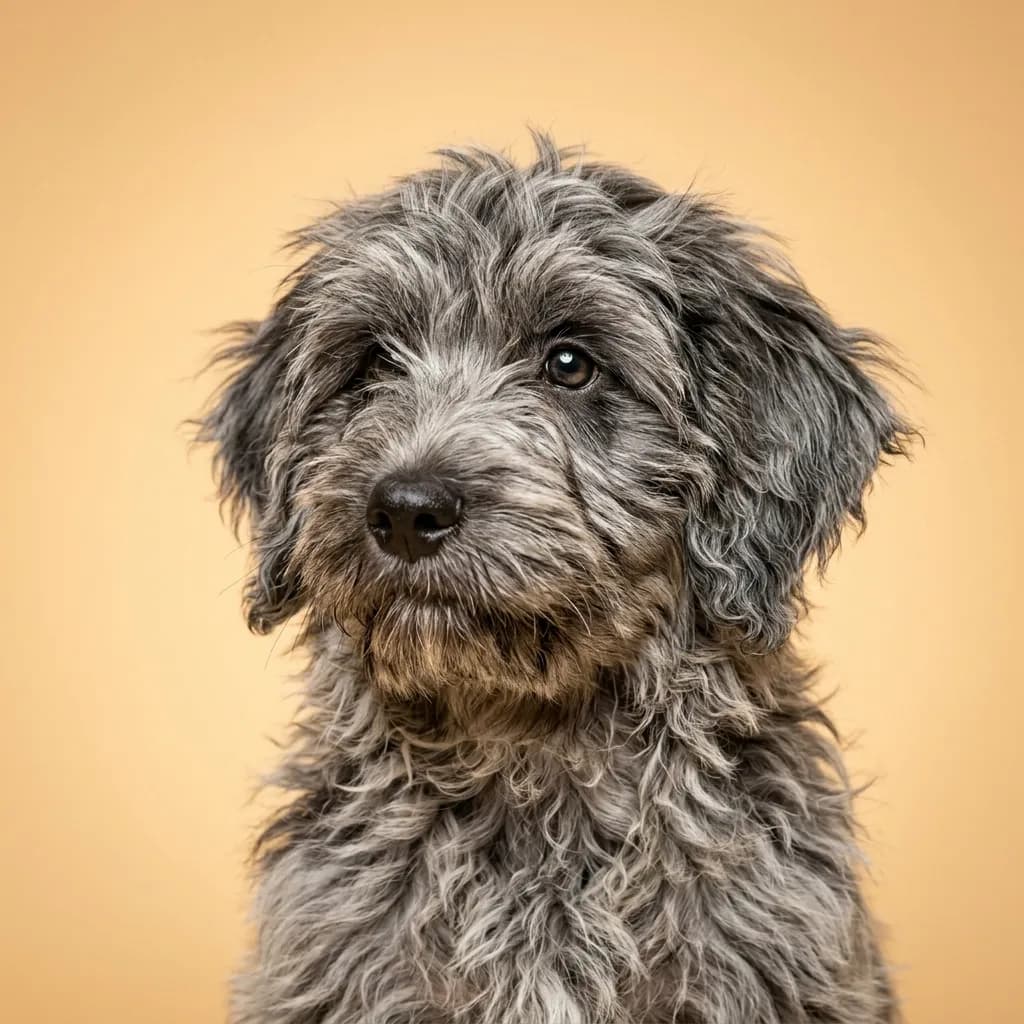
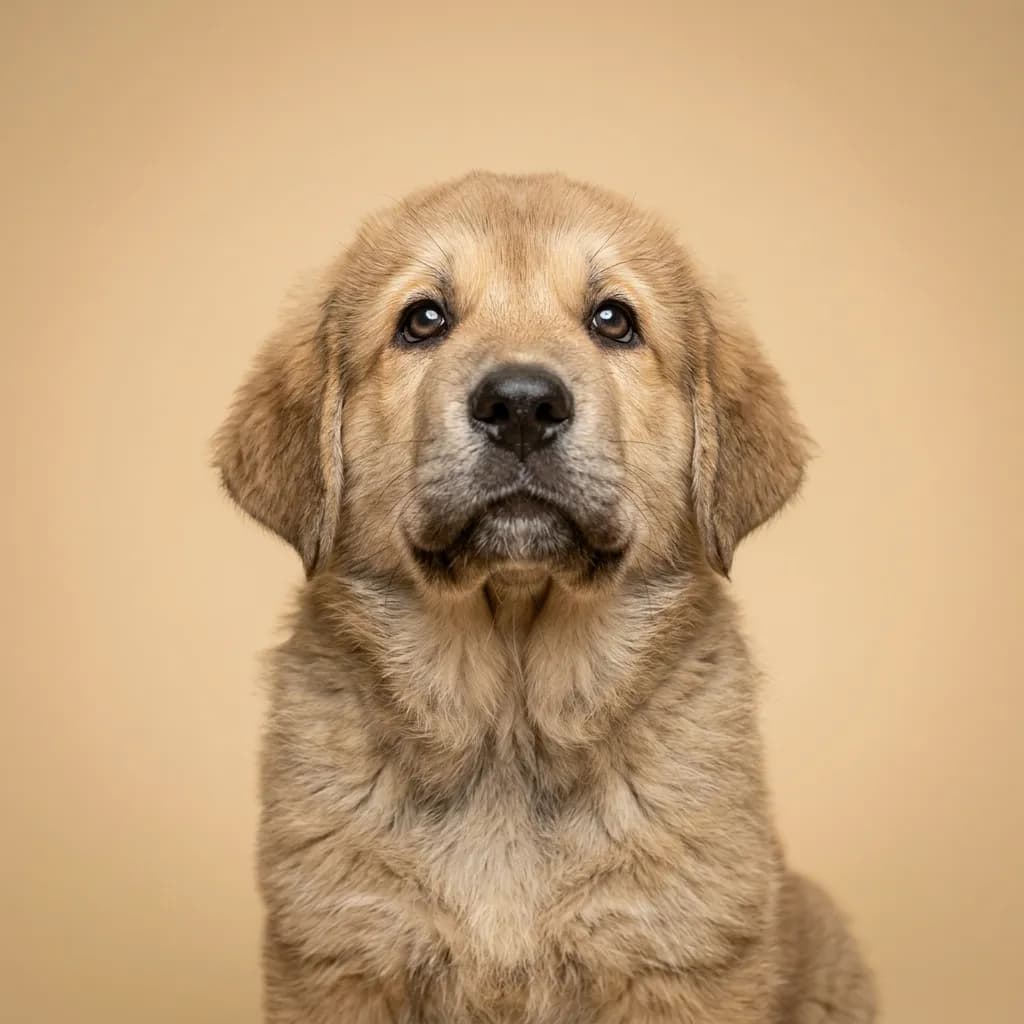
You don’t see people lining up to choose between a Schapendoes and a Spanish Mastiff very often. One’s a sprightly, mop-haired herder from the Dutch lowlands, the other a massive, lion-hearted guardian from the wilds of Spain. But if you’re deep in the dog world—maybe you’ve got land, a love for rare breeds, or a hankering for a dog with real purpose—these two can surface together. Both are rare in the U.S., both are livestock workers at heart, and both bring serious commitment. But that’s where the similarities end. The Schapendoes is your lively partner in adventure. Think of a dog that wants to hike, compete, learn tricks, and still squeeze onto the couch—just don’t expect silence or a short grooming session. They’re agile, quick-thinking, and eager to please, thriving with active owners who can channel that 4/5 energy. They’re also surprisingly adaptable, fitting into rural or suburban life as long as they’re moving. The Spanish Mastiff is a different kind of commitment. This isn’t a dog that fits; it occupies. At 140 to 200 pounds, it’s built to stand between wolves and sheep, calm and fearless. They’re not hyperactive or chatty—they’re stoic, low-energy, and deeply loyal. But they need space, a cool climate, and an owner who understands giant-breed care and guarding instincts. Here’s the real talk: the Schapendoes bonds through activity, the Spanish Mastiff through presence. If you want a dog to do things with, pick the Schapendoes. If you want a dog to be something—a living fence, a quiet protector—then the Mastiff might call to you. Just know: one leaves paw prints on your clothes, the other on your entire lifestyle.
Trait-by-trait
Higher bar = more of that trait. Shedding, barking, drooling, grooming flipped for readability.Where they diverge
Choose the Schapendoes if…
- active families
- agility and herding sport enthusiasts
- experienced herding breed owners
- You value good with other dogs — Schapendoes scores noticeably higher.
Choose the Spanish Mastiff if…
- Experienced large-breed owners
- Farm or rural settings
- Livestock guardian needs
- You value drooling level — Spanish Mastiff scores higher here.