Schapendoes vs Spanish Water Dog
Side-by-side comparison across all 14 AKC trait ratings, with a clear verdict on which breed fits which kind of household.
Not sure which breed fits your life?
Answer five questions about your home, your schedule, and your tolerance for shedding. We’ll match you to your top three breeds from over 200.
Schapendoes vs Spanish Water Dog
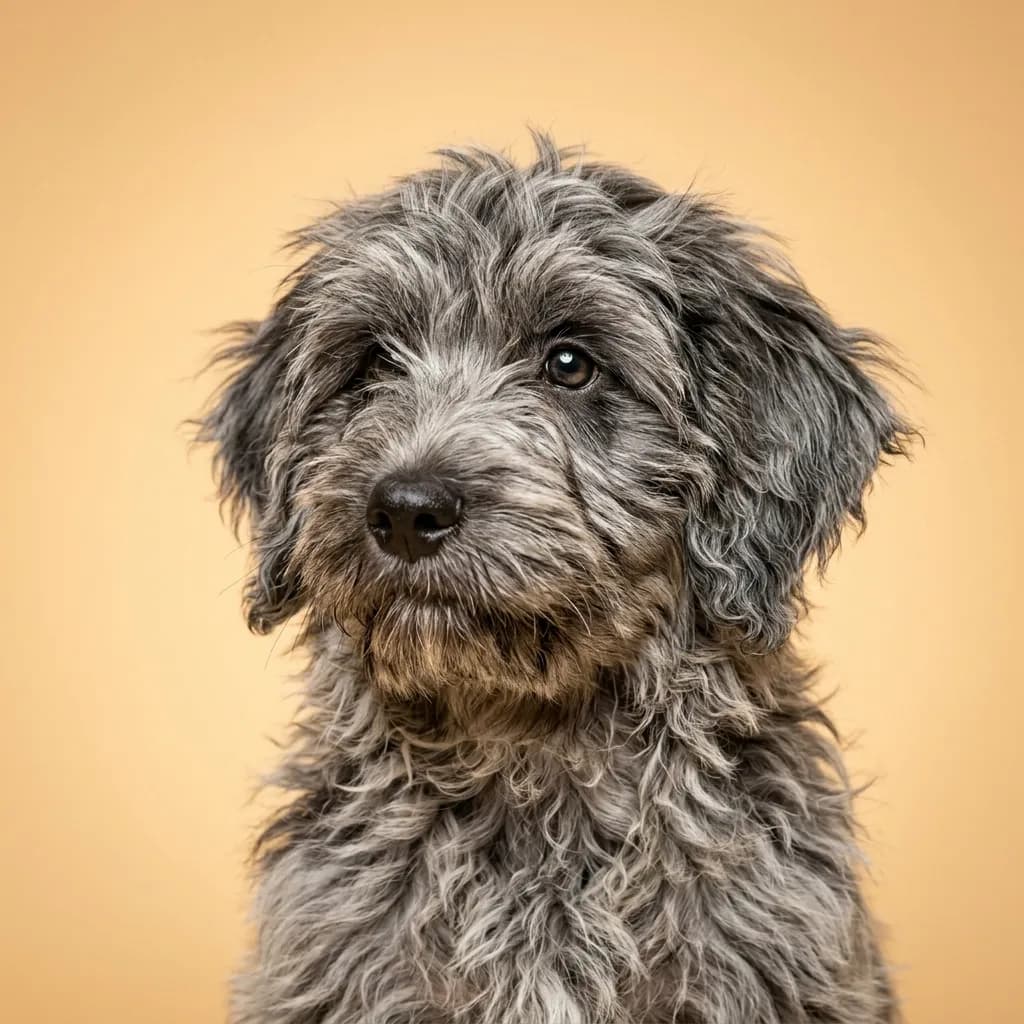
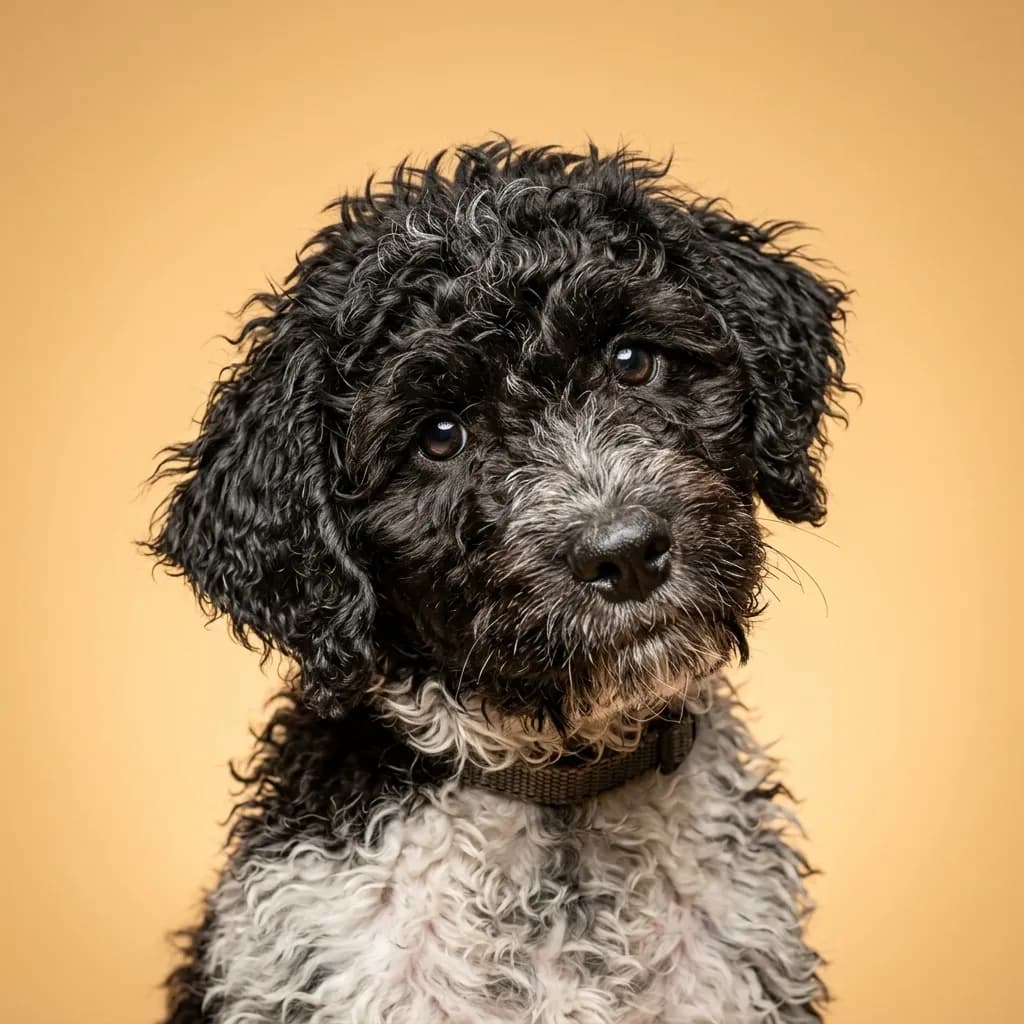
People compare the Schapendoes and Spanish Water Dog because they’re both rare, energetic, medium-sized herding breeds with curly coats and a passion for dog sports. At first glance, they seem like mirror images—lively, smart, and deeply bonded to their people. But if you’re deciding between them, the devil’s in the details, and your lifestyle will tip the scales. The Schapendoes is the livelier showman, bred to herd sheep across open Dutch fields with a spring in its step and a cloud of hair around its face. It’s slightly lighter on its feet, more adaptable to different homes, and a bit easier with kids—though still best with active families who’ll match its 4/5 energy. It’s also lower maintenance coat-wise; while it needs regular grooming, you don’t have to commit to full corded locks like the Spanish Water Dog. And that’s the real fork in the road. The Spanish Water Dog doesn’t just grow a coat—it cords naturally, and if you’re not on board with the commitment of maintaining those cords or embracing the breed’s rugged look, you’ll be fighting its nature from day one. But in return, you get one of the lowest-shedding dogs out there, a huge plus for allergy sufferers. It’s also more intense mentally—5/5 need for stimulation—so it thrives in structured roles, whether in herding, therapy, or agility. Here’s the honest insight: both breeds demand engagement, but the Spanish Water Dog needs a job. Not just “let’s play fetch.” A real job. If you don’t have a task in mind, the Schapendoes, with its slightly more forgiving adaptability and friendlier novice-owner vibe, might save you a few sleepless nights.
Trait-by-trait
Higher bar = more of that trait. Shedding, barking, drooling, grooming flipped for readability.Where they diverge
Choose the Schapendoes if…
- active families
- agility and herding sport enthusiasts
- experienced herding breed owners
- You value good with other dogs — Schapendoes scores noticeably higher.
Choose the Spanish Water Dog if…
- Active owners
- Allergy sufferers
- Dog sports enthusiasts
- You value good with young children — Spanish Water Dog scores higher here.