Schapendoes vs Thai Ridgeback
Side-by-side comparison across all 14 AKC trait ratings, with a clear verdict on which breed fits which kind of household.
Not sure which breed fits your life?
Answer five questions about your home, your schedule, and your tolerance for shedding. We’ll match you to your top three breeds from over 200.
Schapendoes vs Thai Ridgeback
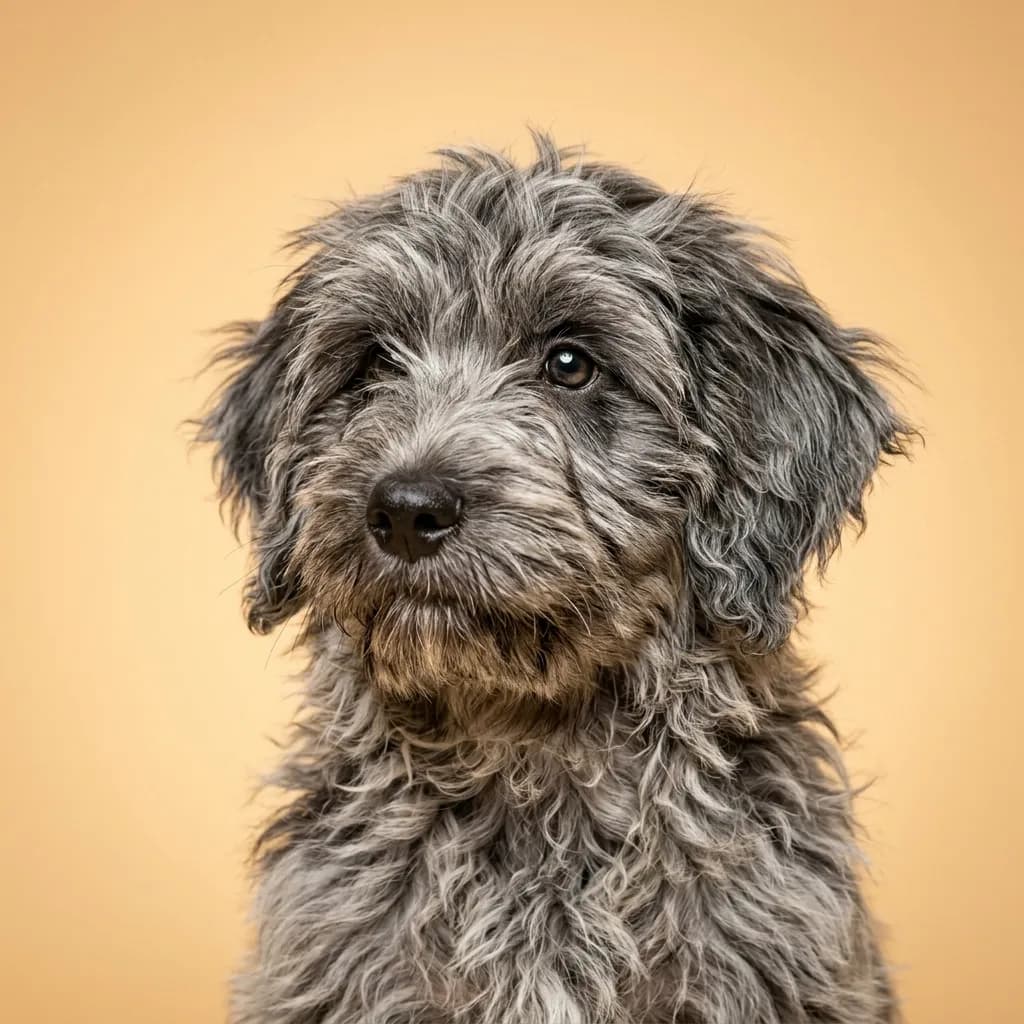
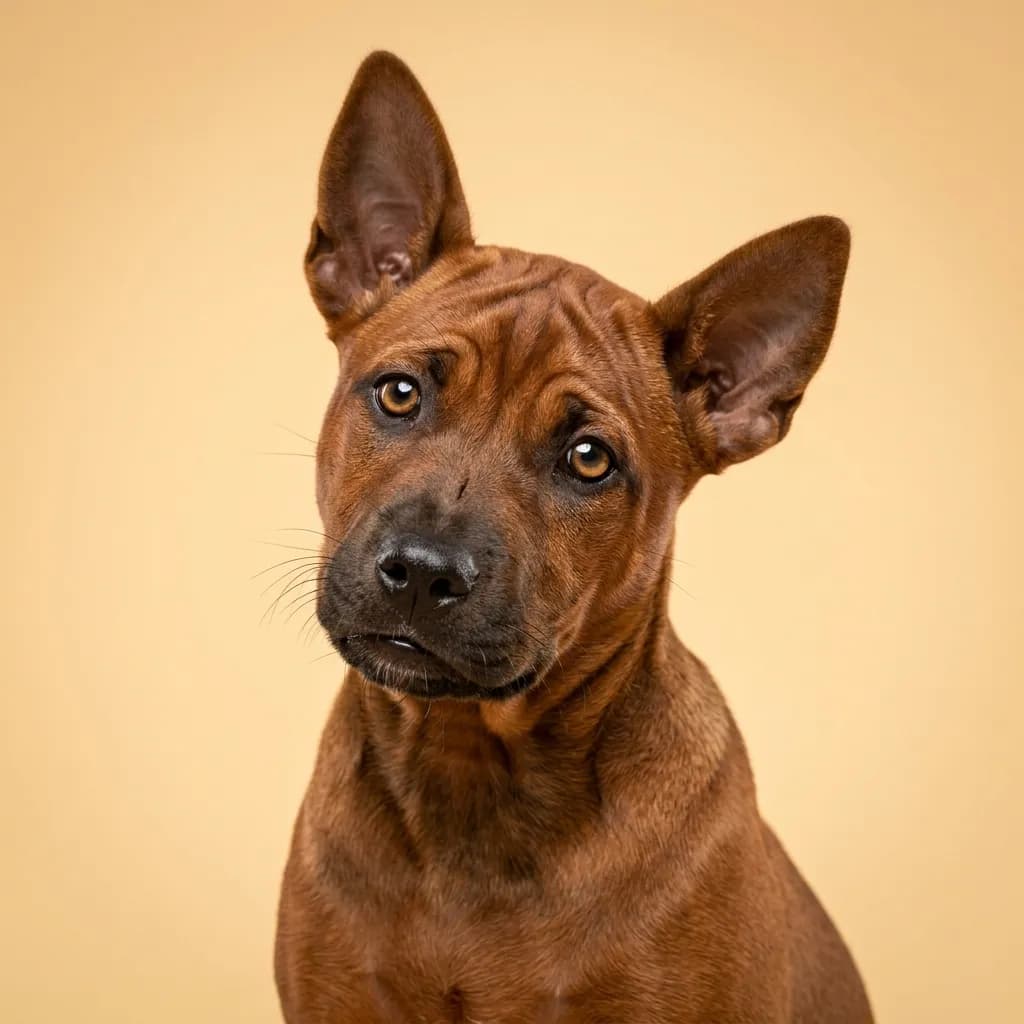
People don’t usually pit the fluffy, bouncy Schapendoes against the sleek, wild-eyed Thai Ridgeback—but if you’re browsing both, you’re likely drawn to rare, active breeds that stand out in a crowd. Maybe you want a dog with soul in its eyes and fire in its step, something beyond the generic “family pup.” That’s where the dream splits. The Schapendoes is your Dutch farm poet. With a beard full of sticks and a tail that never quits, this dog lives to work beside you. It thrives in agility, herding trials, or just a 10-mile hike with the kids (though it’s only moderately kid-tolerant—think “enthusiastic older cousin,” not babysitter). It’s highly trainable, eager to please, and bonds deeply. But that beautiful, woolly coat? It’s high-maintenance. You’ll be brushing weekly or facing mats in a heartbeat. The Thai Ridgeback, meanwhile, feels like a relic from another time. It’s lean, alert, and carries that signature ridge like a badge of independence. Bred to hunt and roam in eastern Thailand, it’s more reserved, more aloof. It won’t follow commands just because you asked. You’ll need consistency, patience, and thick skin—it bonds closely with one or two people and views strangers with suspicion. It adapts poorly to city life or chaotic homes. Here’s the real insight: the Schapendoes wants to join your world. The Ridgeback lets you visit his. If you want a partner in adventure who’ll laugh in the rain and learn every trick, go Schapendoes. If you want a stoic, cat-like guardian with ancient instincts and a warrior look, the Ridgeback might be your match—but only if you’ve got the experience to handle a dog that thinks for itself.
Trait-by-trait
Higher bar = more of that trait. Shedding, barking, drooling, grooming flipped for readability.Where they diverge
Choose the Schapendoes if…
- active families
- agility and herding sport enthusiasts
- experienced herding breed owners
- You value affectionate w/ family — Schapendoes scores noticeably higher.
Choose the Thai Ridgeback if…
- Experienced dog owners
- Active outdoor owners
- Those wanting a primitive, independent breed
- You value shedding level — Thai Ridgeback scores higher here.