Schapendoes vs Working Kelpie
Side-by-side comparison across all 14 AKC trait ratings, with a clear verdict on which breed fits which kind of household.

Not sure which breed fits your life?
Answer five questions about your home, your schedule, and your tolerance for shedding. We’ll match you to your top three breeds from over 200.
Schapendoes vs Working Kelpie
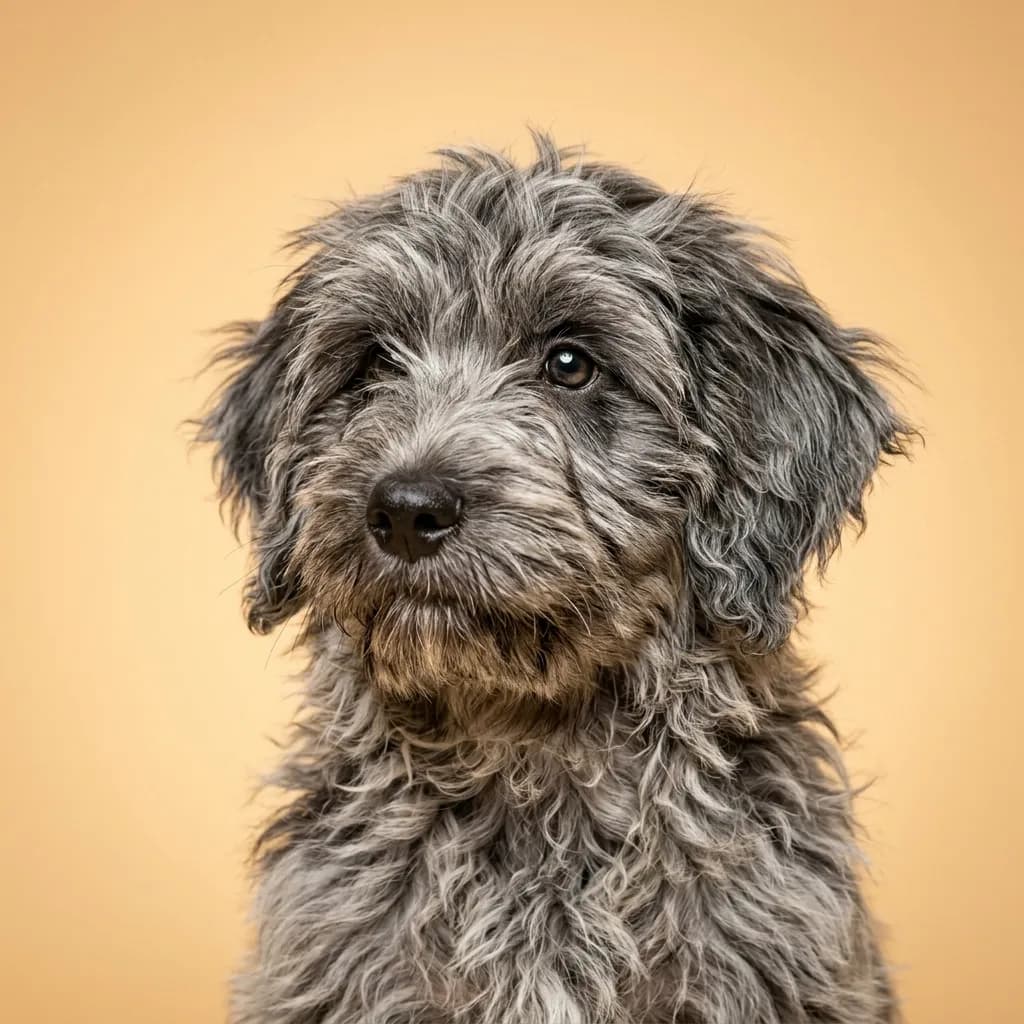
You don’t see Schapendoes and Working Kelpies side by side at dog parks—chances are, you haven’t seen either unless you’re deep into herding circles. But they get compared because they’re both agile, brainy, high-energy herding breeds with roots in farming cultures. And if you’re eyeing one, you’re probably someone who wants a dog that works, not just lounges. Here’s where they split. The Schapendoes is the lively, affectionate comedian with a shaggy mop of hair and a need for connection. It’s eager to please, thrives in dog sports, and will hug your kids if they’re respectful. But that coat? It’s not low-maintenance. You’ll be brushing several times a week, and if you hate grooming, this dog will break your heart—or your vacuum. The Working Kelpie, on the other hand, is all business. Bred to cover miles of Australian outback, it’s tougher, more independent, and laser-focused. It’s more likely to bond deeply with one person, and while it can be great with kids, it won’t shower them with gooey affection. It’s not built for city life or casual walks. This dog needs a job. No job? You’ll have a bored tornado tearing up your yard. So who chooses which? If you’re into agility, love a goofy, loving dog, and don’t mind grooming, the Schapendoes fits. If you’re on a farm, run 10K with your dog, or need a relentless worker, the Kelpie’s your match. Here’s the real talk: both need mental work daily. But the Kelpie doesn’t just want to be involved in your life—it needs to mean something in it. Get this wrong, and no amount of exercise fixes the fallout.
Trait-by-trait
Higher bar = more of that trait. Shedding, barking, drooling, grooming flipped for readability.Where they diverge
Choose the Schapendoes if…
- active families
- agility and herding sport enthusiasts
- experienced herding breed owners
- You value affectionate w/ family — Schapendoes scores noticeably higher.
Choose the Working Kelpie if…
- Farmers and ranchers
- Experienced dog owners
- Active rural lifestyles
- You value good with young children — Working Kelpie scores higher here.