Schipperke vs Silky Terrier
Side-by-side comparison across all 14 AKC trait ratings, with a clear verdict on which breed fits which kind of household.
Not sure which breed fits your life?
Answer five questions about your home, your schedule, and your tolerance for shedding. We’ll match you to your top three breeds from over 200.
Schipperke vs Silky Terrier
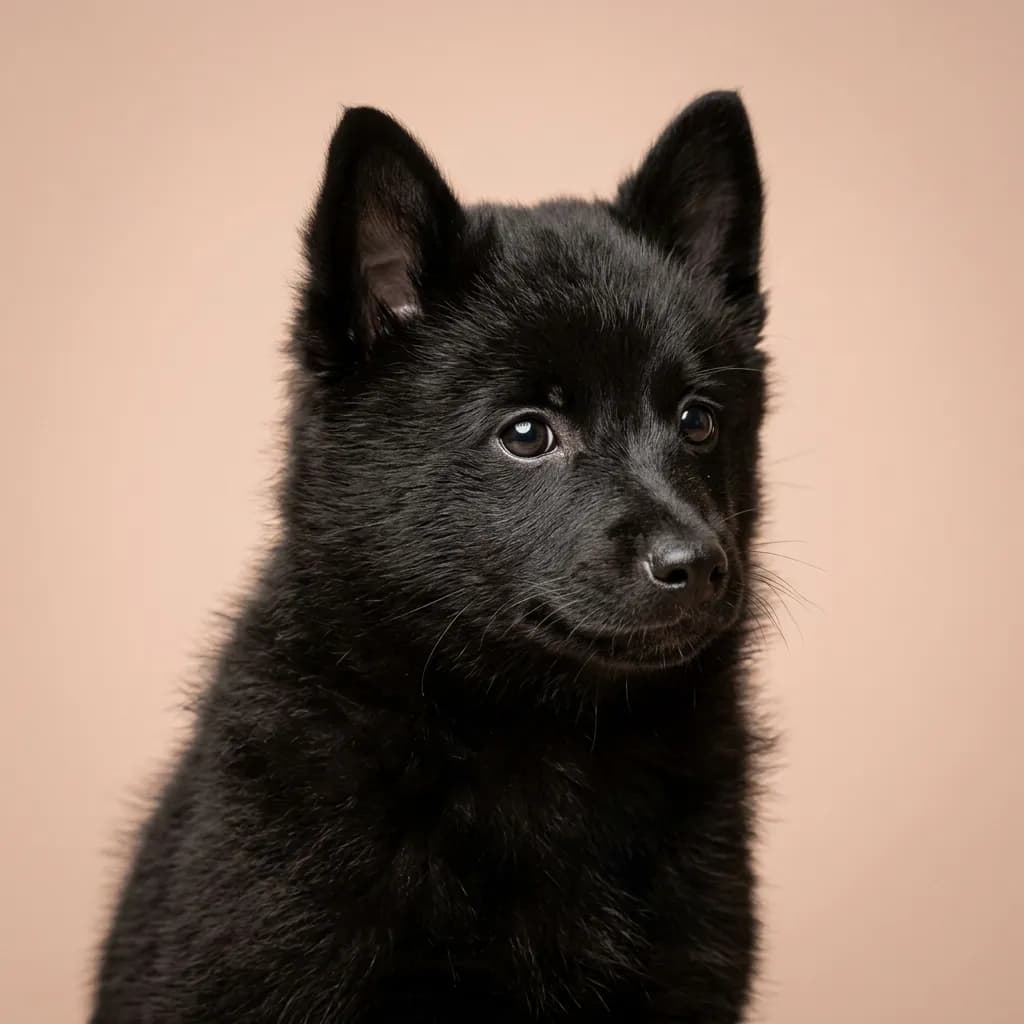
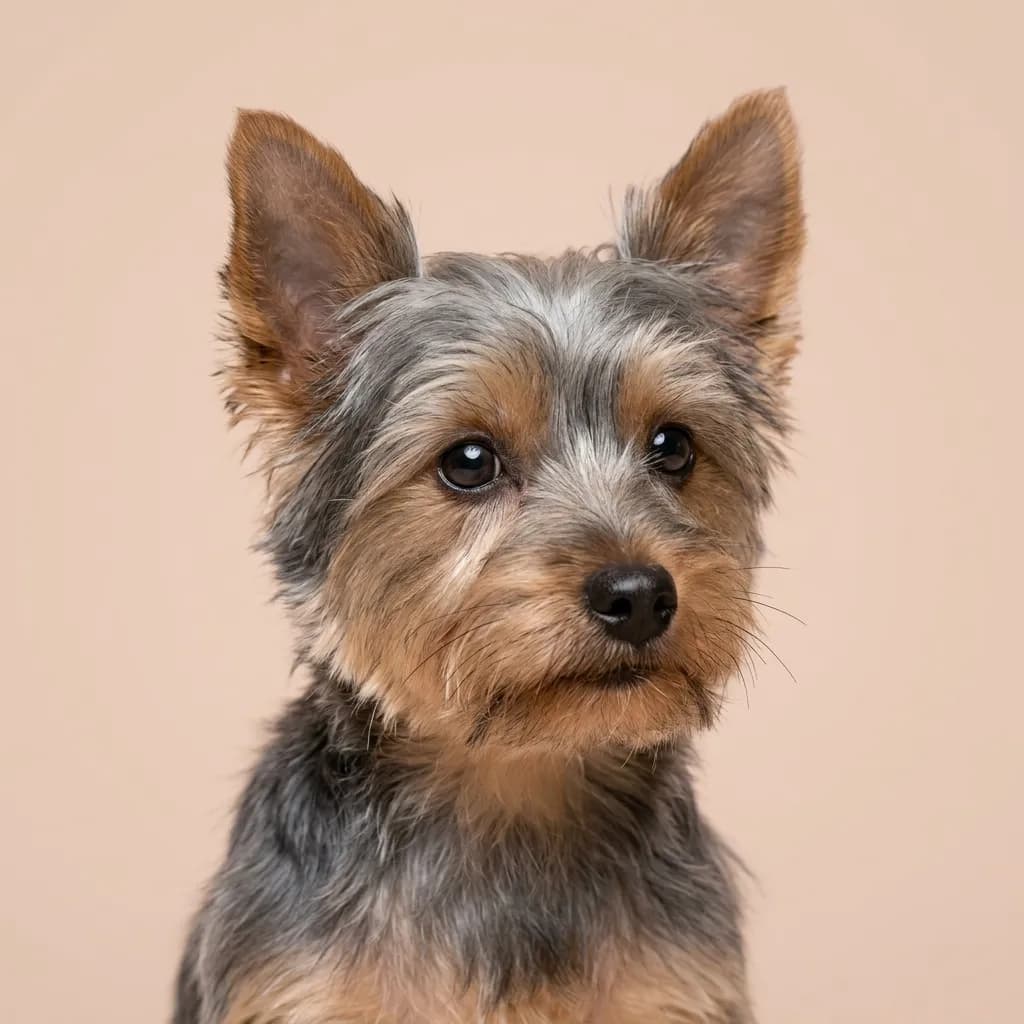
People often compare the Schipperke and Silky Terrier because they’re both small, lively, and pack a surprising personality in a tiny frame. At first glance, they even look vaguely similar—compact, dark-coated, and alert. But spend a little time with each, and you realize they’re built for different kinds of lives. The Schipperke is the little black sentinel with a fox-like spark. He wasn’t bred to sit on laps but to guard barges and hunt rats, and that edge still shows. He’s bold, independent, and will bark at anything that moves—sometimes just the idea of something moving. His energy isn’t hyper, but it’s persistent, like a curious toddler with a mission. Families with older kids who can respect his assertiveness do well with him. He’s not fragile, which helps in a busier home. The Silky Terrier, on the other hand, is more like a polished pocket-sized companion. Bred in Australia from terrier stock, he’s got that feisty terrier alertness but wrapped in a silky blue coat that turns heads. He’s just as vocal, but his energy feels more contained—perfect for an apartment if you’re around to engage him. He bonds deeply, almost Velcro-like, and while he’ll chase a squirrel, he’s more likely to follow you to the bathroom than patrol the yard. Here’s the real difference beyond the numbers: the Schipperke will challenge you. He’s smarter than he lets on and will test boundaries just to see if you’re paying attention. The Silky? He’ll charm you into letting him win. Both need grooming, but the Silky’s coat demands weekly brushing to avoid mats. The Schipperke sheds more but is lower-maintenance in texture. If you want a mini guardian with attitude, go Schipperke. If you want a devoted, dapper little shadow, the Silky’s your guy. Just know—neither will stay silent when the mailman comes.
Trait-by-trait
Higher bar = more of that trait. Shedding, barking, drooling, grooming flipped for readability.Where they diverge
Choose the Schipperke if…
- Active owners
- Those wanting a small but bold breed
- Suburban or rural settings
- You value shedding level — Schipperke scores noticeably higher.
Choose the Silky Terrier if…
- Apartment living
- Active owners despite small size
- Those wanting a long-coated but manageable breed
- You value coat grooming — Silky Terrier scores higher here.