Schipperke vs Sussex Spaniel
Side-by-side comparison across all 14 AKC trait ratings, with a clear verdict on which breed fits which kind of household.
Not sure which breed fits your life?
Answer five questions about your home, your schedule, and your tolerance for shedding. We’ll match you to your top three breeds from over 200.
Schipperke vs Sussex Spaniel
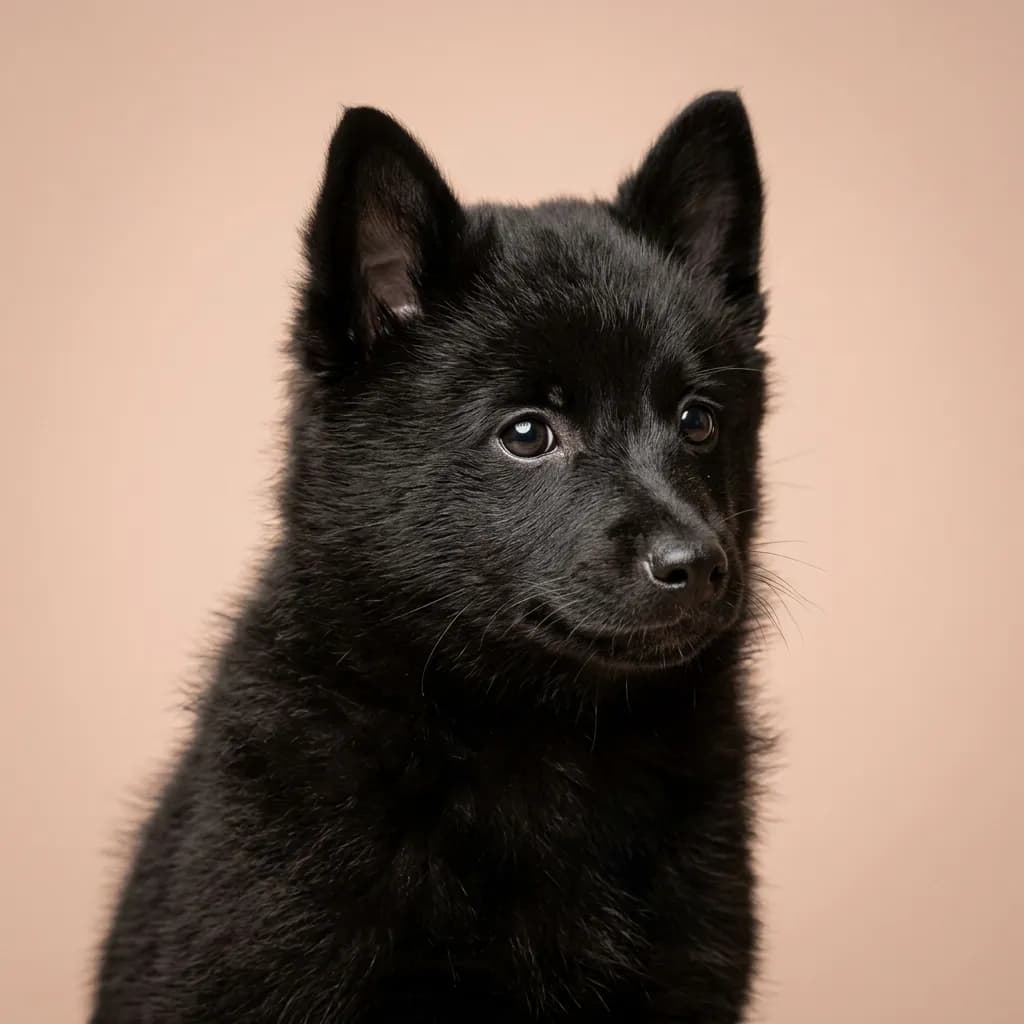
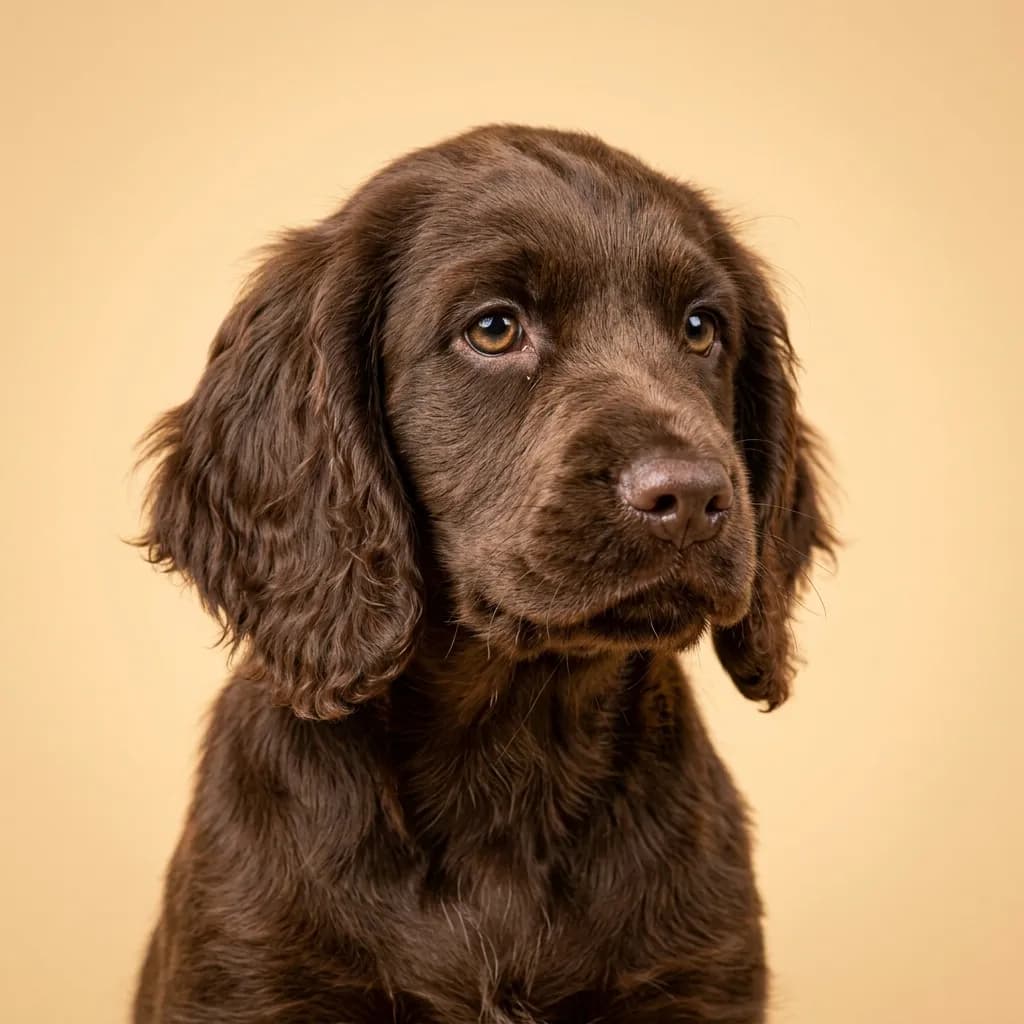
You don’t see Schipperkes and Sussex Spaniels side by side often, but people end up comparing them when they’re hunting for a small-to-medium, affectionate dog with personality—and maybe a soft spot for rare breeds. That’s where the similarity ends. These two couldn’t be more different in form and function, even if they share a love for their people and a stubborn streak. The Schipperke is a tiny black whirlwind from Belgium, originally guarding barges and chasing rats. It’s bold, loud, and endlessly curious—like a fox in a tuxedo. You’ll get a watchdog who’s always on duty, barking at passersby and investigating every crumb. It bonds tightly, but don’t expect a lap dog who lounges all day. This one wants to do something, even if it’s just patrolling the backyard. Energy isn’t off the charts, but mental downtime is not in its vocabulary. The Sussex Spaniel is its mellow, golden cousin from England’s countryside—low-slung, deep-chested, built for plodding through thick brush. It’s calm, steady, and built for endurance, not speed. It’ll stick close, wag gently, and tolerate kids with patience. It’s not quiet—spaniels bark when they need to—but it won’t scream at shadows like the Schipperke might. If you live in a suburban home with a yard and want a lively little guardian, the Schipperke fits. But if you’re a weekend hunter or want a soulful, steady companion for country walks, the Sussex is your dog. Here’s the real talk: both need early socialization, but the Sussex’s slow-maturing nature means you’ll wait longer for confidence to kick in. And while both are rare, the Sussex is one of the rarest AKC breeds—finding a reputable breeder may take real effort. But if you want a dog that walks at your pace, literally and emotionally, it’s worth it.
Trait-by-trait
Higher bar = more of that trait. Shedding, barking, drooling, grooming flipped for readability.Where they diverge
Choose the Schipperke if…
- Active owners
- Those wanting a small but bold breed
- Suburban or rural settings
- You value watchdog / protective — Schipperke scores noticeably higher.
Choose the Sussex Spaniel if…
- Moderately active owners
- Hunters in dense cover
- Families with children
- You value drooling level — Sussex Spaniel scores higher here.