Scottish Deerhound vs Shiba Inu
Side-by-side comparison across all 14 AKC trait ratings, with a clear verdict on which breed fits which kind of household.
Not sure which breed fits your life?
Answer five questions about your home, your schedule, and your tolerance for shedding. We’ll match you to your top three breeds from over 200.
Scottish Deerhound vs Shiba Inu
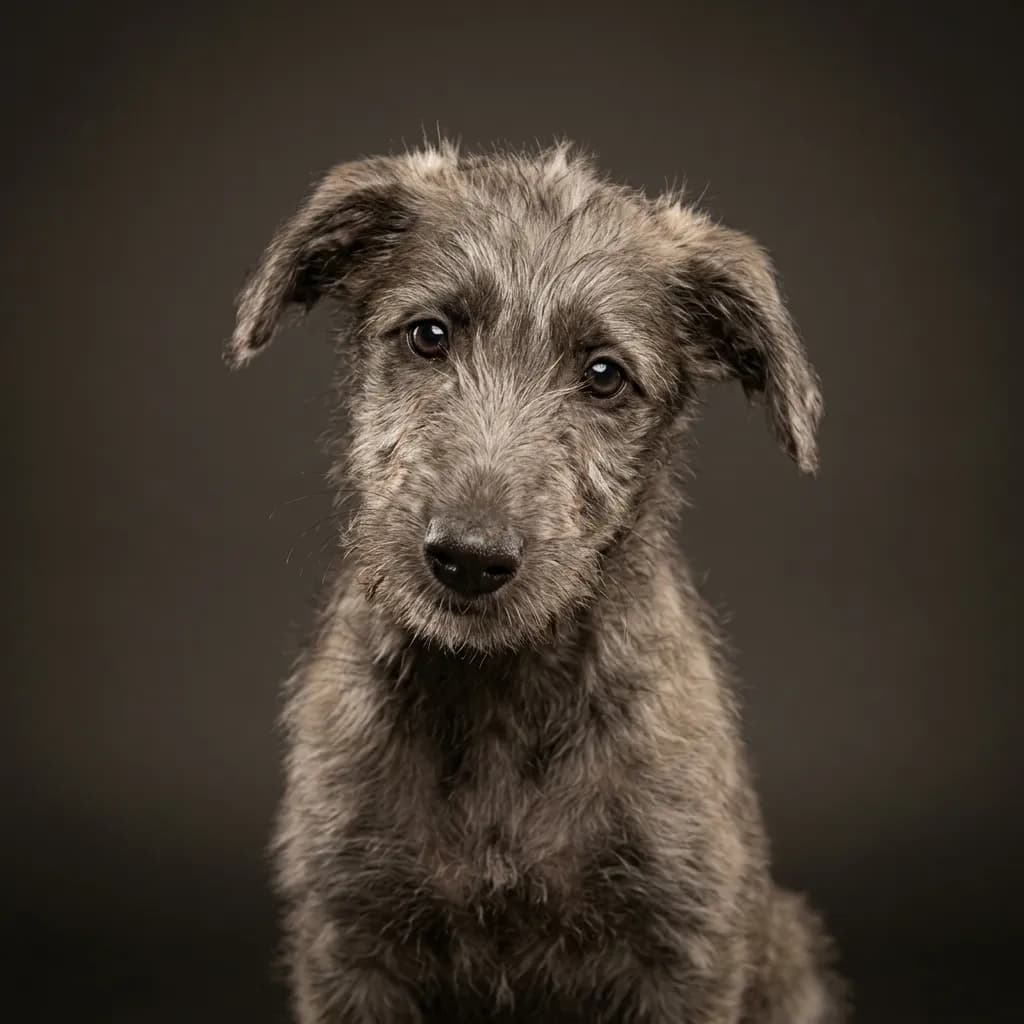
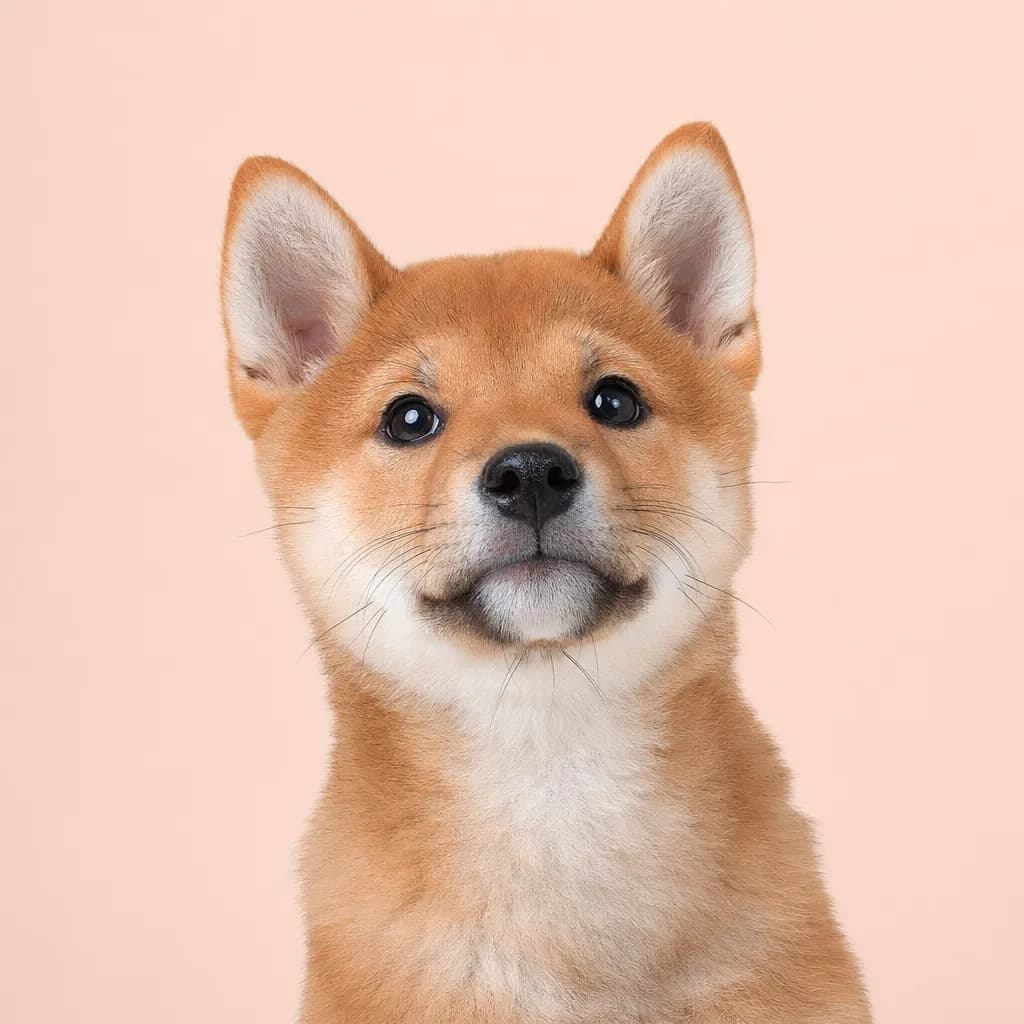
People compare the Scottish Deerhound and the Shiba Inu because both are dog people’s dogs—bred for work, full of personality, and deeply loyal in their own way. But beyond that, they couldn’t be more different. One is a towering, soft-hearted giant from the misty Highlands, the other a compact, fox-faced survivor from the Japanese mountains. Choosing between them isn’t just preference. It’s lifestyle, space, and patience. You’ll bring home a Deerhound if you live on a few acres, love quiet dignity, and don’t mind a dog the size of a small horse lounging on your couch. These dogs are gentle with kids and polite to guests, but they need room to stretch their legs and a yard high enough to keep them in. They’re not the easiest to train, and they won’t live as long as you’d hope—8 to 11 years is tough when you’ve fallen for such a noble soul. Bloat and heart issues are real concerns, so vet bills can add up. The Shiba Inu, on the other hand, fits in a city apartment just fine—if you can handle the willful streak. They’re independent, sometimes aloof, and they’ll ignore you just because they can. But they’re also clean, quiet (except when they’re not), and full of spark. They’re not the type to follow you like a shadow. They’ll sit near you, on their terms. Here’s the truth beyond the data: Deerhounds are softies who want to please, even if they’re slow to learn. Shibas respect you, but they don’t care about pleasing you. One is a quiet giant who leans on you. The other is a self-reliant little philosopher who tolerates your affection. Pick based on whether you want a companion or a coequal.
Trait-by-trait
Higher bar = more of that trait. Shedding, barking, drooling, grooming flipped for readability.Where they diverge
Choose the Scottish Deerhound if…
- Active owners with spacious homes
- Those wanting a gentle giant
- Experienced sighthound owners
- You value good with other dogs — Scottish Deerhound scores noticeably higher.
Choose the Shiba Inu if…
- Experienced dog owners
- Those wanting a cat-like independence
- Active owners
- You value watchdog / protective — Shiba Inu scores higher here.