Scottish Deerhound vs Sussex Spaniel
Side-by-side comparison across all 14 AKC trait ratings, with a clear verdict on which breed fits which kind of household.

Not sure which breed fits your life?
Answer five questions about your home, your schedule, and your tolerance for shedding. We’ll match you to your top three breeds from over 200.
Scottish Deerhound vs Sussex Spaniel
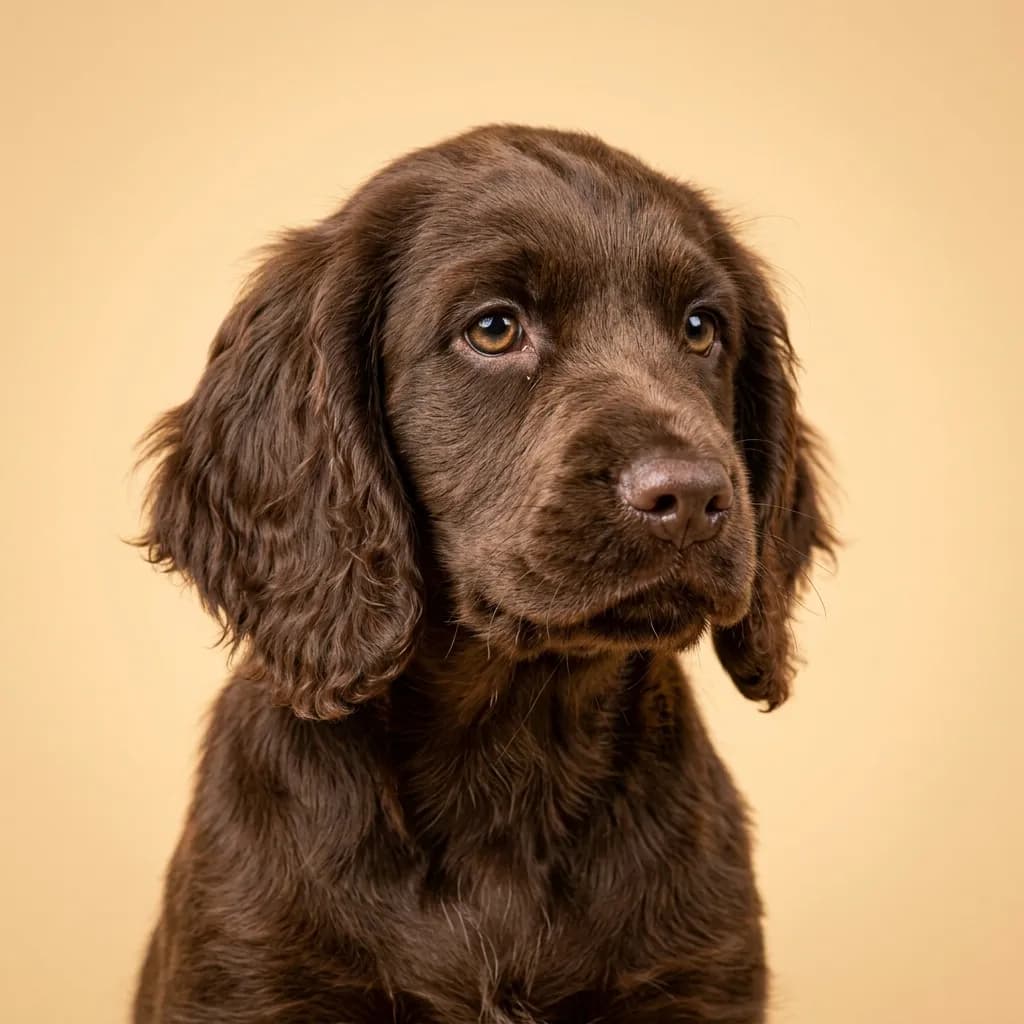
People compare the Scottish Deerhound and Sussex Spaniel because they’re both rare, both gentle, and both carry an old-world charm that pulls at the heartstrings. But that’s where the similarities end. Choosing between them isn’t just preference—it’s lifestyle. The Deerhound is a quiet giant, built for open spaces and cool Highland winds. You’ll find them stretched out on a sunlit rug, regal and still, but don’t be fooled by the calm. This dog needs room to stretch its legs safely, and a yard without a fence is a death wish. They’re not hyper, but their energy is deep and occasional bursts demand space. They bond fiercely, love gently, and break your heart a little when they’re gone at just 8–11 years. If you live rurally, move at a steady pace, and want a noble companion who looks like a statue come to life, this is your dog. The Sussex Spaniel is shorter, sturdier, built for pushing through thickets, not flying across moors. They’re merry but not manic, affectionate but not clingy. They’ll bark when something’s up, which means they’re not silent housemates. Their 13–15-year lifespan means a longer commitment, and their ears need regular care to avoid infections. They adapt better to smaller homes and suburban yards, and they train a little easier than the independent Deerhound. Here’s the real difference: the Deerhound is a fleeting masterpiece, a dog you savor while you can. The Sussex is a steady companion, built for the long, quiet haul. Pick the Deerhound if you can love deeply and let go early. Pick the Sussex if you want a loyal, low-key friend who sticks around.
Trait-by-trait
Higher bar = more of that trait. Shedding, barking, drooling, grooming flipped for readability.Where they diverge
Choose the Scottish Deerhound if…
- Active owners with spacious homes
- Those wanting a gentle giant
- Experienced sighthound owners
- You value good with other dogs — Scottish Deerhound scores noticeably higher.
Choose the Sussex Spaniel if…
- Moderately active owners
- Hunters in dense cover
- Families with children
- You value coat grooming — Sussex Spaniel scores higher here.