Sealyham Terrier vs Swedish Vallhund
Side-by-side comparison across all 14 AKC trait ratings, with a clear verdict on which breed fits which kind of household.
Not sure which breed fits your life?
Answer five questions about your home, your schedule, and your tolerance for shedding. We’ll match you to your top three breeds from over 200.
Sealyham Terrier vs Swedish Vallhund
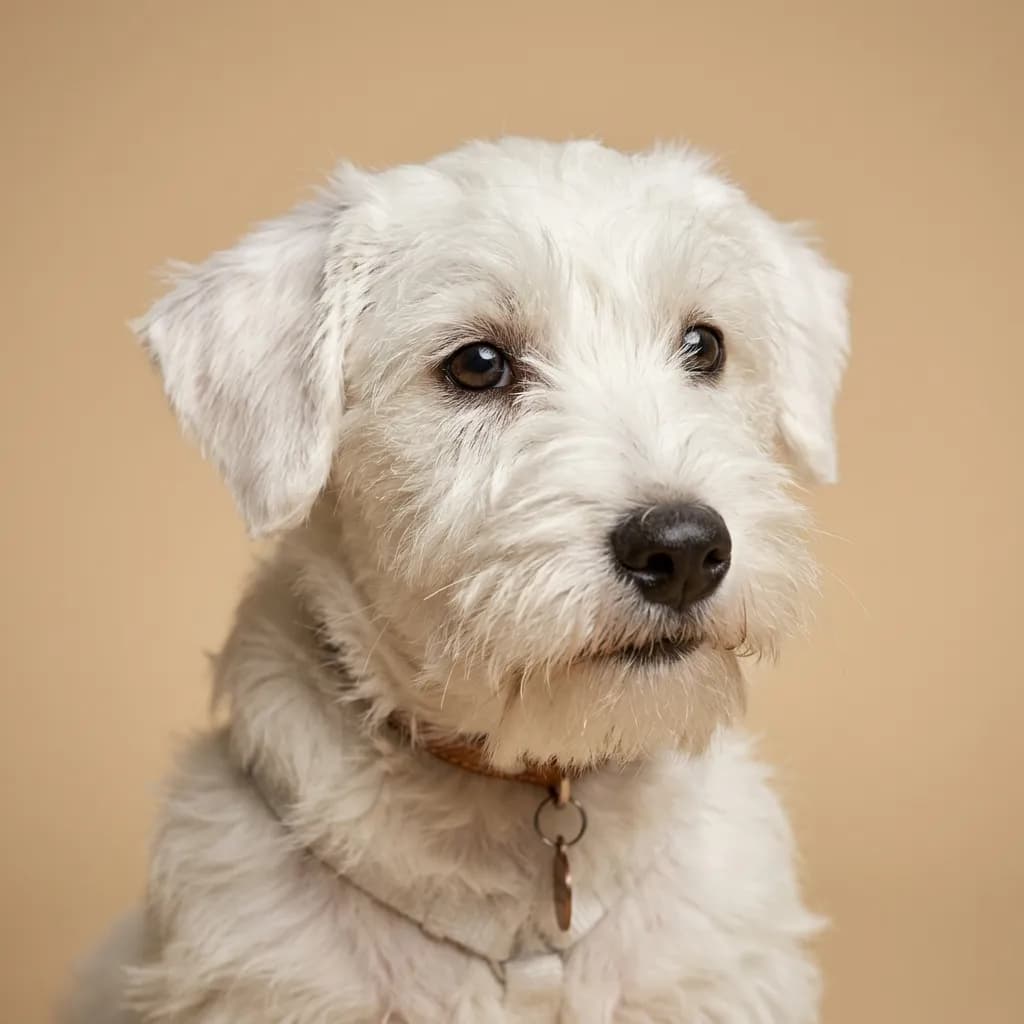
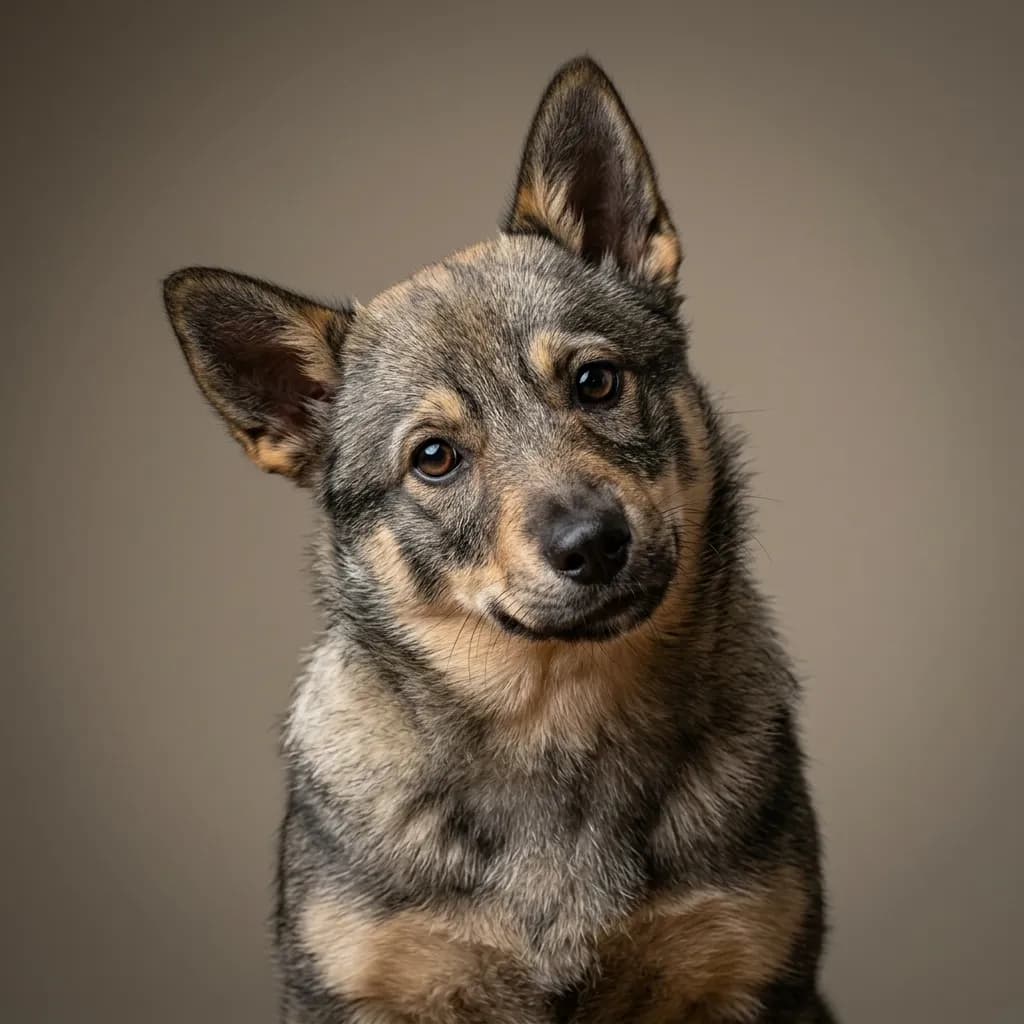
You don’t see a Sealyham Terrier and a Swedish Vallhund side by side at dog parks every day, but people end up comparing them for a reason. Both are compact, rare breeds with big personalities and a sturdy, low-to-the-ground build. They’re loyal, affectionate, and smart enough to keep you on your toes. On paper, they seem like two sides of the same coin—until you live with one. The Sealyham is the more relaxed of the two, but don’t mistake that for lazy. Bred to go after badgers and otters in Welsh dens, this dog has terrier grit simmering under a comically expressive face. He’s outgoing and affectionate, loves his people deeply, and will bark to alert you—loudly—when the mail arrives or a leaf blows by. He’s better suited to a quieter home, maybe with seniors or adults without tiny kids. He’s not thrilled around small pets, and his coat needs regular clipping, not just brushing. If you like a dog with a sense of humor and don’t mind a grooming schedule, he’s a gem. The Vallhund, meanwhile, is a pocket-sized herding dynamo. Short legs, long body, and a history of nipping at cows’ heels mean this dog is always on. He’s fantastic with kids, eager to learn, and thrives in active homes where he can hike, play, or try agility. He sheds more—expect tumbleweeds of fur—and his bark, while not constant, carries purpose. He’s the one who’ll herd your toddlers into naptime. Here’s the real difference: the Sealyham wants to lounge with you and bark at the world. The Vallhund wants to do something with you—and bring the whole family along. Pick based on your energy, not just your space.
Trait-by-trait
Higher bar = more of that trait. Shedding, barking, drooling, grooming flipped for readability.Where they diverge
Choose the Sealyham Terrier if…
- Apartment living
- Seniors
- Those wanting a less active terrier
- You value watchdog / protective — Sealyham Terrier scores noticeably higher.
Choose the Swedish Vallhund if…
- Active families
- Dog sports enthusiasts
- First-time dog owners willing to train
- You value good with young children — Swedish Vallhund scores higher here.