Shiba Inu vs Shikoku
Side-by-side comparison across all 14 AKC trait ratings, with a clear verdict on which breed fits which kind of household.
Not sure which breed fits your life?
Answer five questions about your home, your schedule, and your tolerance for shedding. We’ll match you to your top three breeds from over 200.
Shiba Inu vs Shikoku
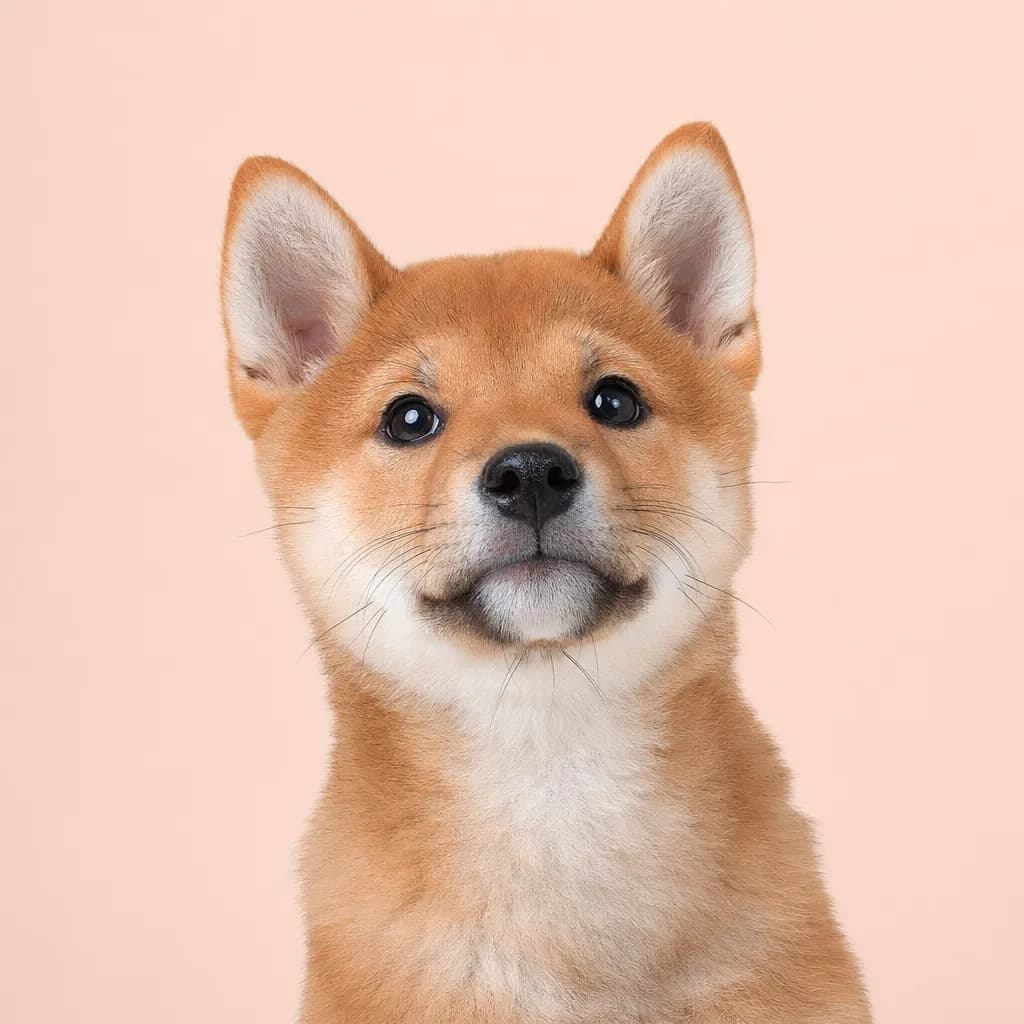
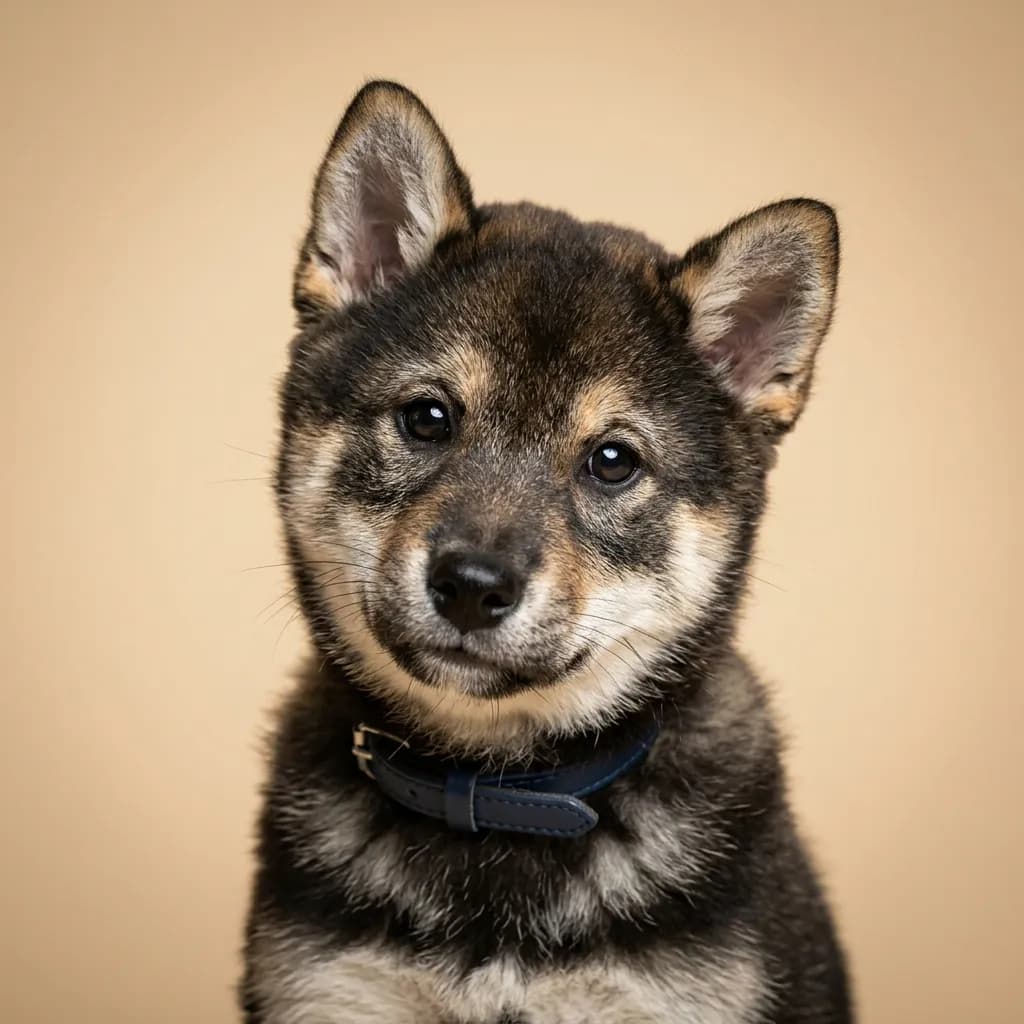
You’re not going to find these two on a doggy runway, but if you’re drawn to ancient, cat-footed canines with fox faces and stubborn streaks, the Shiba Inu and Shikoku might both catch your eye. People compare them because they’re rare, Japanese, spitz-type hunters with that iconic curled tail and reserved charm. But don’t be fooled by the similar looks—these dogs live in very different worlds. The Shiba is the apartment-savvy, city-surviving paradox of independence and loyalty. At 20 pounds, it’s compact, loud enough to alert you to a leaf falling, and affectionate on its own terms—like a cat that occasionally decides to sit on your lap. It’s intense but manageable for those with routine and patience. The Shikoku, though? This is a 50-pound mountain dog built for chasing boar through dense forest. It’s more physical, more intense, and far less likely to adapt to a downtown condo or a laid-back lifestyle. Training both takes work, but the Shikoku’s slightly higher trainability score doesn’t mean it’s easier—just that it’s more willing to engage if you’ve earned its respect. The real difference is adaptability. Shiba owners can make it work in a variety of homes, as long as there’s a fence and daily walks. Shikoku owners need land, time, and an outdoor obsession—this dog thrives when it has a job and space to patrol. Here’s the unspoken truth: the Shiba Inu has been shaped by city life and popularity in the West. The Shikoku hasn’t. It’s rarer, less socialized, and carries more wild edge. If you want a companion that’s spirited but somewhat predictable, go Shiba. If you want a true hunter with a pulse for adventure and don’t mind the extra effort, the Shikoku might just steal your life—and your hiking boots.
Trait-by-trait
Higher bar = more of that trait. Shedding, barking, drooling, grooming flipped for readability.Where they diverge
Choose the Shiba Inu if…
- Experienced dog owners
- Those wanting a cat-like independence
- Active owners
- You value affectionate w/ family — Shiba Inu scores noticeably higher.
Choose the Shikoku if…
- Experienced dog owners
- Active outdoor enthusiasts
- Those wanting a primitive, independent breed
- You value coat grooming — Shikoku scores higher here.