Shiba Inu vs Swedish Vallhund
Side-by-side comparison across all 14 AKC trait ratings, with a clear verdict on which breed fits which kind of household.
Not sure which breed fits your life?
Answer five questions about your home, your schedule, and your tolerance for shedding. We’ll match you to your top three breeds from over 200.
Shiba Inu vs Swedish Vallhund
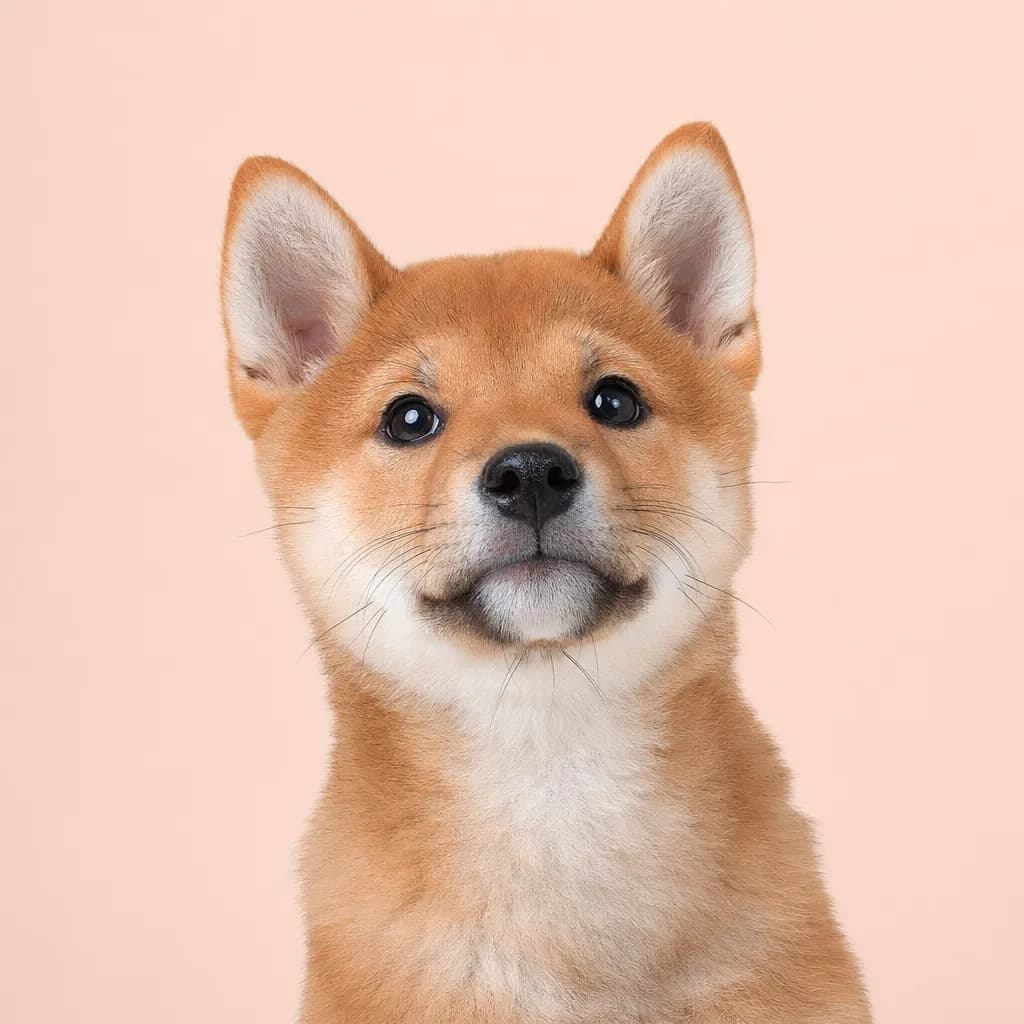
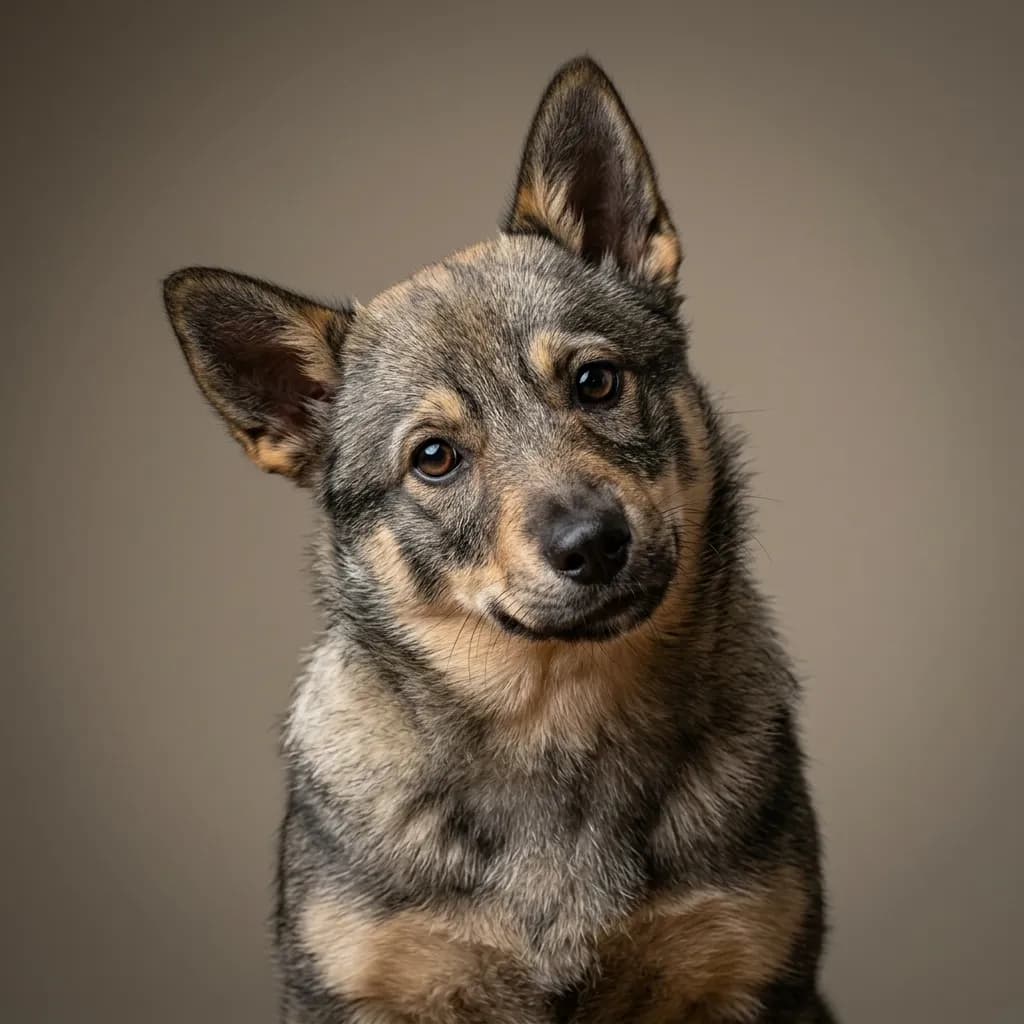
You don’t see a Shiba Inu and a Swedish Vallhund and think they’re interchangeable, but if you’re drawn to compact, spunky, fox-faced dogs with big personalities in small packages, you might find yourself comparing these two. They’re both alert, energetic, and built for people who like a dog with opinions. But that’s where the easy comparisons end. The Shiba Inu is the aloof philosopher of the dog world. She’ll curl up in your lap one evening and ignore you completely the next. Proud and independent, she was bred to work solo in the mountains, and it shows. Training is a negotiation, not a command, and if you’re not consistent, she’ll outmaneuver you. She’s not mean, but she’s not eager to please. If you want a dog that’s more cat than dog, this is your breed—just keep her away from your neighbor’s rabbits. The Swedish Vallhund, meanwhile, is the enthusiastic co-pilot. Short legs, long body, and a motor that won’t quit. He wants to be part of everything you do, from hiking to obedience class. He’s easier to train, genuinely loves kids, and thrives on activity and interaction. He was built to drive cattle, so he’s got the herding urge—sometimes nipping at heels—but with early training, he’s a first-time owner’s best shot at a herding breed. Here’s the real difference: the Shiba demands respect for her boundaries. The Vallhund earns yours by trying his hardest. Pick the Shiba if you value independence and don’t mind a little mystery. Pick the Vallhund if you want a loyal, trainable partner who’s always down for an adventure. And no, neither will ever fully understand the concept of “quiet,” but at least the Vallhund will bark with a plan.
Trait-by-trait
Higher bar = more of that trait. Shedding, barking, drooling, grooming flipped for readability.Where they diverge
Choose the Shiba Inu if…
- Experienced dog owners
- Those wanting a cat-like independence
- Active owners
- You value watchdog / protective — Shiba Inu scores noticeably higher.
Choose the Swedish Vallhund if…
- Active families
- Dog sports enthusiasts
- First-time dog owners willing to train
- You value good with young children — Swedish Vallhund scores higher here.