Siberian Husky vs Spinone Italiano
Side-by-side comparison across all 14 AKC trait ratings, with a clear verdict on which breed fits which kind of household.
Not sure which breed fits your life?
Answer five questions about your home, your schedule, and your tolerance for shedding. We’ll match you to your top three breeds from over 200.
Siberian Husky vs Spinone Italiano
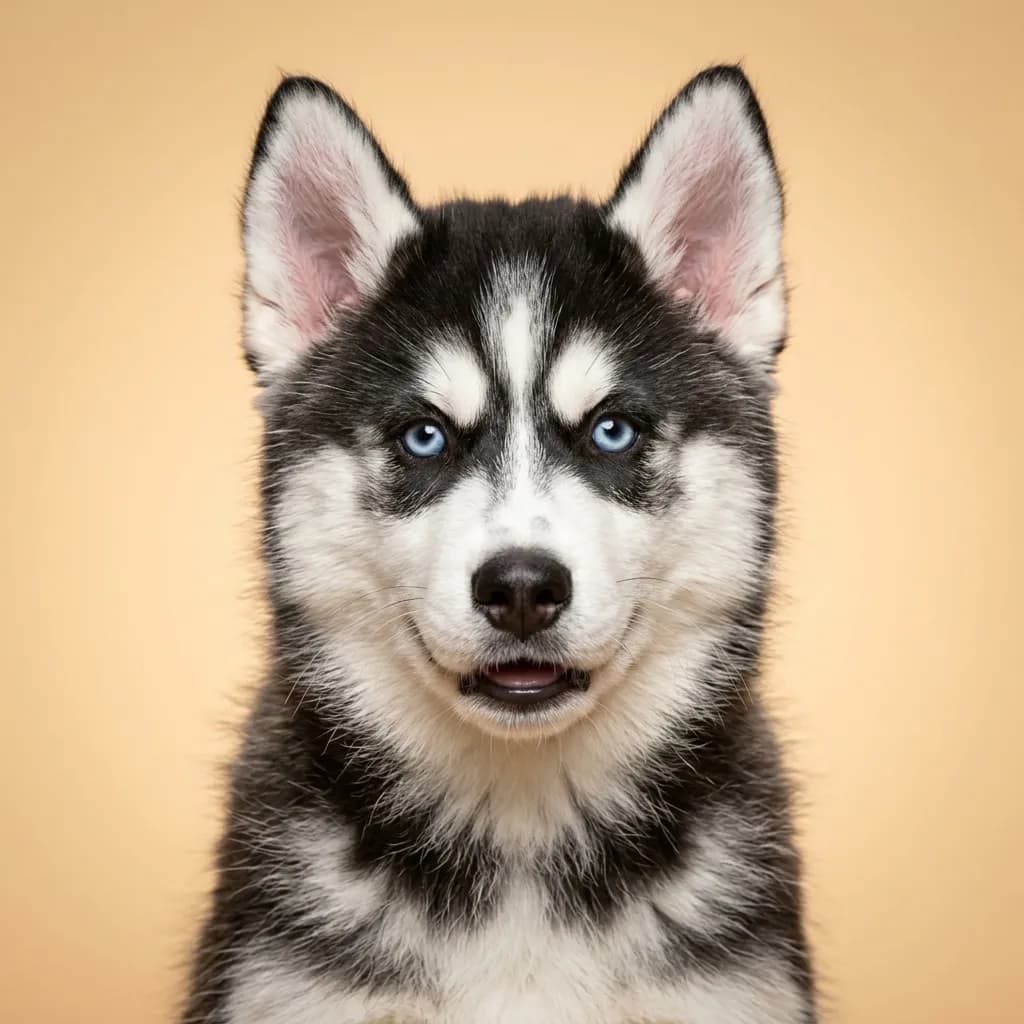
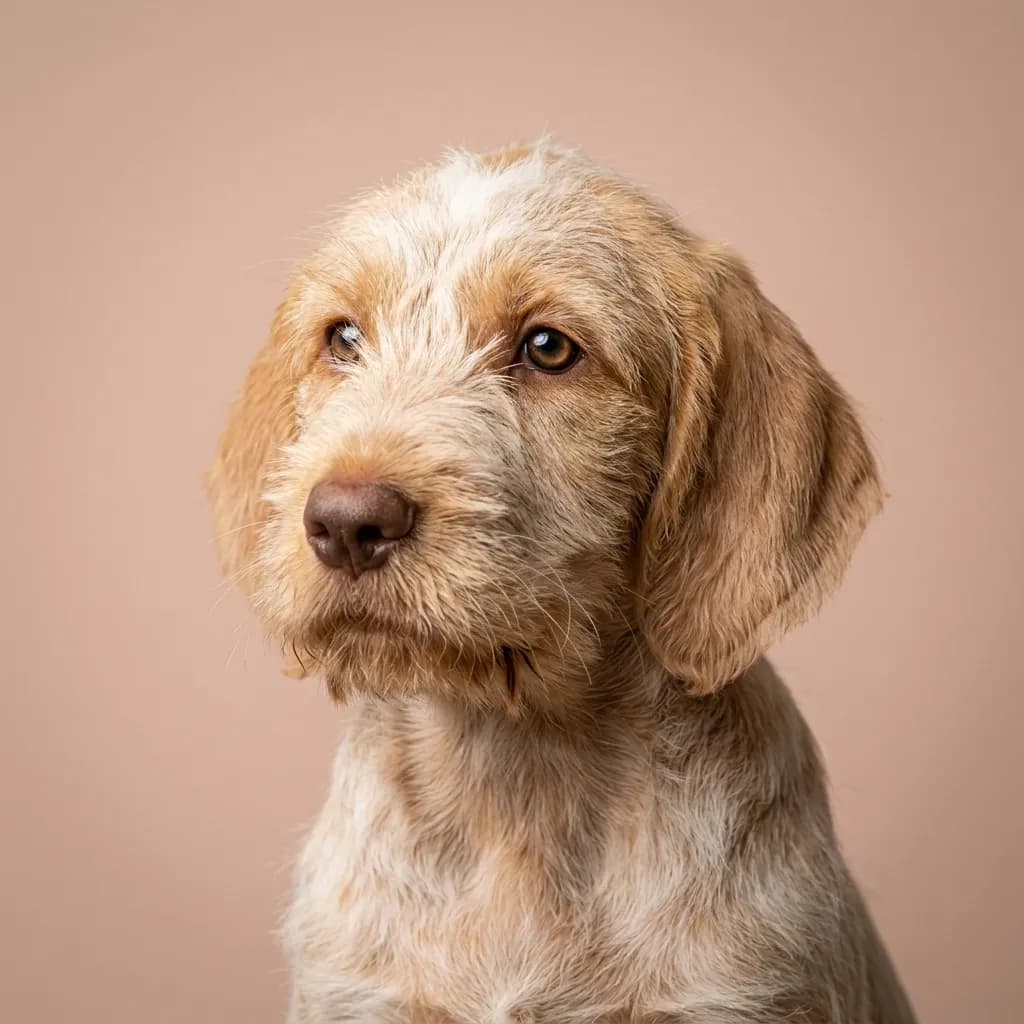
You don’t see a lot of Siberian Huskies and Spinone Italianos side by side at dog parks, but people compare them when they’re hunting for a loyal, family-friendly dog with a strong will and a lot of fur. Both are big-hearted, affectionate breeds that adore their people. But that’s where the similarities end. The Husky is the athlete of the two. Bred to run 100 miles in subzero temps, it’s got motor that won’t quit. You’ll need to match that energy with serious outdoor time or you’ll come home to a chewed-up couch. They’re escape artists, bark like they’re running a wolf hotline, and shed enough fur to knit a second dog. But if you love winter, run trails, or want a dramatic-looking dog that bonds fiercely with kids, they’re magic. The Spinone is more like your calm, bearded uncle who’s always up for a hike but also happy napping on the porch. They’re patient, gentle, and easier to train than Huskies, though they can be stubborn in their own quiet way. Their wiry coat sheds less than you’d think, but they drool after water bowls and need space to stretch out. They’re not built for apartments or hot cities. Here’s the real difference: a Husky will challenge you. They need leadership, boundaries, and a job. A Spinone wants to please but moves at their own pace. They’re not as loud, not as wild, but not as flashy either. Pick a Husky if you want adventure and don’t mind chaos. Pick a Spinone if you want a soft giant who’s steady, kind, and content just being with you. And here’s the truth no one says: both breeds will wreck your shoes, but only the Husky will leave town with them.
Trait-by-trait
Higher bar = more of that trait. Shedding, barking, drooling, grooming flipped for readability.Where they diverge
Choose the Siberian Husky if…
- Active owners who exercise daily
- Cold climate households
- Families with children
- You value barking level — Siberian Husky scores noticeably higher.
Choose the Spinone Italiano if…
- Active hunting families
- Those wanting a gentle, patient breed
- Families with children
- You value drooling level — Spinone Italiano scores higher here.