Siberian Husky vs Thai Ridgeback
Side-by-side comparison across all 14 AKC trait ratings, with a clear verdict on which breed fits which kind of household.
Not sure which breed fits your life?
Answer five questions about your home, your schedule, and your tolerance for shedding. We’ll match you to your top three breeds from over 200.
Siberian Husky vs Thai Ridgeback
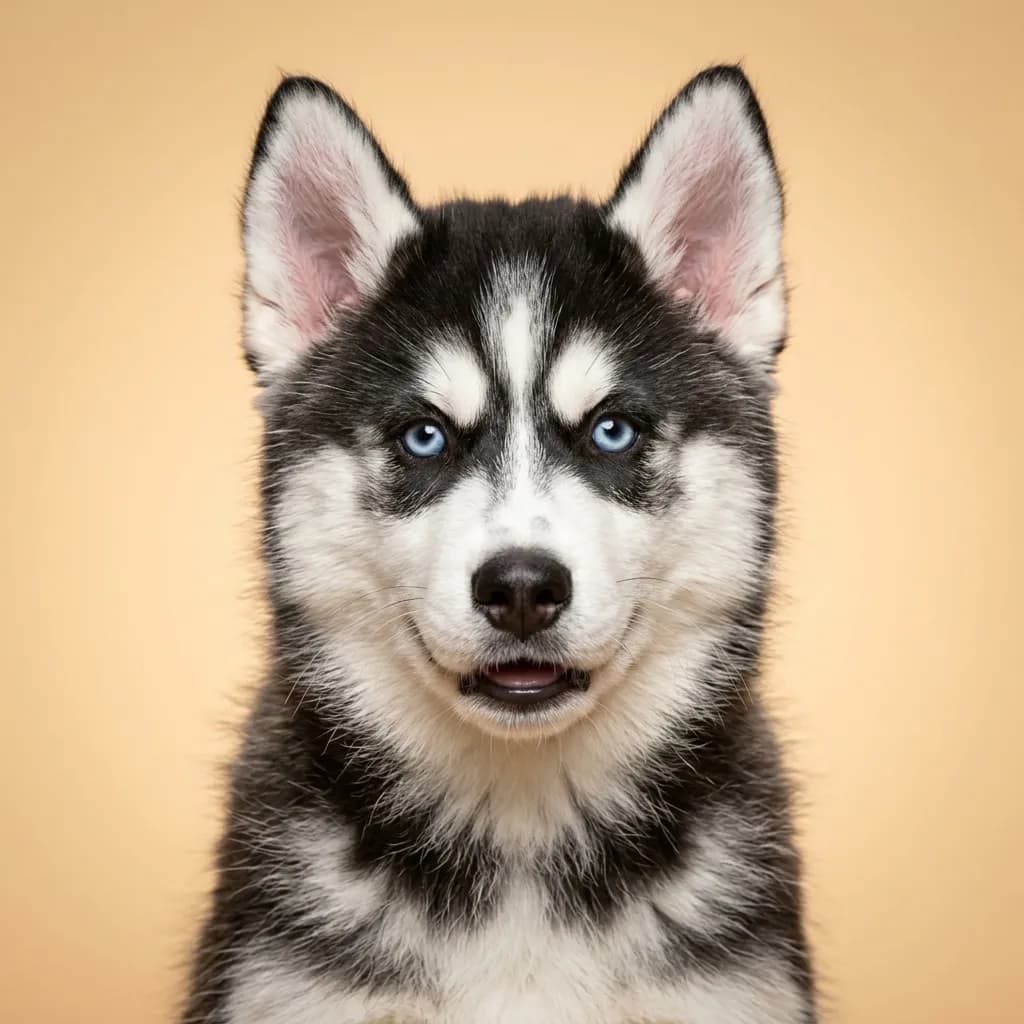
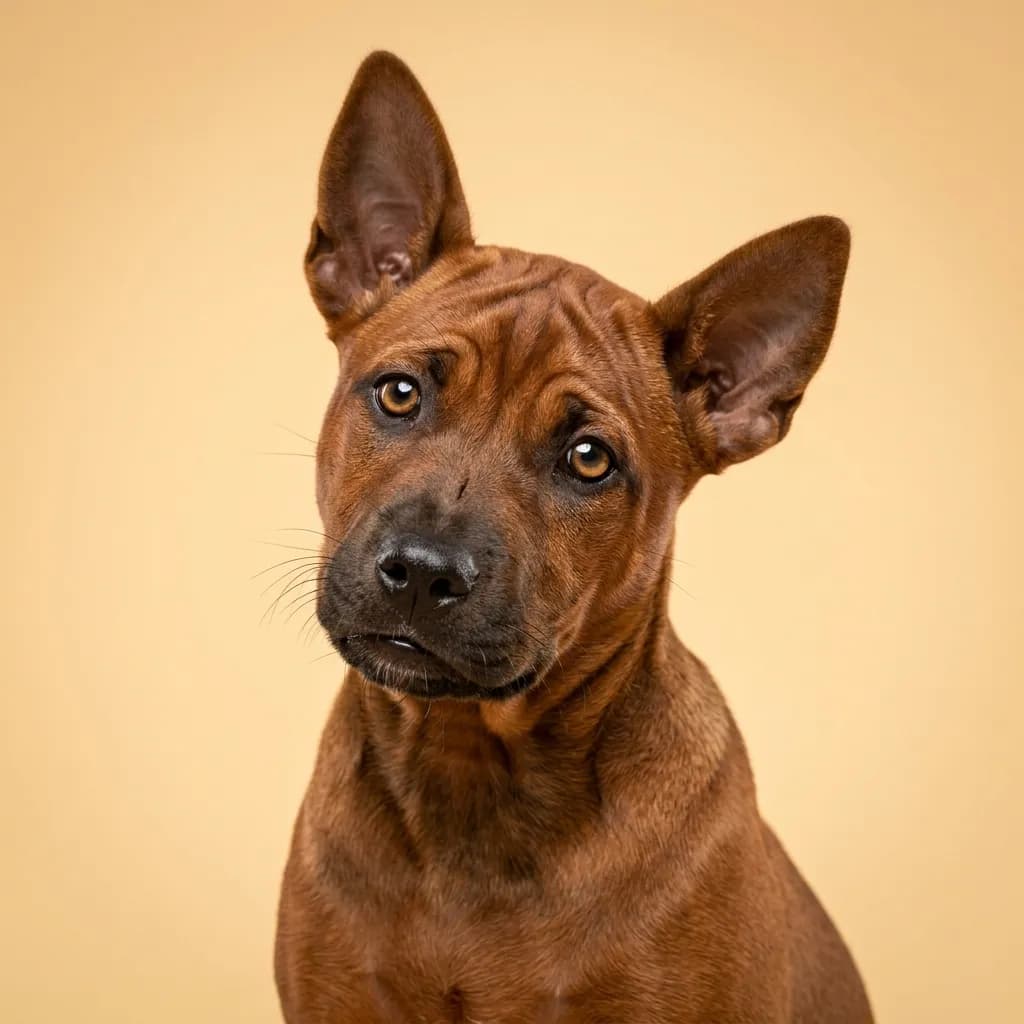
People compare Siberian Huskies and Thai Ridgebacks because they’re both striking, athletic, medium-sized dogs with a wild look and loyal hearts. At a glance, they might seem like two sides of the same coin—sleek, independent, built for action. But if you’re choosing between them, you’re really deciding between a social snow machine and a stealthy jungle ghost. The Husky is all about connection. They were born to run with people, pulling sleds across frozen tundras in tight-knit teams. That means they thrive on interaction, daily runs, and family life. They’ll howl the house down, shed like a snowstorm in spring, and charm every kid in the neighborhood. But leave them bored or unexercised, and they’ll redecorate your yard or stage a great escape. The Thai Ridgeback is different. They were bred to work alone—hunting, guarding, and surviving in the heat of eastern Thailand. They’re more reserved, less noisy, and way more aloof. They won’t shower your guests with affection, and they’ll side-eye your cat like it’s a potential midnight snack. They need experienced hands—someone who understands that independence isn’t defiance, it’s just their nature. Pick a Husky if you live somewhere cold, stay active, and want a dog that’s part of every family moment. Pick a Ridgeback if you’re a seasoned owner who values quiet confidence and lives where it’s hot. Here’s the real talk: Huskies will break your heart with their love. Ridgebacks will earn your respect through theirs. One demands your time, the other demands your understanding. Neither forgives ignorance.
Trait-by-trait
Higher bar = more of that trait. Shedding, barking, drooling, grooming flipped for readability.Where they diverge
Choose the Siberian Husky if…
- Active owners who exercise daily
- Cold climate households
- Families with children
- You value affectionate w/ family — Siberian Husky scores noticeably higher.
Choose the Thai Ridgeback if…
- Experienced dog owners
- Active outdoor owners
- Those wanting a primitive, independent breed
- You value watchdog / protective — Thai Ridgeback scores higher here.