Siberian Husky vs Weimaraner
Side-by-side comparison across all 14 AKC trait ratings, with a clear verdict on which breed fits which kind of household.

Not sure which breed fits your life?
Answer five questions about your home, your schedule, and your tolerance for shedding. We’ll match you to your top three breeds from over 200.
Siberian Husky vs Weimaraner
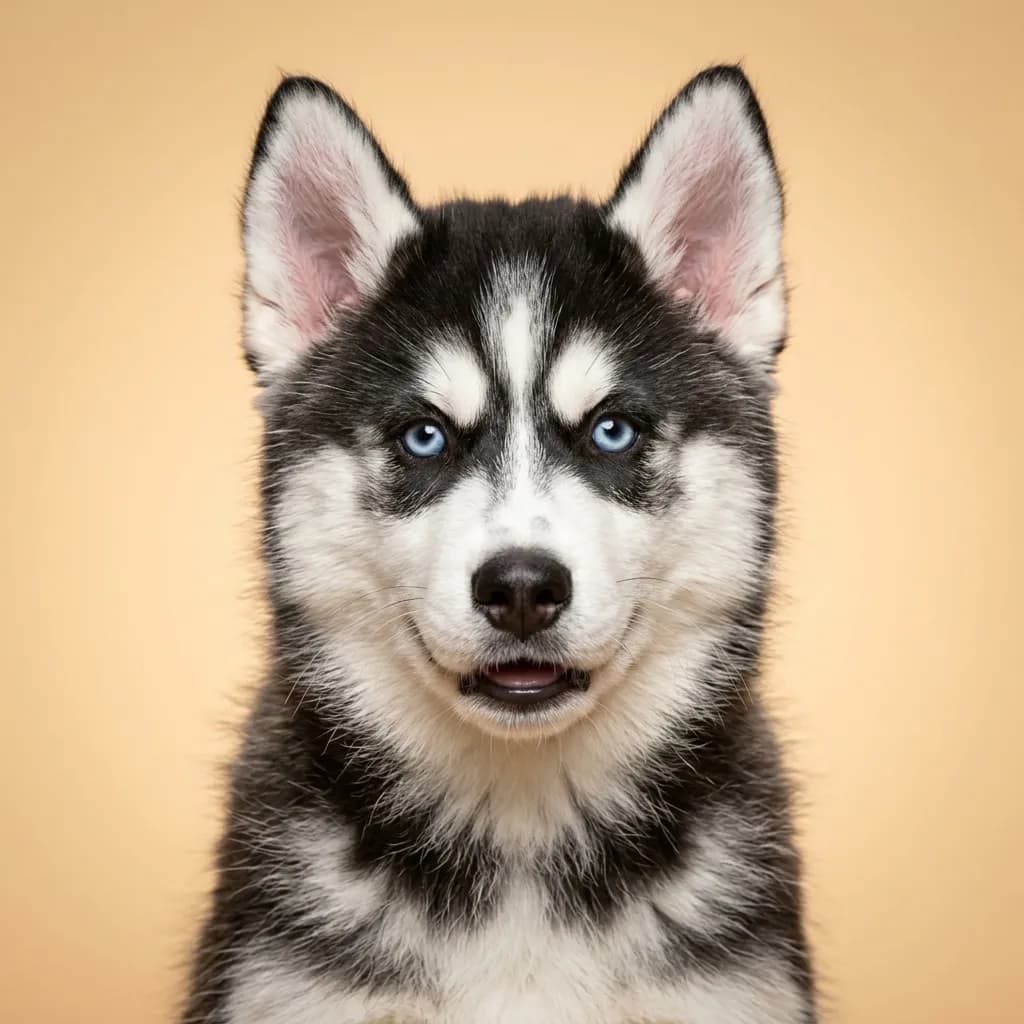
People toss these two breeds into the same ring because they’re both sleek, silver-eyed athletes with energy that never quits. They look like they belong on an adventure, and they are undeniably loyal to their people. But underneath that glossy surface, they’re built for entirely different worlds. The Siberian Husky thrives in motion and cold. Think frozen tundra, team pulls, a dog that’ll happily trot beside your bike in snowpants while howling at the wind. They’re mischievous, independent, and will talk back with grumbles and full-on “woo-woos” at 6 a.m. if bored. They shed like a snowstorm in spring—double coat and all—and good luck keeping them off the neighbor’s roof. But with kids? They’re golden. They love family chaos and can handle roughhousing. The Weimaraner, though, is a precision instrument. Bred to point and retrieve in German forests, they’re intensely bonded, almost velcro-like with their people. They’re easier to train, quieter, and cleaner shedders—but don’t be fooled. They demand mental work. A bored Weimaraner will destroy your couch, not because they’re mean, but because their brain is screaming for a job. They’re not built for long solo days or cramped apartments. Pick the Husky if you live where it snows, have active kids, and don’t mind dog hair in your coffee. Pick the Weimaraner if you’re an experienced owner who runs trails, hunts, or wants a deeply responsive partner in the field or obedience ring. Here’s the real talk: the Husky will love you, but they’ll never fully belong to you. The Weimaraner? They already see you as their entire world—and that’s both a gift and a responsibility.
Trait-by-trait
Higher bar = more of that trait. Shedding, barking, drooling, grooming flipped for readability.Where they diverge
Choose the Siberian Husky if…
- Active owners who exercise daily
- Cold climate households
- Families with children
- You value good with other dogs — Siberian Husky scores noticeably higher.
Choose the Weimaraner if…
- Active families with space
- Hunters
- Runners and hikers
- You value watchdog / protective — Weimaraner scores higher here.