Siberian Husky vs Whippet
Side-by-side comparison across all 14 AKC trait ratings, with a clear verdict on which breed fits which kind of household.

Not sure which breed fits your life?
Answer five questions about your home, your schedule, and your tolerance for shedding. We’ll match you to your top three breeds from over 200.
Siberian Husky vs Whippet
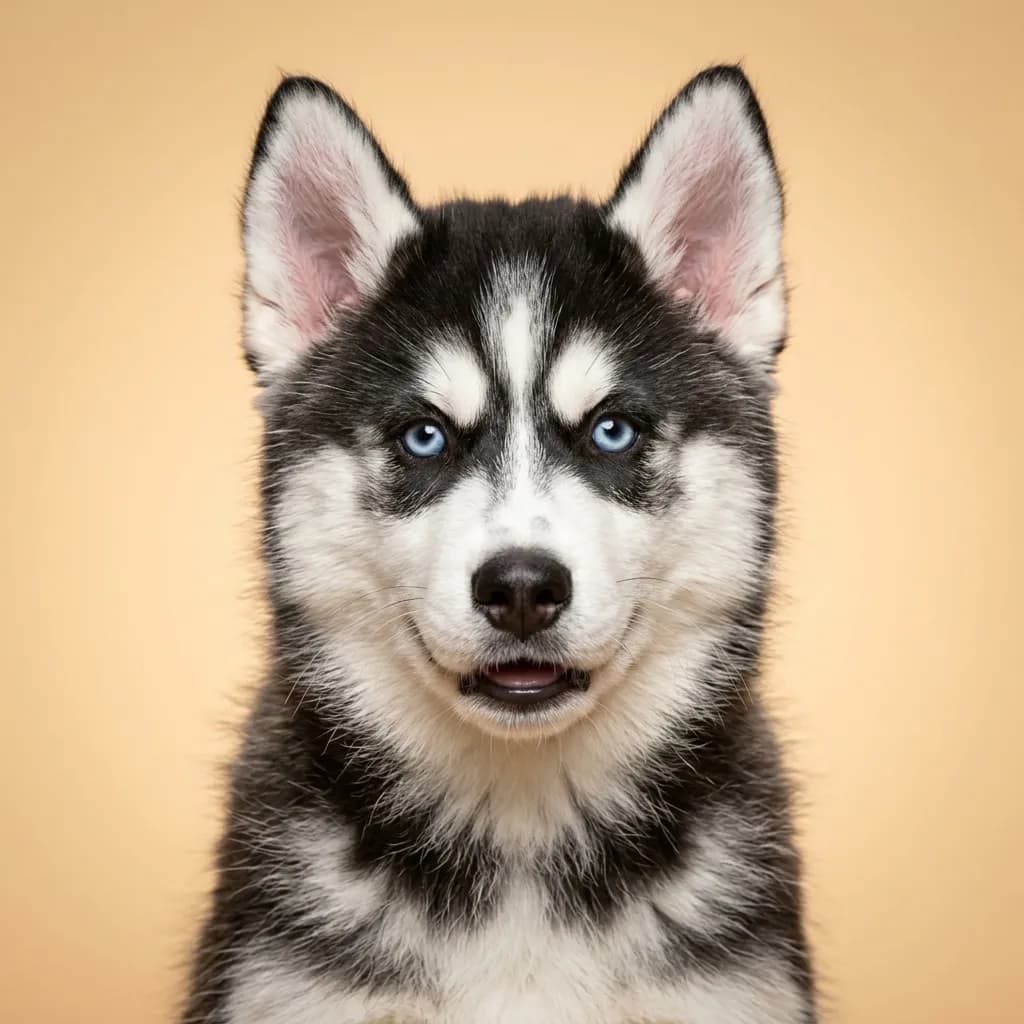
You don’t usually see Siberian Huskies and Whippets side by side at the dog park, but people compare them because both are lean, fast, and somehow look like they belong in a movie. On the surface, they’re both friendly and good with kids, but that’s where the similarities end. Choosing between them isn’t just about looks—it’s about lifestyle. The Husky is a force of nature. Bred to run for miles in subzero temps, this dog needs space, cold weather, and a job. You’ll laugh when they howl at the vacuum or “help” dig your garden, but don’t be fooled—they’re not really listening. They’re loyal and full of love, but they’re also independent to a fault. If you live in Arizona or want a dog that stays quiet, this isn’t the one. The Whippet, on the other hand, is the quiet speed demon. Sleek and gentle, they’ll sprint around the yard like a greyhound, then curl up on your lap for the rest of the evening. They’re quiet—rarely bark—and adaptable to apartments, as long as you take them jogging. But they’re not outdoor dogs. Cold? They’ll shiver in a sweater. And that rabbit they’re eyeing down the street? Yeah, that’s dinner in their mind. Here’s the real talk: Huskies demand time, space, and patience. Whippets need safety—fenced yards are non-negotiable—because they’ll bolt after anything that moves. If you want a dog that’s part of your adventures and doesn’t mind the snow, go Husky. If you want a quiet, affectionate sprinter who fits into city life, the Whippet’s your match. Just remember: neither will come when called off-leash. One runs for joy, the other for prey—but both will break your heart when they ignore you at full speed.
Trait-by-trait
Higher bar = more of that trait. Shedding, barking, drooling, grooming flipped for readability.Where they diverge
Choose the Siberian Husky if…
- Active owners who exercise daily
- Cold climate households
- Families with children
- You value barking level — Siberian Husky scores noticeably higher.
Choose the Whippet if…
- Apartment living (if exercised)
- Families with older children
- Runners and joggers
- You value watchdog / protective — Whippet scores higher here.