Siberian Husky vs Working Kelpie
Side-by-side comparison across all 14 AKC trait ratings, with a clear verdict on which breed fits which kind of household.
Not sure which breed fits your life?
Answer five questions about your home, your schedule, and your tolerance for shedding. We’ll match you to your top three breeds from over 200.
Siberian Husky vs Working Kelpie
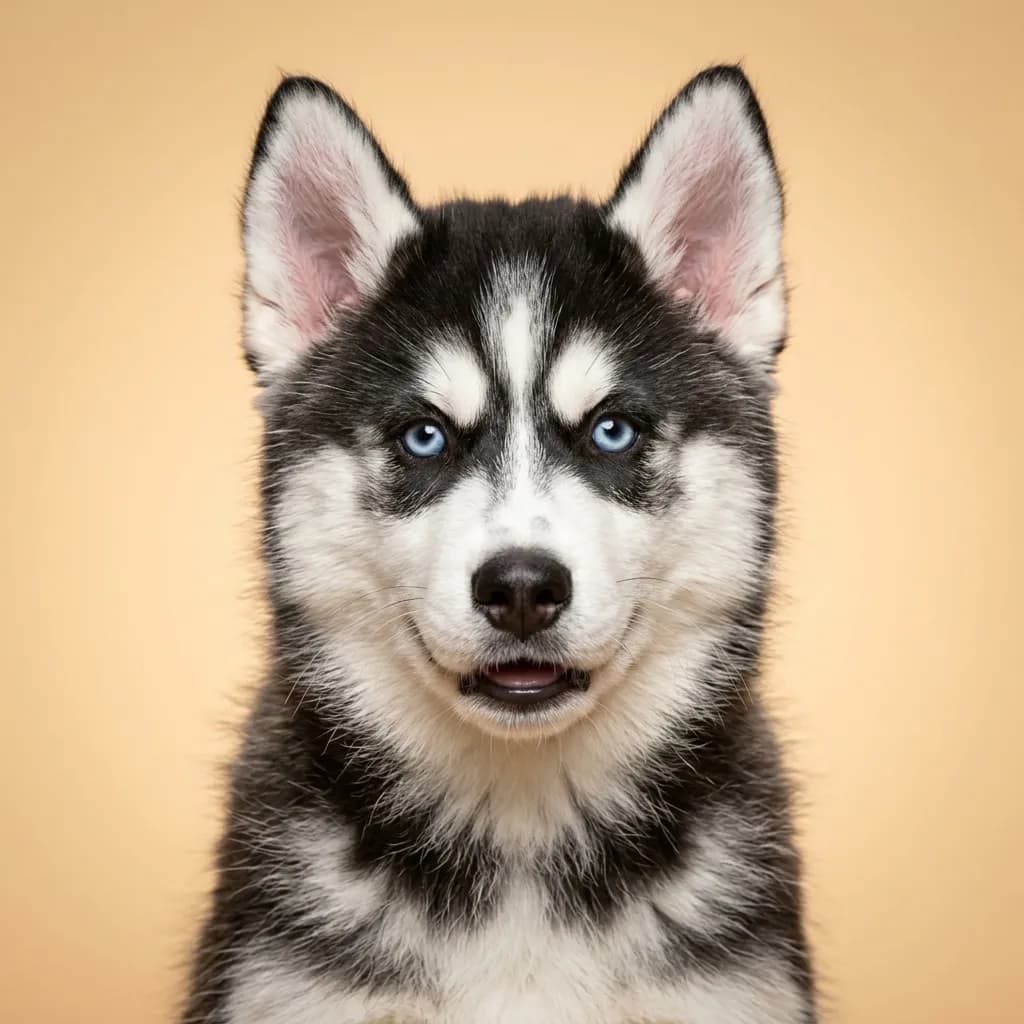
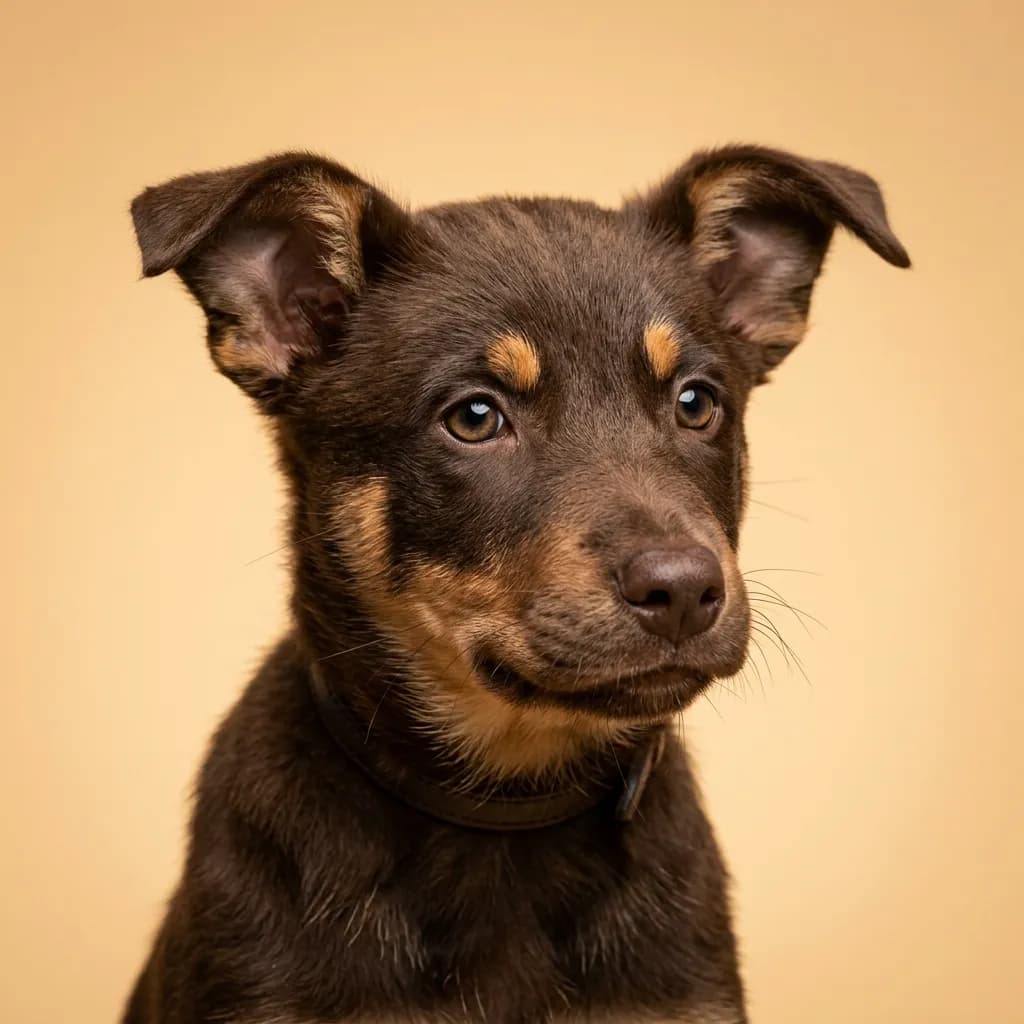
People compare Siberian Huskies and Working Kelpies because they’re both high-energy, rugged dogs built for serious work in tough conditions. At a glance, they even look a little alike—lean, alert, built to move. But if you’re choosing between them, you’re really deciding what kind of chaos you’re ready for. The Husky is the charismatic escape artist with a heart of gold. Bred to run for miles across frozen tundra, they’ll charm your kids, howl at the moon, and vanish the second the backyard gate clicks open. They’re affectionate to a fault and will sleep piled up with your family on the couch—if it’s below 65°F. Above that? Good luck. They shed heavily twice a year and bark or howl constantly, not out of anxiety but because they have opinions and they’re sharing them. The Working Kelpie is different. They don’t want to cuddle after the job’s done—they want another job. Bred to cover 30 miles a day herding sheep under the Australian sun, they’re focused, intensely trainable, and driven in a way that can feel intense in a suburban yard. They’re loyal but not overly affectionate, and they’ll fixate on moving objects—like your kids on bikes, or the neighbor’s cat. If you’re an active family in a cold climate and want a dog that feels like part of the pack, the Husky might be your match. But if you work land, run livestock, or need a dog that thrives on purpose, the Kelpie will transform your life—if you can keep up. Here’s the real talk: Huskies test your patience with stubborn charm. Kelpies test your competence. Pick based on which challenge you’re ready for.
Trait-by-trait
Higher bar = more of that trait. Shedding, barking, drooling, grooming flipped for readability.Where they diverge
Choose the Siberian Husky if…
- Active owners who exercise daily
- Cold climate households
- Families with children
- You value affectionate w/ family — Siberian Husky scores noticeably higher.
Choose the Working Kelpie if…
- Farmers and ranchers
- Experienced dog owners
- Active rural lifestyles
- You value watchdog / protective — Working Kelpie scores higher here.