Skye Terrier vs Welsh Terrier
Side-by-side comparison across all 14 AKC trait ratings, with a clear verdict on which breed fits which kind of household.
Not sure which breed fits your life?
Answer five questions about your home, your schedule, and your tolerance for shedding. We’ll match you to your top three breeds from over 200.
Skye Terrier vs Welsh Terrier
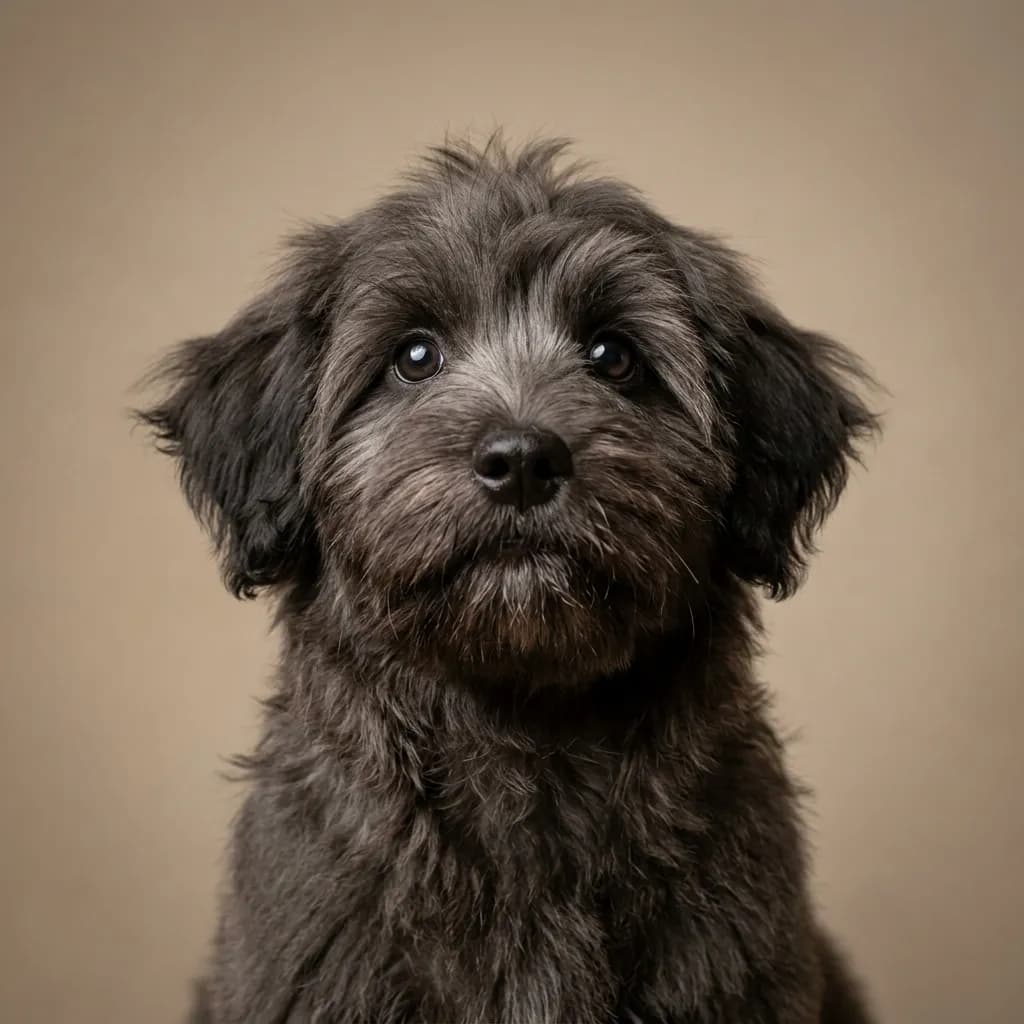
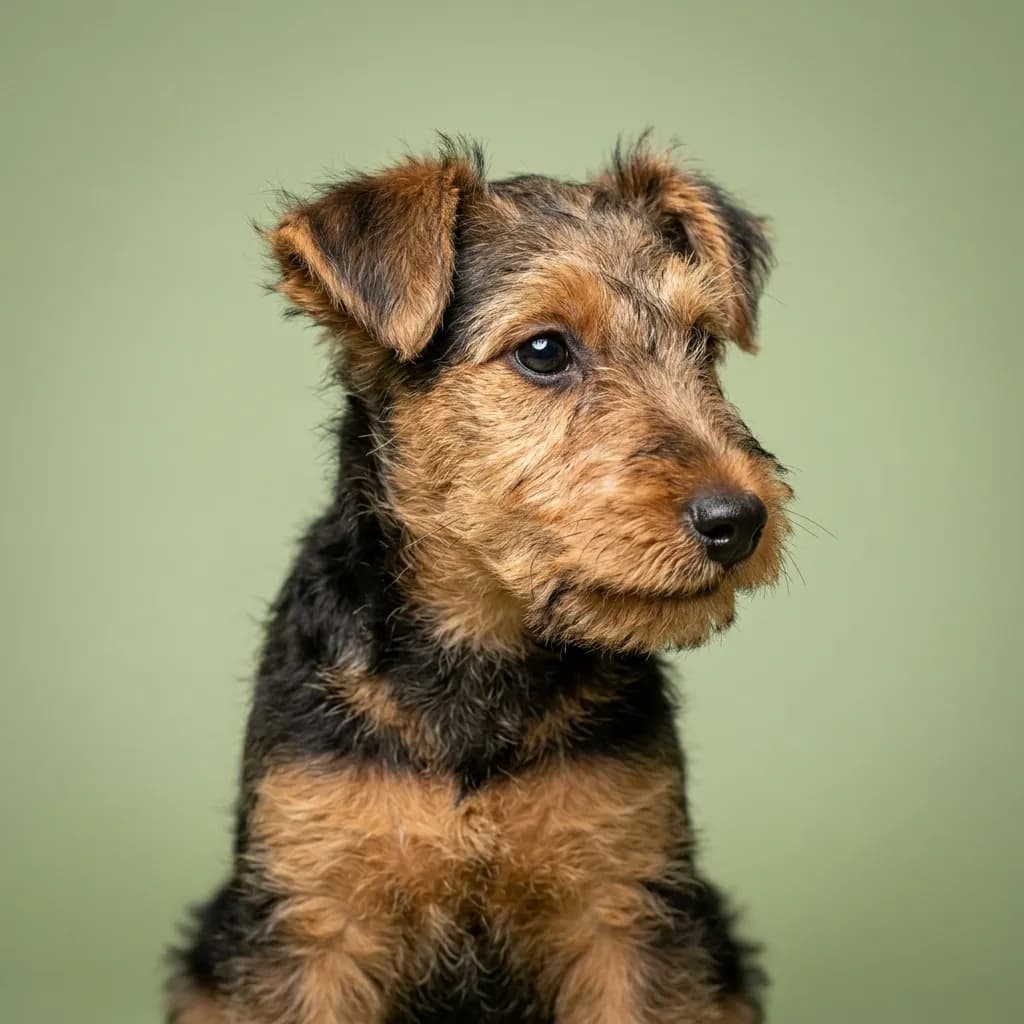
People compare Skye Terriers and Welsh Terriers because they’re both compact, feisty terriers with wiry coats and a legacy of digging up trouble in the British Isles. On paper, they seem like cousins in spirit. But live with either, and you’ll quickly realize they’re built for very different rhythms of life. The Skye Terrier is the quiet philosopher of the two. Low to the ground with a flowing silver coat that demands weekly upkeep, this dog bonds fiercely to its person. It’s calm indoors, almost dignified and it won’t pester you with constant demands. But don’t mistake that calm for compliance. Skyes are independent thinkers, harder to train, and they’ll shut down if you’re too pushy. They’re better suited to a quiet home with older kids, where their loyalty can shine without being overwhelmed. The Welsh Terrier, meanwhile, is Saturday morning energy in dog form. Lighter, taller, and built like a spring, it’s got that classic terrier spark—curious, bold, always ready for a sprint. It’s more adaptable, easier to train, and genuinely adores kids of all ages. Their coat sheds less and needs stripping, but it’s manageable. You’ll need to keep their brain busy or they’ll find their own entertainment—usually involving a hole in your yard. Here’s the real difference no chart tells you: a Skye Terrier chooses you. A Welsh Terrier joins your team. If you want a reserved, velcro-like companion that’s content to follow at your heels, go Skye. If you want a playful partner for family adventures and daily hikes, go Welsh. Both are terriers through and through—stubborn, brave, and loyal—but one whispers devotion, the other barks it with joy.
Trait-by-trait
Higher bar = more of that trait. Shedding, barking, drooling, grooming flipped for readability.Where they diverge
Choose the Skye Terrier if…
- Experienced terrier owners
- Adults and older children households
- Those wanting a loyal, devoted breed
- You value shedding level — Skye Terrier scores noticeably higher.
Choose the Welsh Terrier if…
- Active families
- Those wanting a spirited, playful companion
- Families with children
- You value good with young children — Welsh Terrier scores higher here.