Skye Terrier vs Whippet
Side-by-side comparison across all 14 AKC trait ratings, with a clear verdict on which breed fits which kind of household.

Not sure which breed fits your life?
Answer five questions about your home, your schedule, and your tolerance for shedding. We’ll match you to your top three breeds from over 200.
Skye Terrier vs Whippet
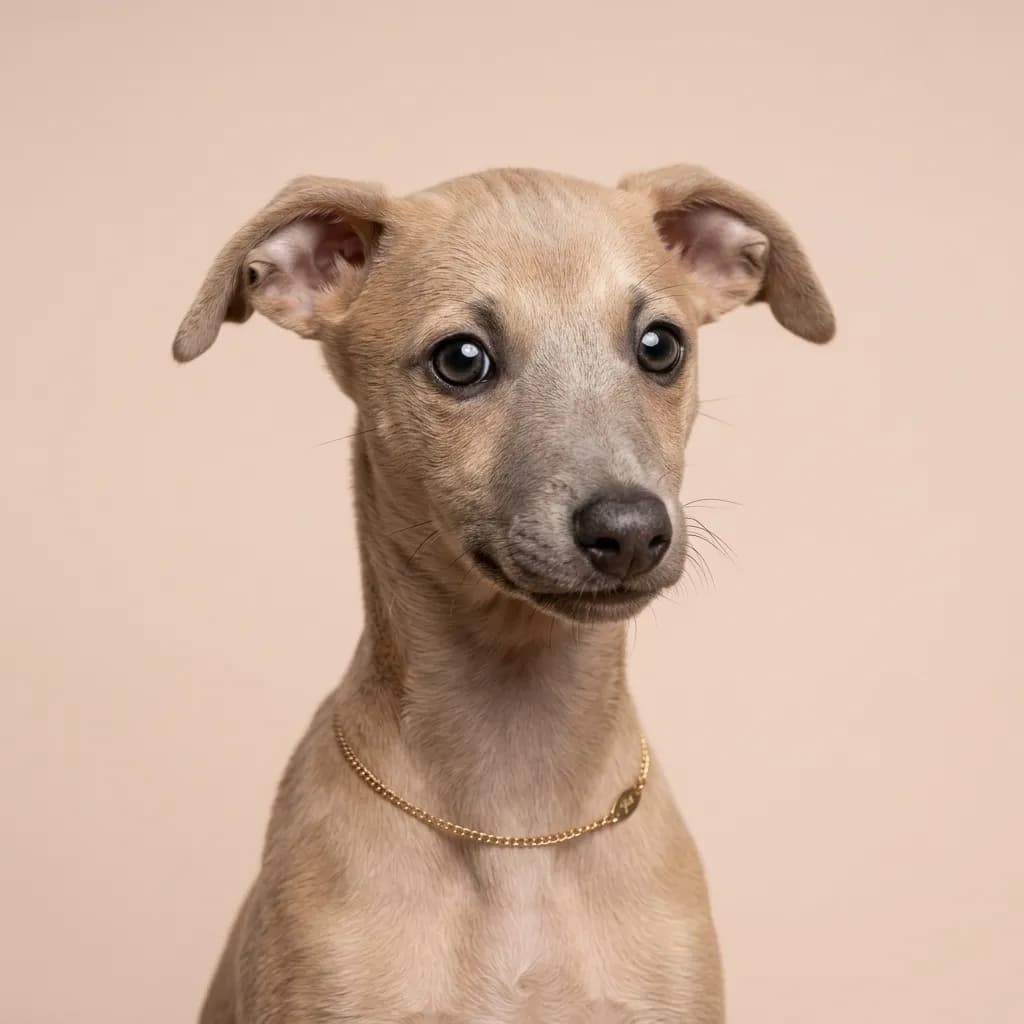
People usually land on Skye Terrier vs Whippet when they want a small-to-medium dog that’s quiet, affectionate, and suited to apartment life. On paper, both are calm indoors and deeply attached to their people. But that’s where the similarity ends. These dogs come from opposite ends of the energy spectrum and were built for entirely different jobs. The Skye Terrier is a low-slung, heavily coated little tank from Scotland, bred to go after fox and badger in rocky dens. They’re courageous and clever, but also stubborn and reserved. You’ll get a fiercely loyal companion who’ll follow you from room to room like a furry shadow. But they’re not quick to warm up to strangers, and their terrier instincts mean they won’t hesitate to chase a squirrel—or worse, a pet hamster. Grooming is a real commitment, with that long silky coat needing weekly attention. The Whippet, by contrast, is elegance in motion. Lean, short-coated, and built for speed, they were made to sprint across open fields in England, chasing rabbits at breakneck speeds. Indoors? They’re couch potatoes. A daily run or brisk walk satisfies them, and they’ll spend the rest of the day curled at your feet. They’re gentle, great with older kids, and hardly bark. But don’t let their calm fool you—they need a secure yard. One sprint instinct and they’re gone. Here’s the thing no breeder brochure tells you: the Skye Terrier bonds deeply with one person and can become anxious or possessive. The Whippet loves the whole family equally and adapts easier to change. If you want a dog that’s more like a devoted guardian, pick the Skye. If you want a graceful, easygoing companion who’ll jog with you and then nap for hours, the Whippet’s your dog.
Trait-by-trait
Higher bar = more of that trait. Shedding, barking, drooling, grooming flipped for readability.Where they diverge
Choose the Skye Terrier if…
- Experienced terrier owners
- Adults and older children households
- Those wanting a loyal, devoted breed
- You value coat grooming — Skye Terrier scores noticeably higher.
Choose the Whippet if…
- Apartment living (if exercised)
- Families with older children
- Runners and joggers
- You value good with young children — Whippet scores higher here.