Sloughi vs Tornjak
Side-by-side comparison across all 14 AKC trait ratings, with a clear verdict on which breed fits which kind of household.
Not sure which breed fits your life?
Answer five questions about your home, your schedule, and your tolerance for shedding. We’ll match you to your top three breeds from over 200.
Sloughi vs Tornjak
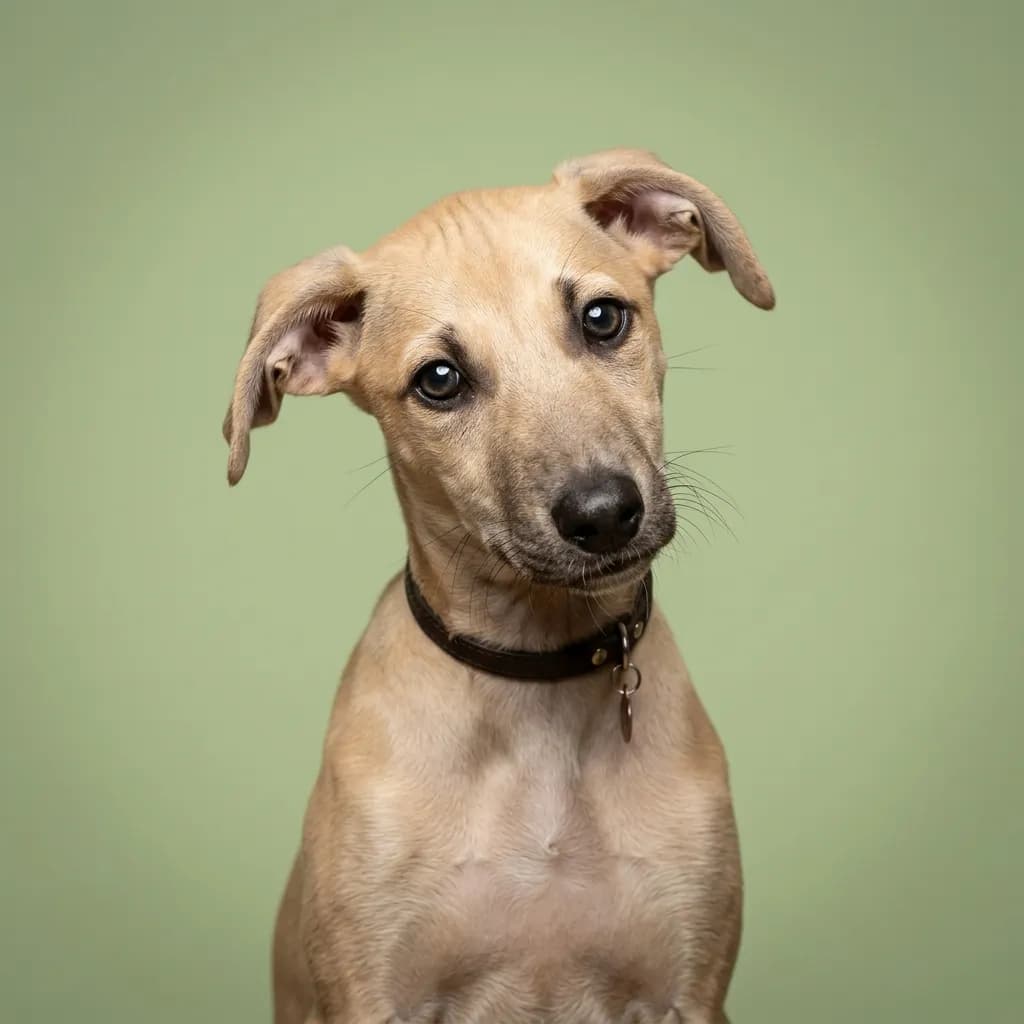
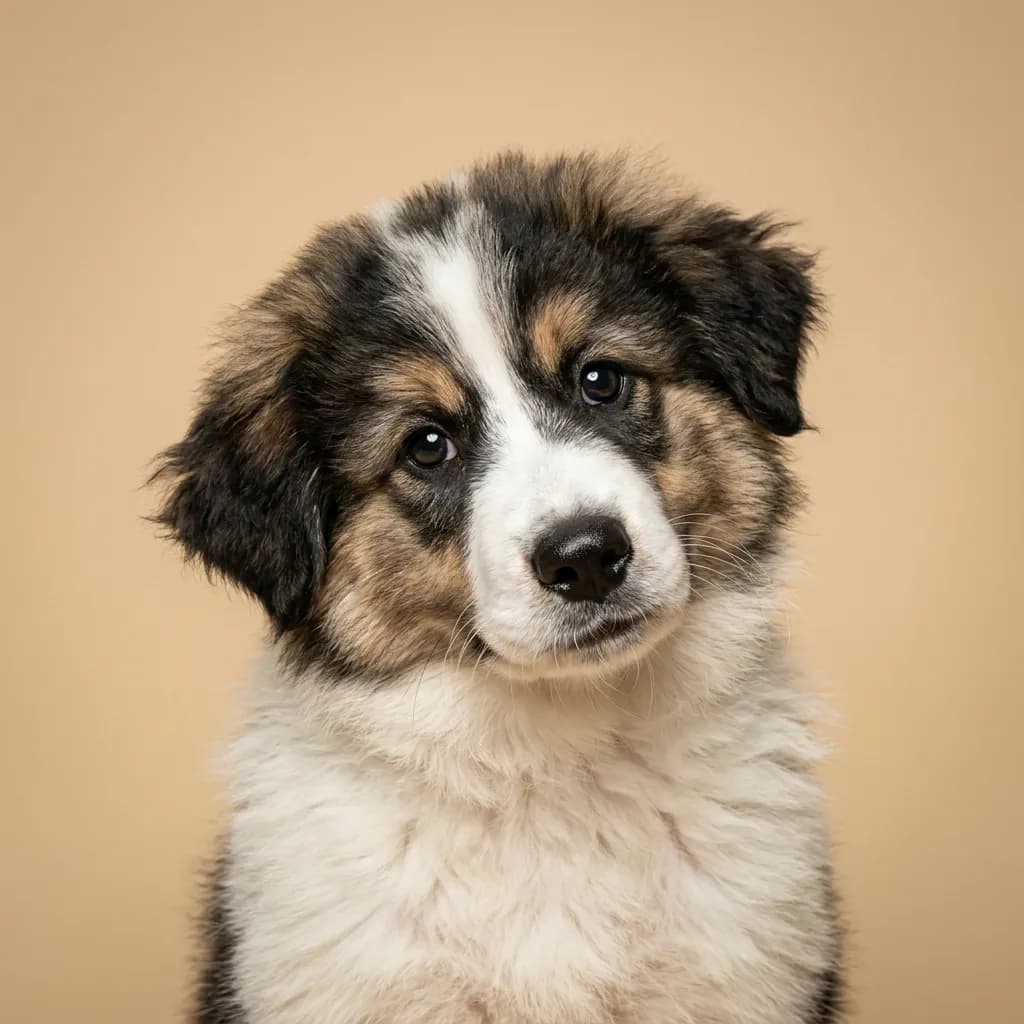
People don’t usually pit a desert ghost against a Balkan mountain guardian—until they’re deep in the weeds of rare breed research, looking for something unique, loyal, and deeply capable. That’s how the Sloughi and Tornjak end up on the same comparison list: both are ancient, both are rare in the U.S., and both demand experienced hands. But beyond rarity, they’re built for entirely different worlds. The Sloughi is elegance in motion—a sighthound sculpted by North African deserts to run down gazelle with silent intensity. You’ll need space, yes, but more than that, you’ll need patience. They’re not aloof, but they’re reserved, especially with strangers, and they bond deeply with one or two people. A fence isn’t optional; it’s survival. Let them off-leash without one and they’ll vanish into the horizon chasing a squirrel. They’re not for the faint of heart or the time-crunched. The Tornjak, on the other hand, is a working mountain dog built for cold, rugged terrain and long nights guarding flocks. They’re heavier, hairier, and louder—not yappy, but they’ll bark to alert. They thrive in rural settings where they have a job and space, but they’re not the independent loners people assume—these dogs are deeply attached and can be sensitive beneath that tough exterior. If you live on a farm in New England and want a guardian, the Tornjak makes sense. If you’re a runner with a secure yard and want a quiet, noble companion who moves like poetry, the Sloughi might steal your heart. Here’s the unspoken truth: both breeds look noble in photos, but they’re not “easy” noble. They come with baggage—health quirks, training challenges, and deep instincts. You’re not just choosing a dog. You’re signing up for a relationship that demands respect, not control.
Trait-by-trait
Higher bar = more of that trait. Shedding, barking, drooling, grooming flipped for readability.Where they diverge
Choose the Sloughi if…
- Experienced sighthound owners
- Active owners with running space
- Those wanting a sensitive, loyal companion
- You value good with other dogs — Sloughi scores noticeably higher.
Choose the Tornjak if…
- Experienced large-breed owners
- Farm or rural settings
- Livestock guardian needs
- You value watchdog / protective — Tornjak scores higher here.