Slovensky Kopov vs Tornjak
Side-by-side comparison across all 14 AKC trait ratings, with a clear verdict on which breed fits which kind of household.
Not sure which breed fits your life?
Answer five questions about your home, your schedule, and your tolerance for shedding. We’ll match you to your top three breeds from over 200.
Slovensky Kopov vs Tornjak
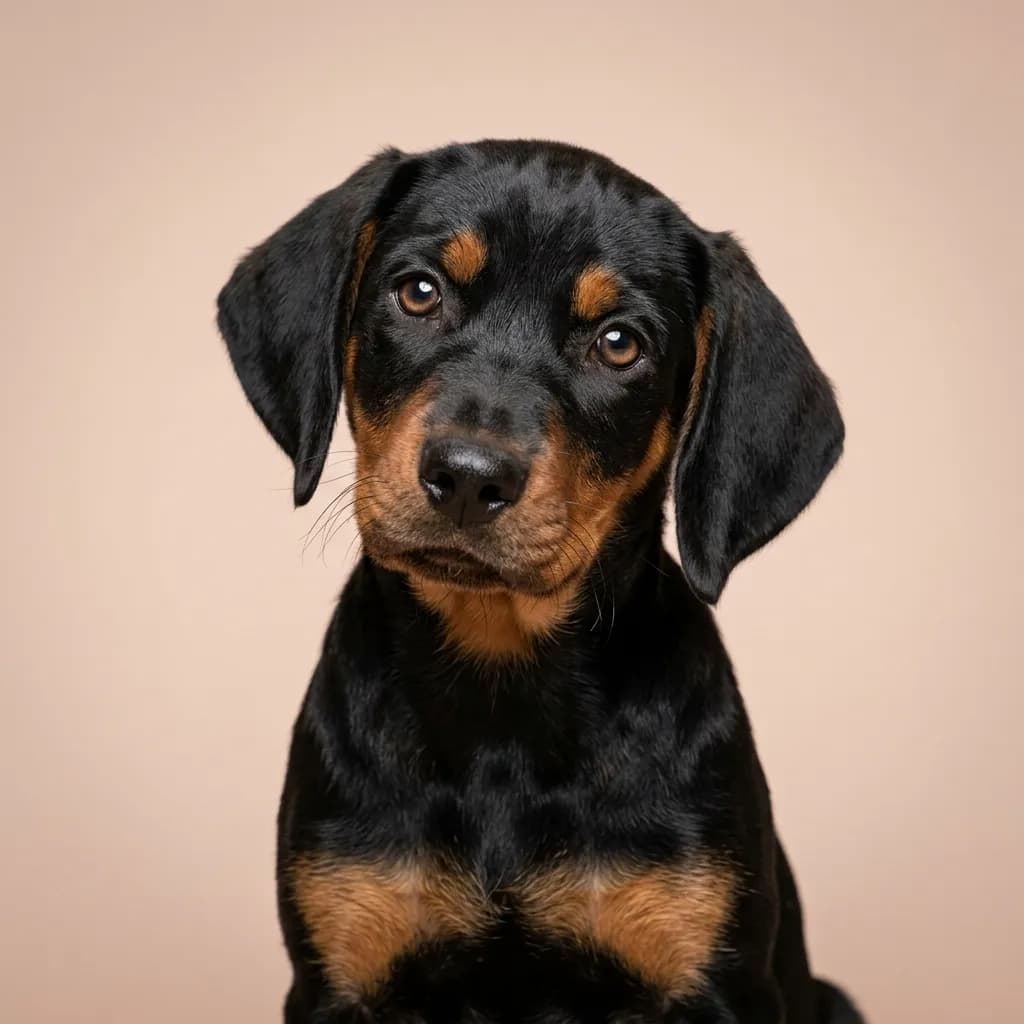
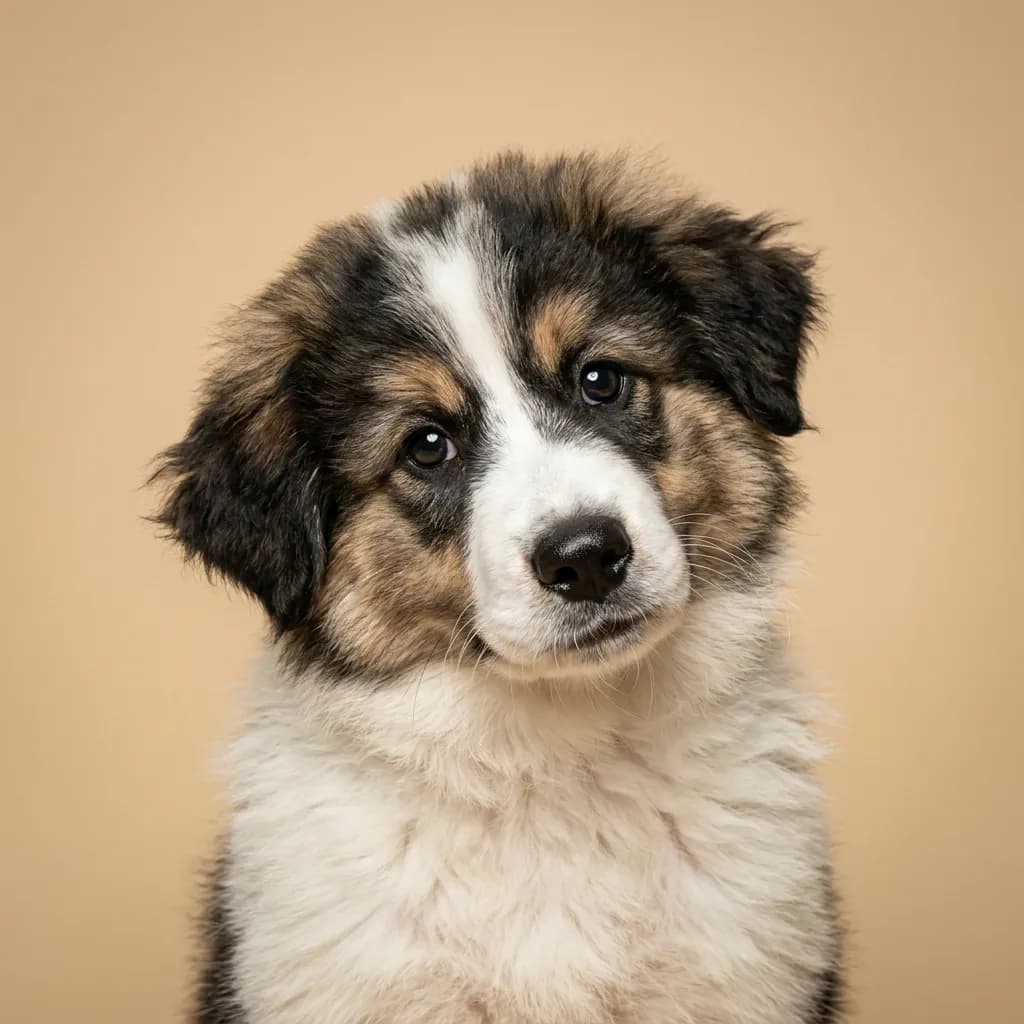
People compare the Slovensky Kopov and Tornjak because both are rare, Eastern European working dogs with deep roots in rugged terrain and harsh climates. At first glance, they might seem like two sides of the same coin—loyal, cold-hardy, and built for purpose. But their jobs shaped them into very different companions. The Slovensky Kopov is a lean, focused scent hound bred to track wild boar through Slovakian forests. It’s not big in size—around 40 pounds—but it’s packed with determination. Think of it as the precision tool: agile, mentally sharp, and happiest when given a trail to follow. It bonds closely with its handler and thrives on consistent training. You’ll need time for mental games and long hikes, and a yard that won’t let it wander. It’s not overly loud, but it will bark when alert. Kids aren’t its top priority; focus is. The Tornjak is a different beast—literally. At up to 110 pounds, it’s a livestock guardian with a thick double coat and a calm, watchful presence. This dog isn’t chasing game; it’s patrolling boundaries, reading threats, and making its own decisions. That means it’s more independent, less eager to please, and needs an owner who understands canine leadership. It’s affectionate with family but aloof with strangers. And that coat? It sheds heavily, especially in spring. Here’s the real talk: the Kopov suits hunters or active owners who want a trainable, driven partner. The Tornjak fits best on a farm with space, a job, and someone who doesn’t mind a dog that thinks for itself. Both need cold weather and room, but the Kopov wants direction, the Tornjak wants purpose. Choose based on whether you need a tracker or a guardian—not just size or coat.
Trait-by-trait
Higher bar = more of that trait. Shedding, barking, drooling, grooming flipped for readability.Where they diverge
Choose the Slovensky Kopov if…
- hunters
- active rural owners
- experienced scent hound handlers
- You value good with other dogs — Slovensky Kopov scores noticeably higher.
Choose the Tornjak if…
- Experienced large-breed owners
- Farm or rural settings
- Livestock guardian needs
- You value watchdog / protective — Tornjak scores higher here.