Slovensky Kopov vs Tosa
Side-by-side comparison across all 14 AKC trait ratings, with a clear verdict on which breed fits which kind of household.
Not sure which breed fits your life?
Answer five questions about your home, your schedule, and your tolerance for shedding. We’ll match you to your top three breeds from over 200.
Slovensky Kopov vs Tosa
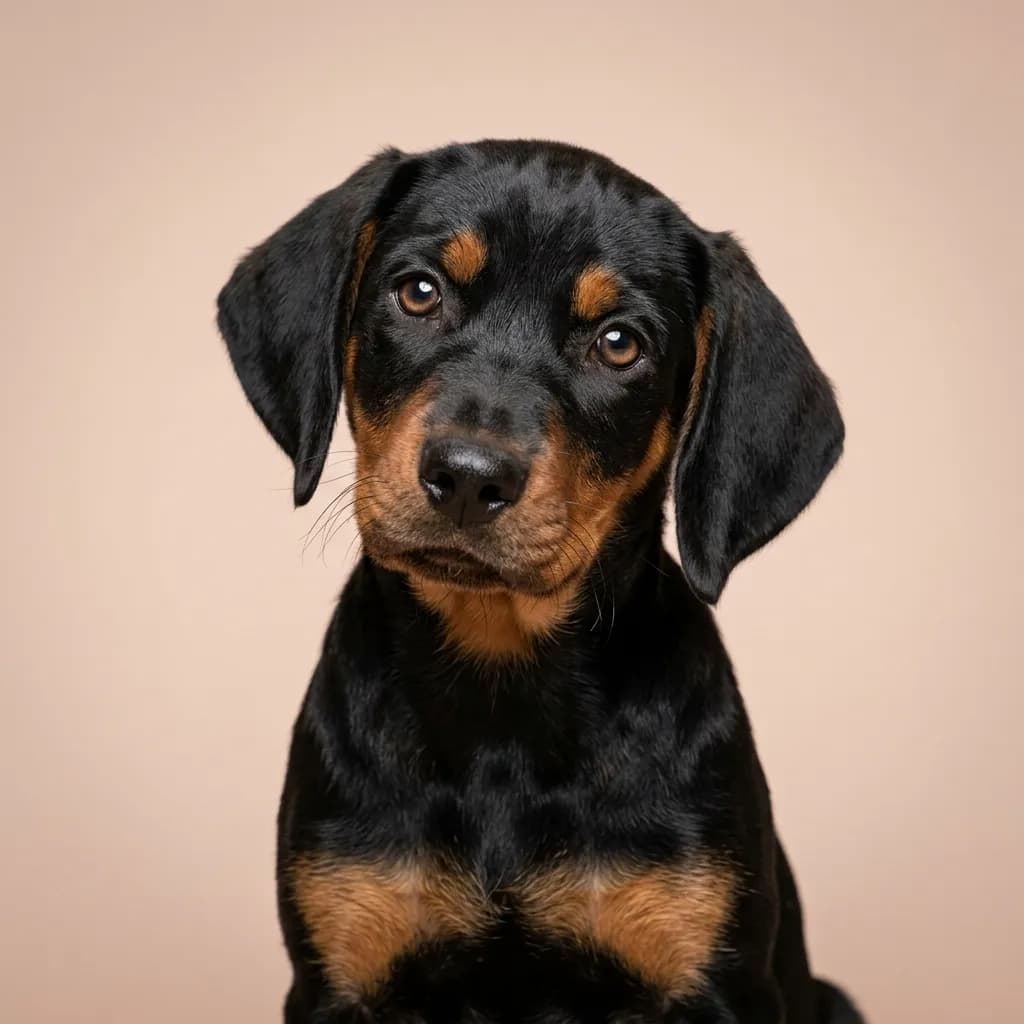
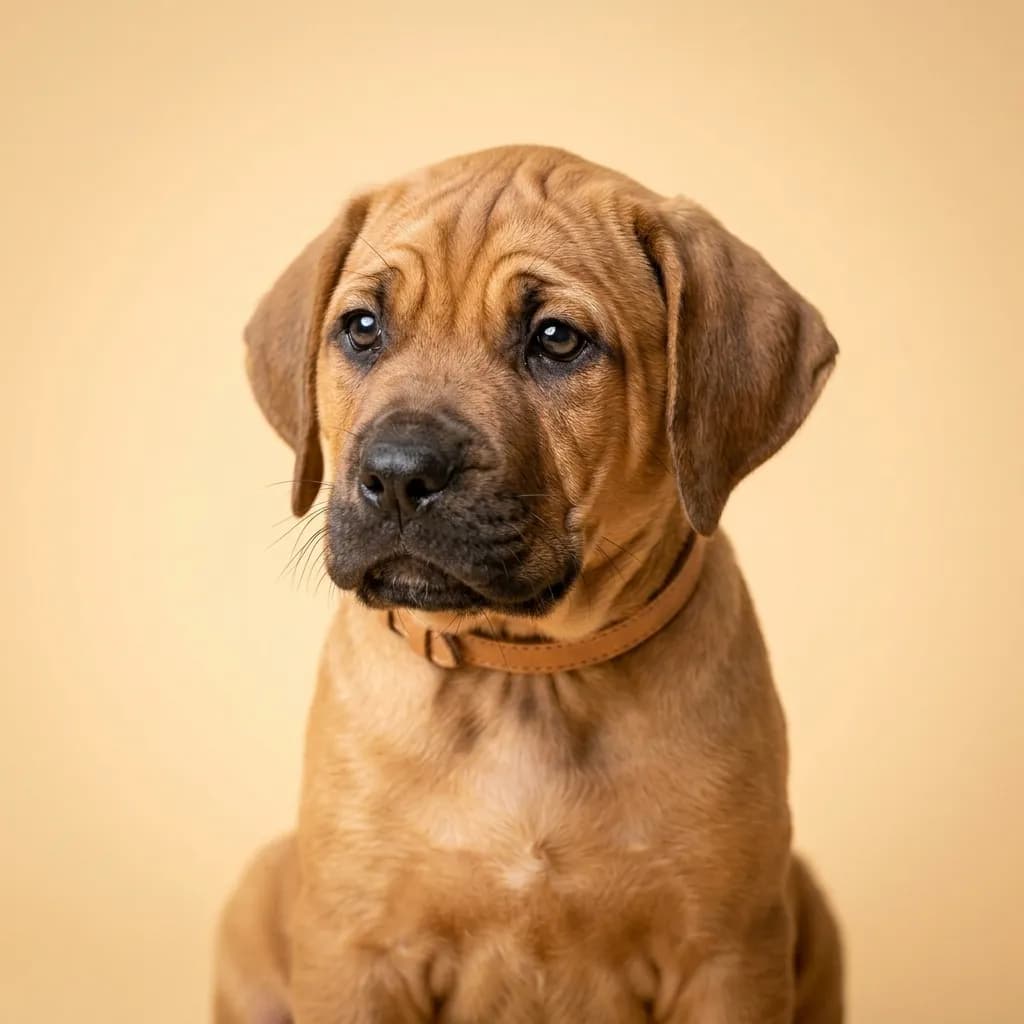
You don’t stumble into comparing a Slovensky Kopov and a Tosa by accident. These aren’t casual picks. People pit them against each other because they’re both rare, both intense in their own way, and both demand commitment. But that’s where the similarities end. The Kopov is a working hunter from Slovakia’s dense forests, built to trail wild boar for hours in cold terrain. At 40 pounds and 20 inches, it’s athletic, focused, and wired for scent work. It’s not overly loud, but it will bark when it needs to, and it needs a job. You’ll need to clean muddy paws often—this dog sheds and thrives outdoors. It’s alert and affectionate in a reserved way, like a seasoned woodsman who nods at you but doesn’t hug. It’s not for city life. If you’re in an apartment or want a chill couch dog, look elsewhere. The Tosa is a different beast—literally. At up to 200 pounds, it’s a mountain of calm muscle with roots in Japanese dog fighting. Today, it’s bred for quiet loyalty, not combat. It moves slowly, thinks slowly, and needs experienced hands. This isn’t a dog you wing it with. It’s affectionate with its family, especially respectful kids, but aloof with strangers. It sheds less than the Kopov, but its size alone makes it a logistical challenge. You’re not just feeding a dog—you’re fueling a small horse. Here’s the real talk: the Kopov needs mental work like breathing. The Tosa needs space and structure like oxygen. Pick the Kopov if you hunt, hike, or live on acreage and want a partner. Pick the Tosa only if you’ve handled large guarding breeds before and have the room, resources, and resolve. One truth the data won’t tell you: both breeds bond deeply—but the Tosa will shadow you silently, while the Kopov will look to you for direction, then go do the job.
Trait-by-trait
Higher bar = more of that trait. Shedding, barking, drooling, grooming flipped for readability.Where they diverge
Choose the Slovensky Kopov if…
- hunters
- active rural owners
- experienced scent hound handlers
- You value good with other dogs — Slovensky Kopov scores noticeably higher.
Choose the Tosa if…
- very experienced large-breed owners
- homes with secure property
- owners seeking a calm giant breed companion
- You value watchdog / protective — Tosa scores higher here.