Spanish Mastiff vs Tornjak
Side-by-side comparison across all 14 AKC trait ratings, with a clear verdict on which breed fits which kind of household.
Not sure which breed fits your life?
Answer five questions about your home, your schedule, and your tolerance for shedding. We’ll match you to your top three breeds from over 200.
Spanish Mastiff vs Tornjak
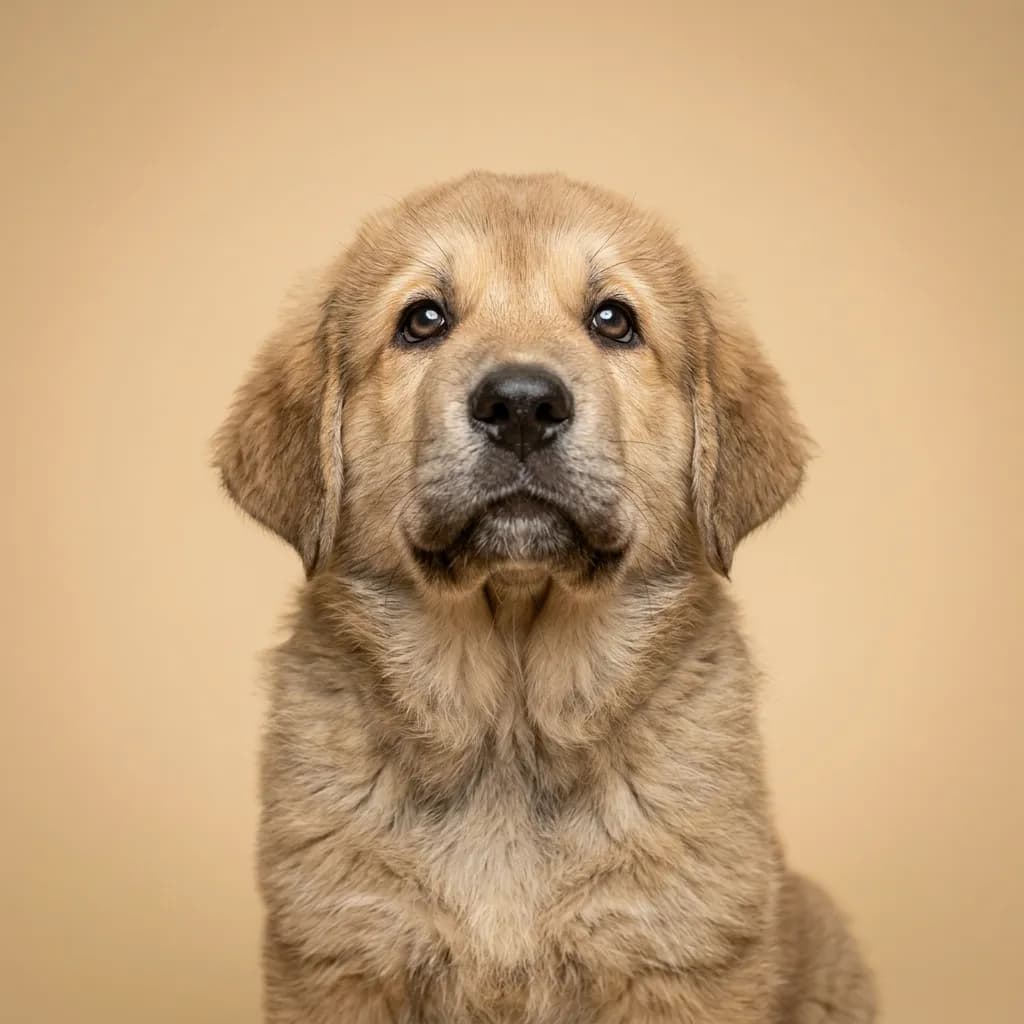
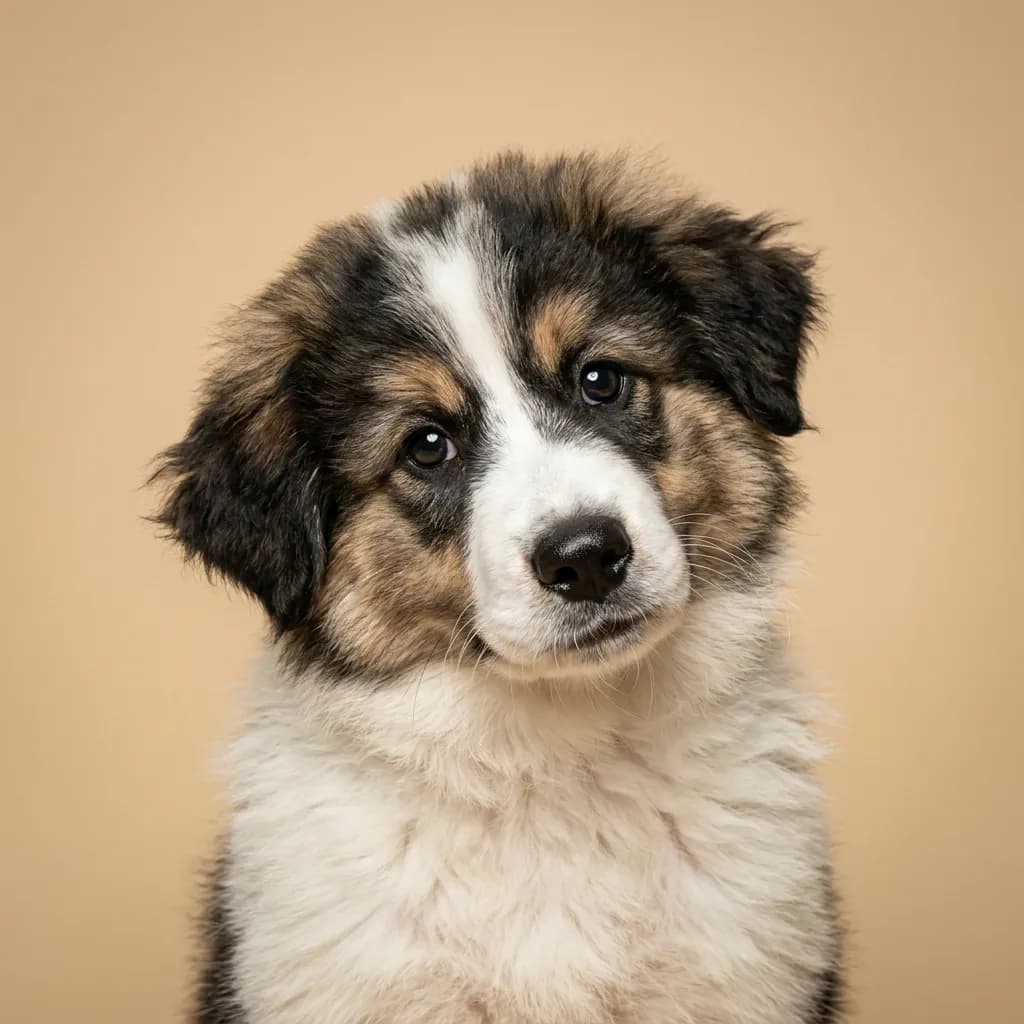
People compare the Spanish Mastiff and Tornjak because they’re both rare, large guardian breeds with calm reputations and deep roots in pastoral life. If you’re looking for a dog to patrol a country property and bond fiercely with your family, both fit the mold. But the differences become crystal clear once you live with them. The Spanish Mastiff is a mountain. At nearly 200 pounds, it’s a silent, imposing presence that moves with deliberate calm. It's bred to endure weeks on the move with flocks across the Spanish plains, which means it’s self-reliant, low-energy, and indifferent to constant human chatter. It won’t bark much, but its sheer size is the deterrent. Still, it’s deeply affectionate with its people—just on its own terms. This dog needs space, cool weather, and an owner who understands that “training” a guardian breed means guiding instincts, not overriding them. The Tornjak, while still substantial, is more agile and responsive. Bred for the rugged Balkan mountains, it’s got a thicker coat, barks more readily as a natural alarm, and shows slightly more flexibility in thinking. It bonds closely and can be a bit more engaging with kids—but that coat sheds heavily, and it needs colder weather to thrive. Here’s what the data won’t tell you: neither breed forgives poor management. But the Spanish Mastiff will tolerate solitude better, while the Tornjak craves more involvement in family rhythms. Choose the Mastiff if you want a stoic, living statue of a guardian. Choose the Tornjak if you want a loyal, weatherproof sentinel who’s slightly more tuned in to daily life. Either way, you’re not just getting a dog. You’re taking on a responsibility that stretches back centuries.
Trait-by-trait
Higher bar = more of that trait. Shedding, barking, drooling, grooming flipped for readability.Where they diverge
Choose the Spanish Mastiff if…
- Experienced large-breed owners
- Farm or rural settings
- Livestock guardian needs
- You value good with other dogs — Spanish Mastiff scores noticeably higher.
Choose the Tornjak if…
- Experienced large-breed owners
- Farm or rural settings
- Livestock guardian needs
- You value barking level — Tornjak scores higher here.