Spanish Water Dog vs Tornjak
Side-by-side comparison across all 14 AKC trait ratings, with a clear verdict on which breed fits which kind of household.
Not sure which breed fits your life?
Answer five questions about your home, your schedule, and your tolerance for shedding. We’ll match you to your top three breeds from over 200.
Spanish Water Dog vs Tornjak
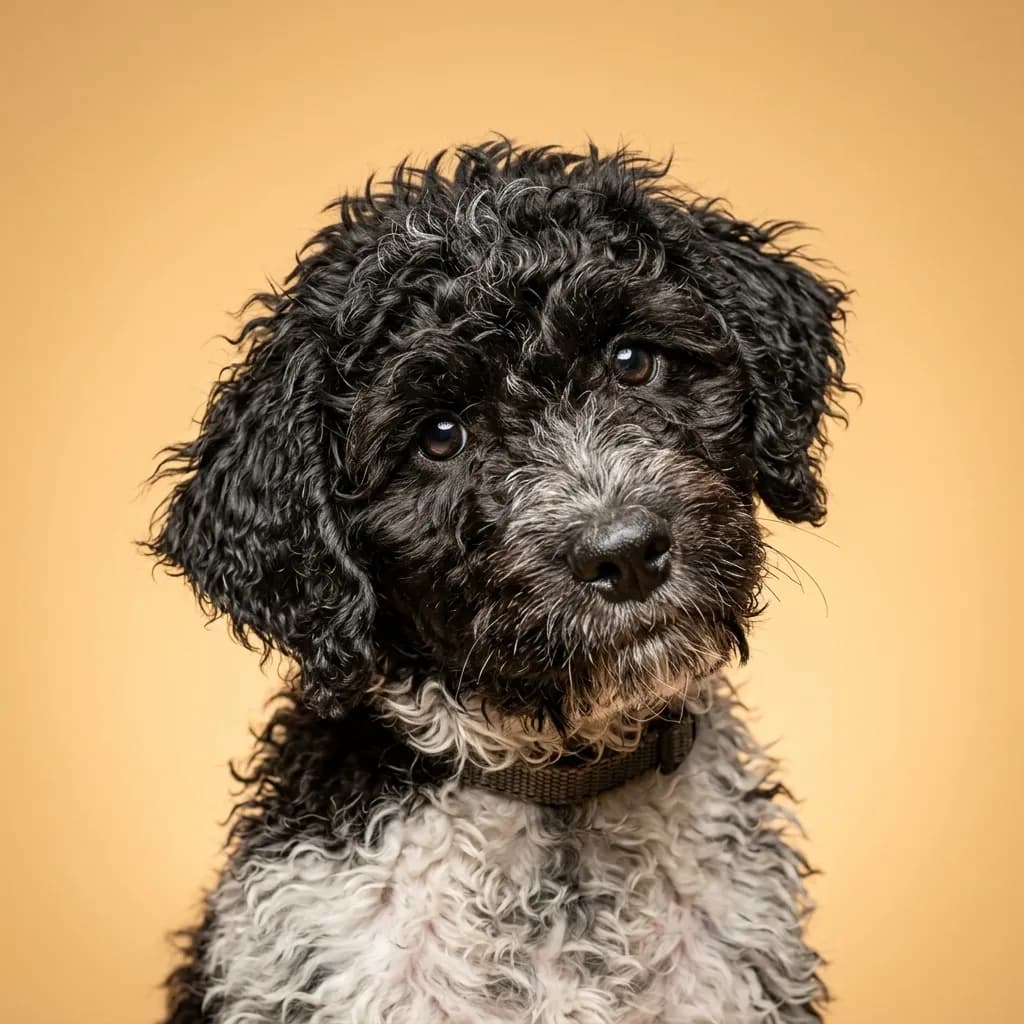
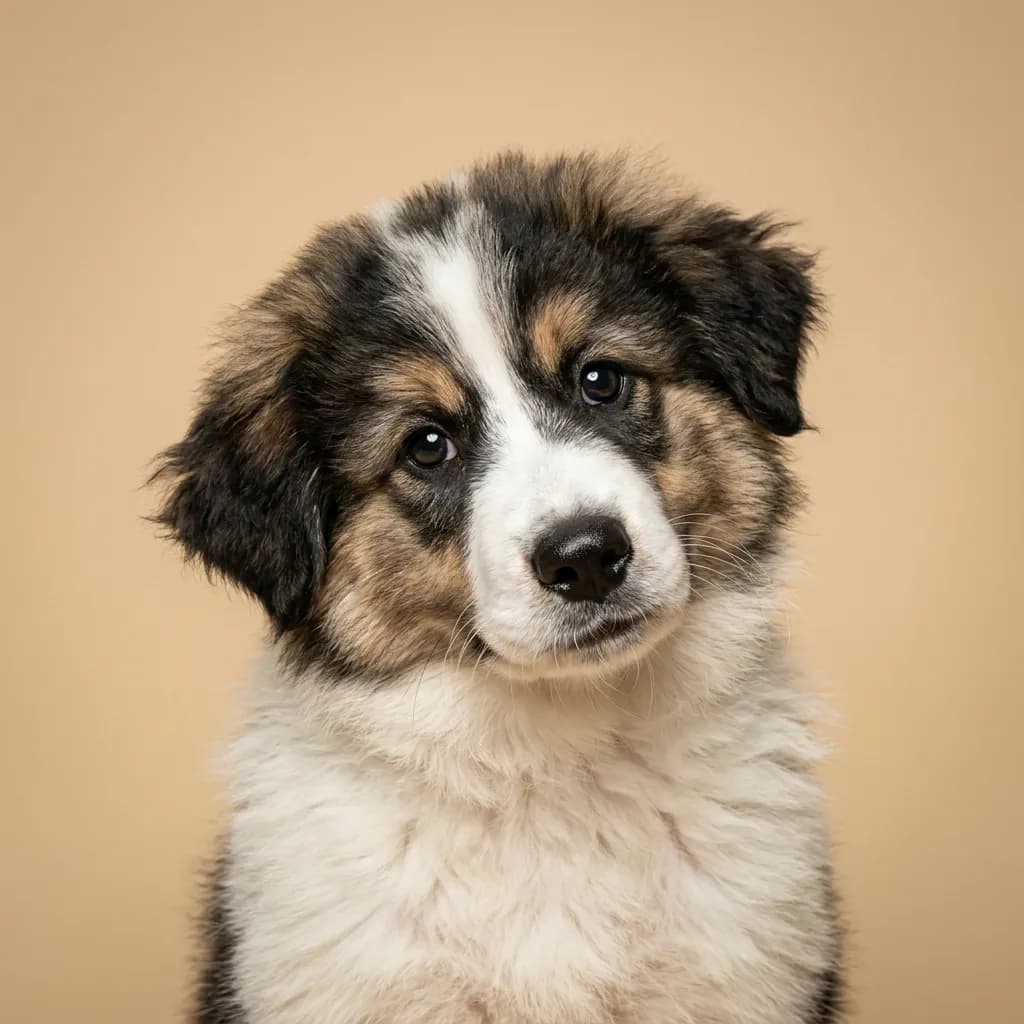
You don’t see Spanish Water Dogs and Tornjaks side by side at dog parks—these breeds come from different worlds. But if you’re digging into lesser-known working dogs with natural instincts and deep loyalty, you might find yourself comparing them. One’s a bouncy, compact herder from Mediterranean Spain; the other’s a massive, calm mountain guardian from the Balkans. They’re both working breeds, but that’s where the real similarities end. The Spanish Water Dog is your partner in motion. At 35 to 50 pounds, he’s agile, smart, and always ready for agility, dock diving, or a long trail run. His curly, low-shedding coat is a win for allergy sufferers, but if you’re not prepared to let him cord naturally—no, you don’t need to force it, it happens—you’ll spend time grooming. He bonds tightly, thrives on mental challenges, and needs an owner who moves as much as he does. If you’re into dog sports or want a devoted, interactive companion, he’s magic. The Tornjak? He’s not your workout buddy. He’s your property’s quiet sentinel. At up to 110 pounds, with a thick double coat, he’s built for cold, rugged terrain and long, solitary nights guarding sheep. He’s loyal and affectionate with family but reserved with strangers, and he needs space—both physically and mentally. Training takes patience; he’s independent by design. Apartment living? Forget it. Hot climates? Dangerous. Here’s the real talk: the Spanish Water Dog will lean into your life, eager to join your adventures. The Tornjak will tolerate your presence as he fulfills his ancient job. Pick the SWD if you want a co-pilot. Pick the Tornjak only if you need a guardian—and know how to lead a dominant, powerful dog.
Trait-by-trait
Higher bar = more of that trait. Shedding, barking, drooling, grooming flipped for readability.Where they diverge
Choose the Spanish Water Dog if…
- Active owners
- Allergy sufferers
- Dog sports enthusiasts
- You value good with other dogs — Spanish Water Dog scores noticeably higher.
Choose the Tornjak if…
- Experienced large-breed owners
- Farm or rural settings
- Livestock guardian needs
- You value shedding level — Tornjak scores higher here.