Stabyhoun vs Swedish Vallhund
Side-by-side comparison across all 14 AKC trait ratings, with a clear verdict on which breed fits which kind of household.
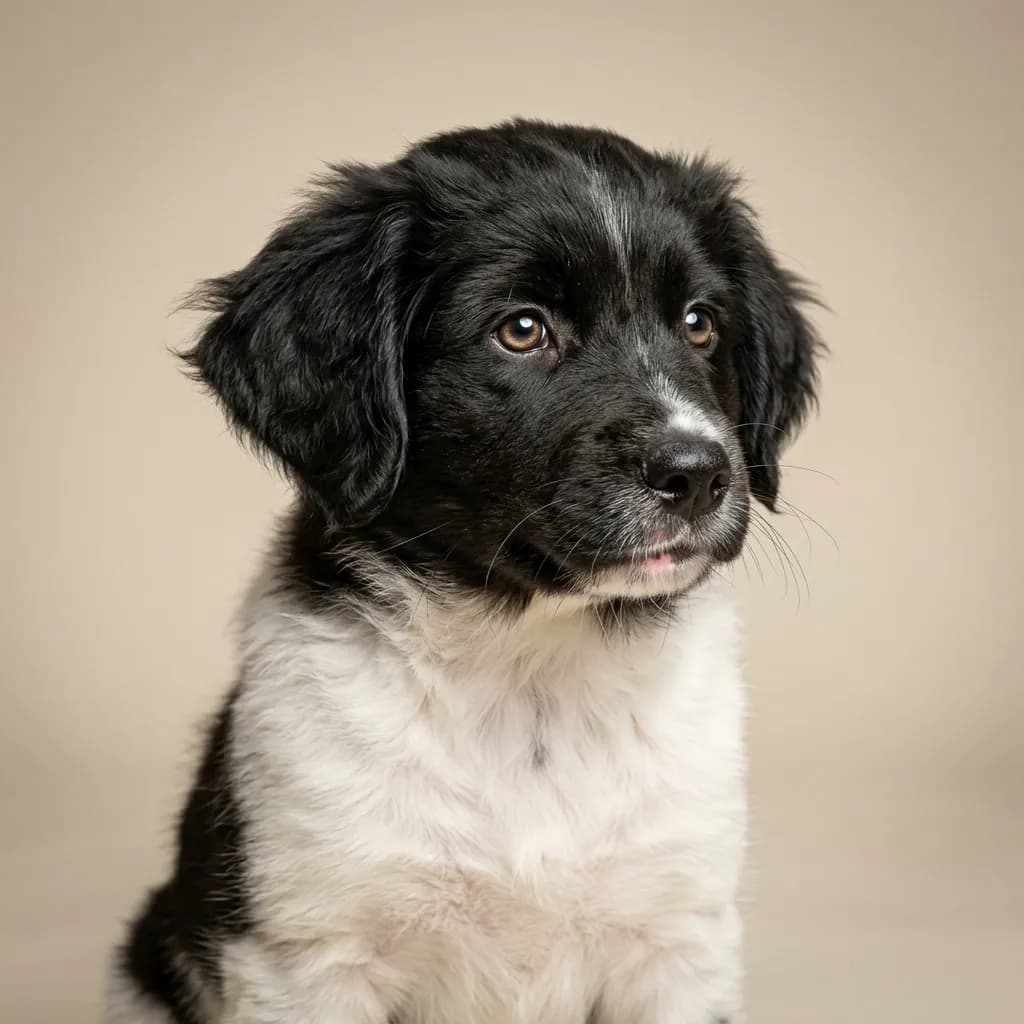
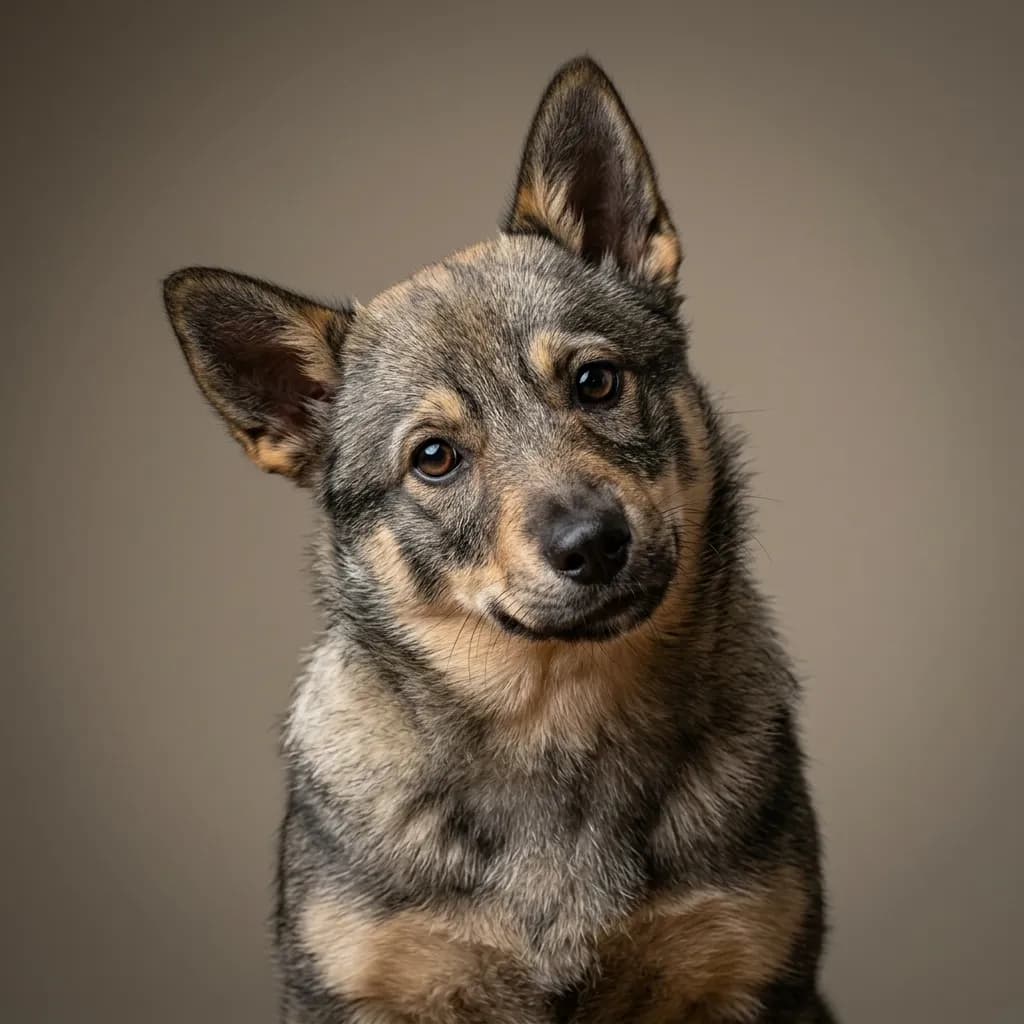
Not sure which breed fits your life?
Answer five questions about your home, your schedule, and your tolerance for shedding. We’ll match you to your top three breeds from over 200.
Stabyhoun vs Swedish Vallhund
You’re not going to stumble on a Stabyhoun at the dog park. Or a Swedish Vallhund, for that matter. These are rare breeds with quiet reputations and loud personalities once you get to know them. People compare them because both are energetic, smart, and family-friendly—on paper, they check the same boxes. But in real life, they feel worlds apart. The Stabyhoun is a gentle giant in spirit, built like a farmhand who also moonlights as a therapist. At nearly twice the size of the Vallhund, this Dutch retriever thrives when he’s working—swimming through marshes, pointing at game, or mastering an agility course. He’s deeply sensitive, eager to please, and bonds tightly with his people. You’ll need space, time, and a willingness to keep his mind busy. A bored Stabyhoun isn’t destructive, he’s heartbroken. The Vallhund, meanwhile, is a Viking in a small package. Low to the ground with a fox-like spark, he was bred to nip at cow heels and stay alert for miles. He’s scrappy, bold, and endlessly entertaining. He adapts well to smaller homes—just don’t expect silence. He’ll bark at the mail truck, the neighbor’s cat, and his own shadow. But he’s also patient with kids and surprisingly easy to train for a herding breed. Here’s the real difference: the Stabyhoun wants to be your partner in quiet purpose. The Vallhund wants to be the star of the show. If you’re active but calm, love water and field sports, and want a loyal shadow—go Stabyhoun. If you want a bold, compact herder with endless personality and don’t mind a little noise—Vallhund’s your dog. Just know: neither will let you have a lazy Sunday.
Trait-by-trait
Higher bar = more of that trait. Shedding, barking, drooling, grooming flipped for readability.Where they diverge
Choose the Stabyhoun if…
- active families
- hunters and waterfowl retrievers
- dog sport enthusiasts
- You value good with other dogs — Stabyhoun scores noticeably higher.
Choose the Swedish Vallhund if…
- Active families
- Dog sports enthusiasts
- First-time dog owners willing to train
- You value shedding level — Swedish Vallhund scores higher here.