Swedish Vallhund vs Tibetan Spaniel
Side-by-side comparison across all 14 AKC trait ratings, with a clear verdict on which breed fits which kind of household.

Not sure which breed fits your life?
Answer five questions about your home, your schedule, and your tolerance for shedding. We’ll match you to your top three breeds from over 200.
Swedish Vallhund vs Tibetan Spaniel
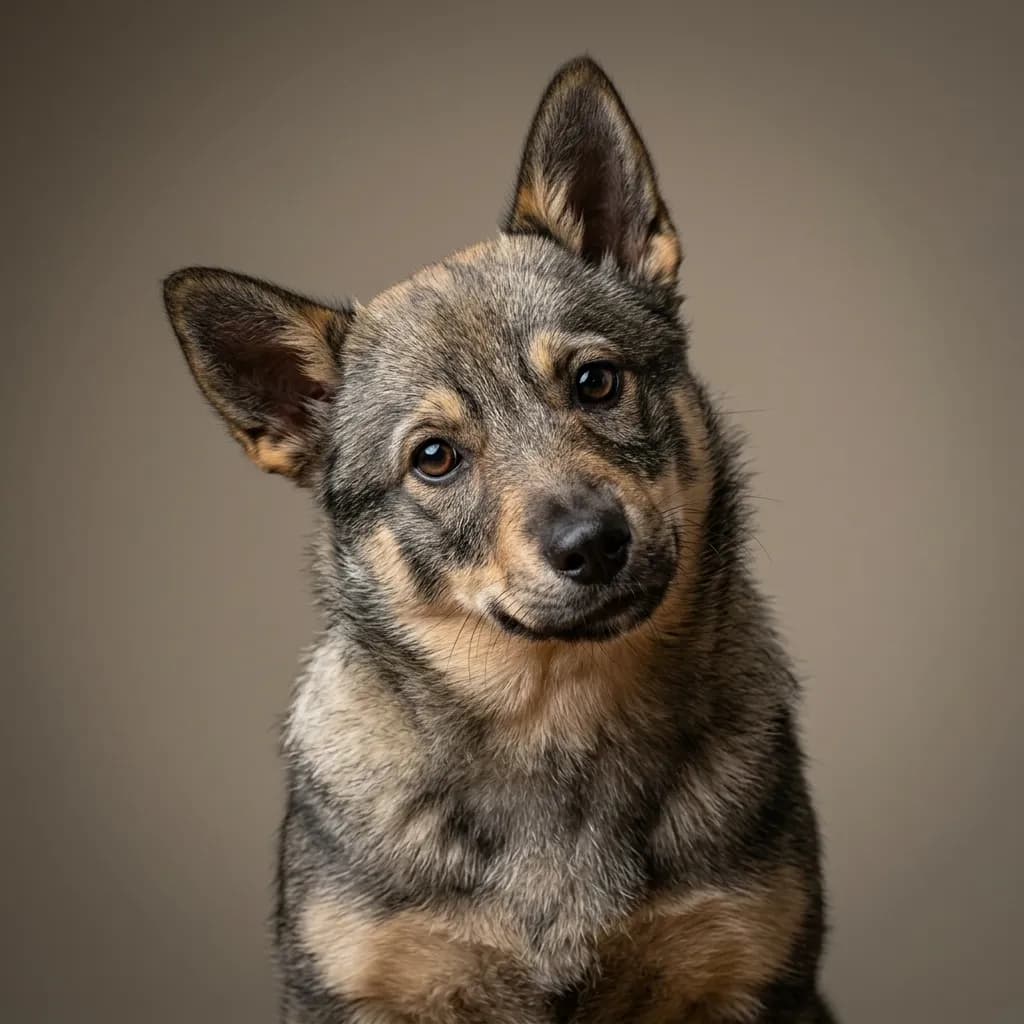
People compare the Swedish Vallhund and Tibetan Spaniel because they’re both small, sturdy, and look a little like spitz-type dogs with big personalities packed into compact frames. At first glance, you might think they’re cut from the same cloth—especially if you’re drawn to alert, loyal companions that don’t take up much space. But once you live with them, the differences hit you fast. The Vallhund is a herding dog through and through. It’s longer than it is tall, built low to the ground like a stocky little Viking workhorse. This dog wants to move. It thrives on tasks, dog sports, and daily challenges. You’ll need to give it jobs or it’ll invent its own—like rounding up your kids or barking at squirrels like they’ve committed treason. It’s incredibly smart and eager to please, but that energy means it won’t do well with someone who just wants a lapdog. The Tibetan Spaniel, on the other hand, was bred to sit on monastery windowsills watching for intruders, not chase livestock across fields. It’s quieter in motion, more observant than active. It’s affectionate and charming, but with a hint of independence that says, “I’ll come to you when I’m ready.” It’s better suited to a slower pace—apartments, senior households, or homes where someone’s around most of the time. The real insight? The Vallhund acts big despite its size. The Tibetan Spaniel knows it’s small and carries itself like royalty. If you want a dog that plays like a border collie in a wiener dog’s body, go Vallhund. If you want a dignified, loving companion who’ll keep you on your toes without wearing you out, the Tibetan Spaniel might be your match.
Trait-by-trait
Higher bar = more of that trait. Shedding, barking, drooling, grooming flipped for readability.Where they diverge
Choose the Swedish Vallhund if…
- Active families
- Dog sports enthusiasts
- First-time dog owners willing to train
- You value shedding level — Swedish Vallhund scores noticeably higher.
Choose the Tibetan Spaniel if…
- Apartment living
- Seniors
- Families with gentle children
- You value good with strangers — Tibetan Spaniel scores higher here.