Tornjak vs Wetterhoun
Side-by-side comparison across all 14 AKC trait ratings, with a clear verdict on which breed fits which kind of household.
Not sure which breed fits your life?
Answer five questions about your home, your schedule, and your tolerance for shedding. We’ll match you to your top three breeds from over 200.
Tornjak vs Wetterhoun
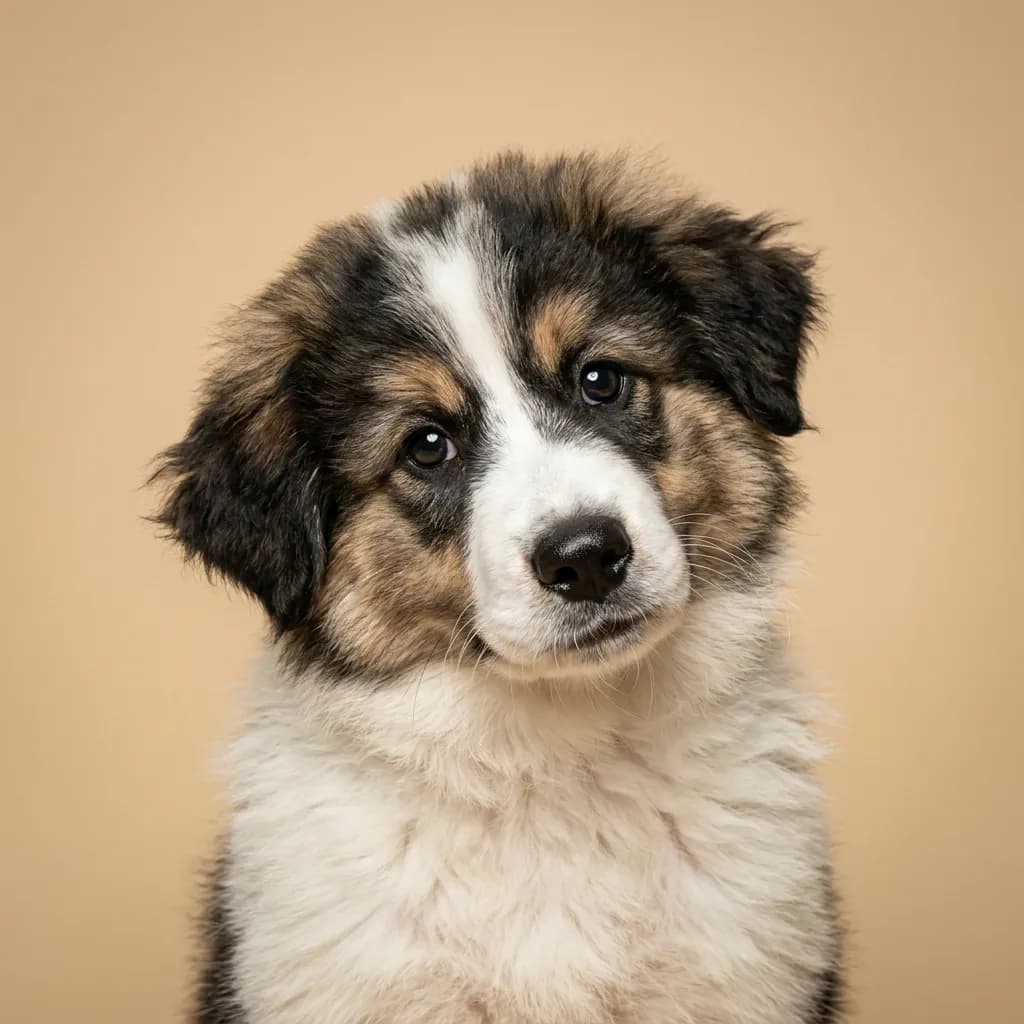
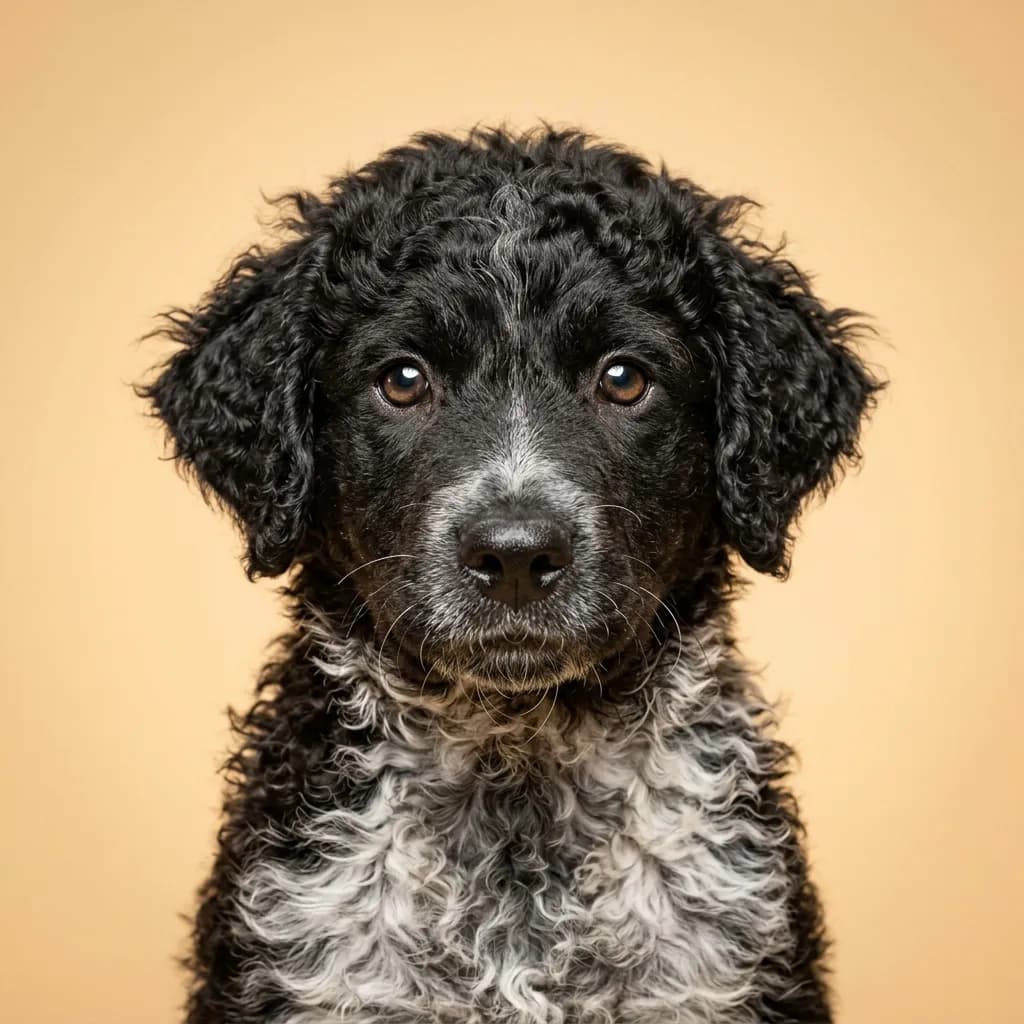
You don’t see many Tornjaks or Wetterhouns at your average dog park, so if you’re even considering both, you’re probably deep in the weeds of rare breeds—maybe you live on a farm, or you’ve got a soft spot for dogs that look like they stepped out of a medieval tapestry. People compare them because they’re both rare, both built for harsh climates, and both carry that rugged, independent energy that says I’ve got a job to do. But that’s where the similarities end. The Tornjak is a mountain dog at heart—big, thick-coated, and built to patrol remote pastures in Bosnia. He’s got presence. You’ll need space for him, ideally acres, and experience handling strong-willed livestock guardians. He’s affectionate with family but aloof with strangers, and his 4/5 shedding means you’ll be vacuuming constantly. He’s not for apartment life or hot summers. If you’re looking for a loyal, low-bark guardian who’ll bond deeply with your household, he’s a solid pick. The Wetterhoun? He’s a Dutch water hunter, wiry and dense-coated, bred to flush otters in Friesland’s swamps. He’s smaller, but don’t let that fool you—he’s intense. His energy and trainability scores are listed as 0/5, but that’s misleading. It’s not that he’s lazy or untrainable—he’s selectively motivated. He thrives with a job and consistent, patient training. He bonds fiercely, loves cold, wet weather, and needs an owner who’ll commit to his socialization. Skip this, and he can become suspicious or shy. Here’s the real talk: both breeds need experienced hands, but the Tornjak needs space and a purpose guarding, while the Wetterhoun needs engagement and direction. Pick the Tornjak if you want a stoic protector. Pick the Wetterhoun if you love the hunt—and don’t mind muddy paws in the house.
Trait-by-trait
Higher bar = more of that trait. Shedding, barking, drooling, grooming flipped for readability.Where they diverge
Choose the Tornjak if…
- Experienced large-breed owners
- Farm or rural settings
- Livestock guardian needs
- You value watchdog / protective — Tornjak scores noticeably higher.
Choose the Wetterhoun if…
- hunters
- active rural owners
- experienced sporting dog owners
- You value adaptability — Wetterhoun scores higher here.