Tosa vs Whippet
Side-by-side comparison across all 14 AKC trait ratings, with a clear verdict on which breed fits which kind of household.

Not sure which breed fits your life?
Answer five questions about your home, your schedule, and your tolerance for shedding. We’ll match you to your top three breeds from over 200.
Tosa vs Whippet
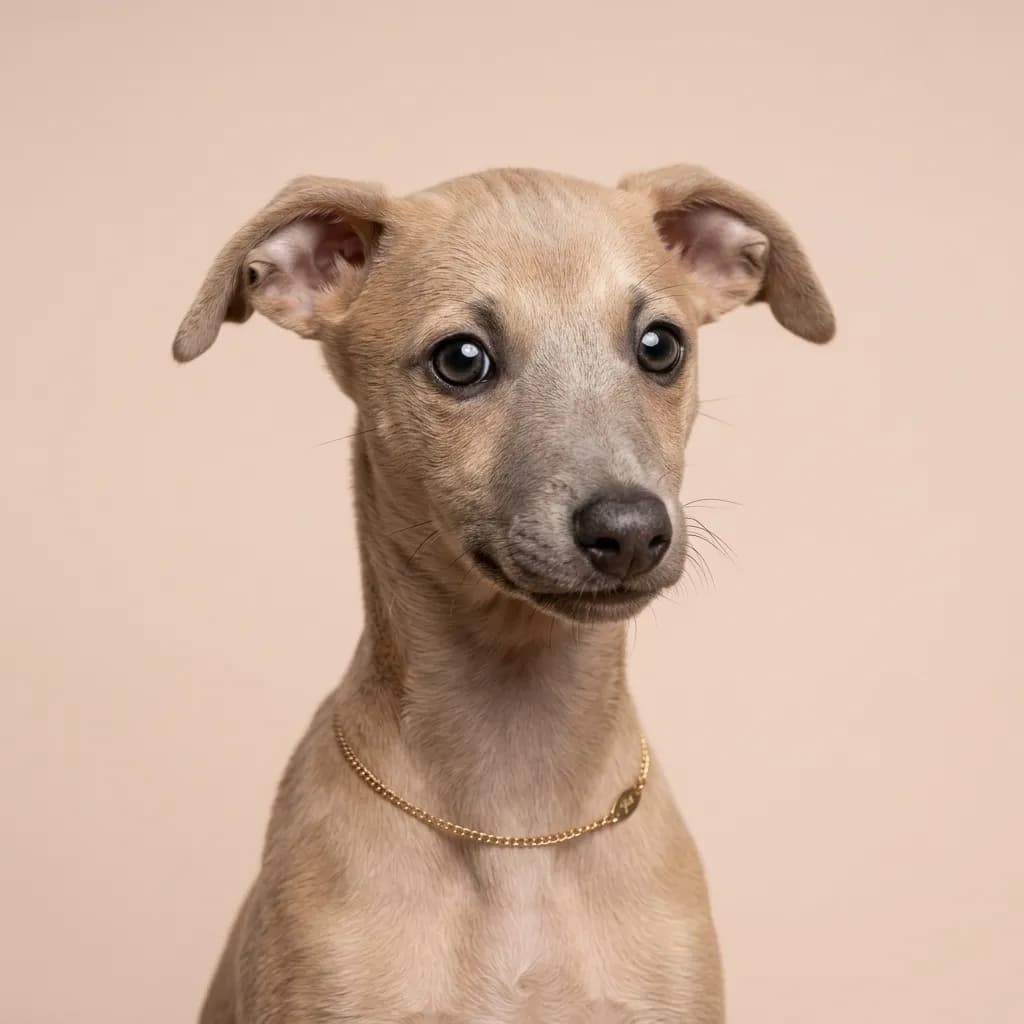
You probably wouldn’t think to compare a Tosa and a Whippet unless you’ve fallen down a dog breed rabbit hole, searching for something unusual—maybe a quiet, affectionate dog that doesn’t bark much and isn’t a common sight at the dog park. That’s where these two meet: low-shedding, relatively quiet, and deeply loyal in their own ways. But that’s where the similarity ends. Imagine your ideal dog. Is it a 180-pound silent guardian who takes up half your couch and needs a yard like a small farm? That’s the Tosa. Calm like a monk, but with the muscle of a gladiator. Bred for dog fighting in Japan, today’s Tosa is a gentle giant—if you know how to handle a dominant, powerful breed. They’re not for new owners. They need space, experience, and a secure setup. They’re affectionate, yes, but with the presence of a tank. Now shrink that image down to a 30-pound greyhound-lite, curled at your feet after a 20-minute sprint around the yard. The Whippet is that dog. Built for speed, raised to chase, and happiest when zooming across a field or snuggled under a blanket. They’re great with kids, quiet as a whisper, and fit surprisingly well in apartments—if you can give them their daily run. The real difference isn’t size or energy. It’s confidence. The Tosa carries an unshakable calm that can border on aloofness; the Whippet is sensitive, almost delicate, and will mirror your mood. One honest insight: neither makes a good guard dog, despite the Tosa’s size. The Whippet will bark at nothing; the Tosa might not bark at an intruder. Choose the Tosa if you want a monumental companion and have the expertise to match. Choose the Whippet if you want a velvety shadow who races the wind and sleeps like a kitten.
Trait-by-trait
Higher bar = more of that trait. Shedding, barking, drooling, grooming flipped for readability.Where they diverge
Choose the Tosa if…
- very experienced large-breed owners
- homes with secure property
- owners seeking a calm giant breed companion
- You value drooling level — Tosa scores noticeably higher.
Choose the Whippet if…
- Apartment living (if exercised)
- Families with older children
- Runners and joggers
- You value good with other dogs — Whippet scores higher here.